


Call Text Book a time
First home buyers · Worked example

The Cash You Need to Buy at $800,000

Not the deposit. The whole amount that has to leave your account, from the day you make an offer to the day you get the keys. At this particular price in New South Wales there is a reason the number is smaller than most people expect.

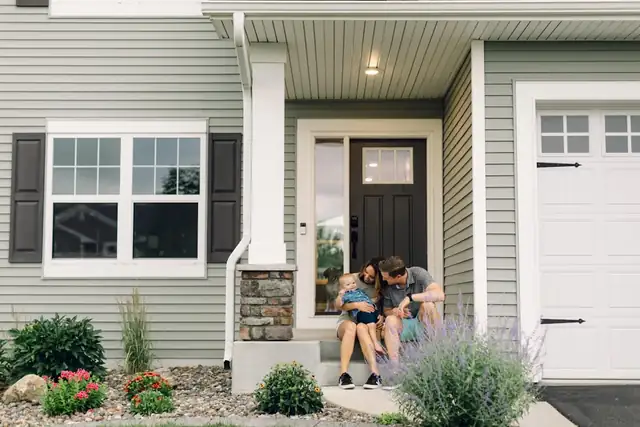
A first home buyer working through purchase costs at a kitchen table

What has to leave your account at $800,000

Figures below are indicative and rounded. Professional fees vary between firms, government fees change, and your own position may differ. Use them to plan, then check the specifics.

Deposit, 5%: $40,000

Possible for eligible buyers through the Australian Government deposit guarantee, which also removes lenders mortgage insurance.

Deposit, 10%: $80,000

Opens up more lenders. Mortgage insurance usually applies unless a professional waiver or a family guarantee removes it.

Deposit, 20%: $160,000

No mortgage insurance with any lender, and generally the widest choice of pricing.

Transfer duty: $0

For an eligible NSW first home buyer at $800,000 or below. This is the figure that changes most sharply as the price rises.

Conveyancing: roughly $1,500 to $2,500

Your conveyancer or solicitor, including searches. Quotes vary, and it is reasonable to ask for one up front.

Inspections: roughly $400 to $800

Building and pest for a house. For an apartment, a strata report instead, usually a few hundred dollars. Worth every cent in a state where building defects have made headlines.

Transfer and registration fees

Government fees paid at settlement. A few hundred dollars, set by NSW Land Registry Services and reviewed periodically.

Lender fees: $0 to around $800

Application, valuation and settlement fees. Some lenders charge none, which is one of the things worth comparing.

Rates adjustment at settlement

You reimburse the seller for council and water rates already paid beyond settlement day. Usually a few hundred dollars, calculated by your conveyancer.

If your price is not $800,000

Find out what you could realistically buy

The complete cash figure for your price, the deposit routes open to you, and what you could borrow against it. Free, no credit check.

Common questions about buying at $800,000

How much cash do I need to buy an $800,000 house in Sydney?

It depends almost entirely on the deposit route. On a 5 per cent deposit through an eligible government scheme, with no transfer duty payable at that price and no mortgage insurance, the cash needed is around $40,000 plus roughly three to five thousand dollars of conveyancing, inspection and government fees. On a 20 per cent deposit it is $160,000 plus the same costs. The costs beyond the deposit are similar either way.

Do first home buyers pay stamp duty at $800,000 in NSW?

Eligible first home buyers pay no transfer duty on a home up to and including $800,000 under the NSW First Home Buyers Assistance Scheme. Between $800,000 and $1 million a concession applies on a sliding scale, and above $1 million full duty is payable. Eligibility has its own conditions, including residency requirements and not having owned residential property before, and should be confirmed with Revenue NSW.

What costs do people forget?

Building and pest inspections or a strata report, the rates adjustment paid to the seller at settlement, government transfer and registration fees, and moving costs. Individually they are small; together they commonly add several thousand dollars. The other one people miss is the holding deposit due on exchange, which is not an extra cost but does have to be available weeks before settlement.

Can I use the 5% deposit scheme at this price?

The Sydney property price cap for the Australian Government deposit guarantee sits well above $800,000, so price is not usually the constraint at this level. Eligibility depends on other criteria, and the scheme is administered by Housing Australia. Where it applies, it removes lenders mortgage insurance as well as reducing the deposit, which is why it changes the cash figure so substantially.

Is the deposit paid all at once?

No. A holding deposit, commonly 10 per cent of the price, is paid on exchange of contracts, and the balance is paid at settlement. The holding deposit can often be negotiated to a smaller figure, or covered by a deposit bond, which matters if your funds are tied up until settlement. Your conveyancer negotiates this as part of the contract.

How much buffer should I keep after settlement?

Around three months of repayments is a reasonable target, and some lenders look for evidence of remaining funds as part of the assessment. Beyond the lender's view, arriving at settlement with nothing left is uncomfortable in a house that will inevitably need something in the first year. Building the buffer into the plan from the start is easier than finding it afterwards.

Does it cost more to buy an apartment or a house?

The purchase costs are broadly similar. An apartment needs a strata report rather than a building and pest inspection, usually a little cheaper, but brings ongoing strata levies that affect your borrowing power. Some lenders also apply size or postcode conditions to apartments. The upfront difference is small; the ongoing difference is worth understanding before you choose.

What if I am buying at $850,000 instead?

Above $800,000 the duty concession begins to taper, so duty is no longer zero but is still well below the full amount. It rises steadily to $1 million, where full duty applies. The extra purchase price also increases your deposit and your loan. Running both prices through the stamp duty calculator is the quickest way to see what the difference actually costs.

Know the real number before you start looking.

Twenty minutes covers the complete cash figure for your price, which deposit routes are open to you, and what you could borrow.