
Call Charles Book a meeting
Self‑employed lending

Links Property Finance · Self-employed mortgage broker, Sydney: Self-Employed Home Loans in Sydney

Every lender reads self-employed income differently: one year of returns or two, which add-backs count, how a company or trust is treated. Charles matches your figures to the lender that reads them best.

Reviewed by Charles Touma Updated 18 October 2026

$0broker fee on most loans
5.0from 32 Google reviews
70+lenders on our panel
Charles Touma, mortgage broker at Links Property Finance

Charles Touma Sydney mortgage brokerYou deal directly with Charles.

Book a free call

Self-employed? Which lenders read your income properly?

The lender whose policy fits your financials. Some lenders work from the most recent year, some accept one year of returns with two years of ABN registration, and each has its own list of add-backs for depreciation, one-off costs and super above the guarantee.

Read more

Full doc at standard rates is checked first; low doc on BAS or bank statements is the bridge for the first year or two in business, not the default.

Part of the employment and income home loans guide.

Recent Links clients

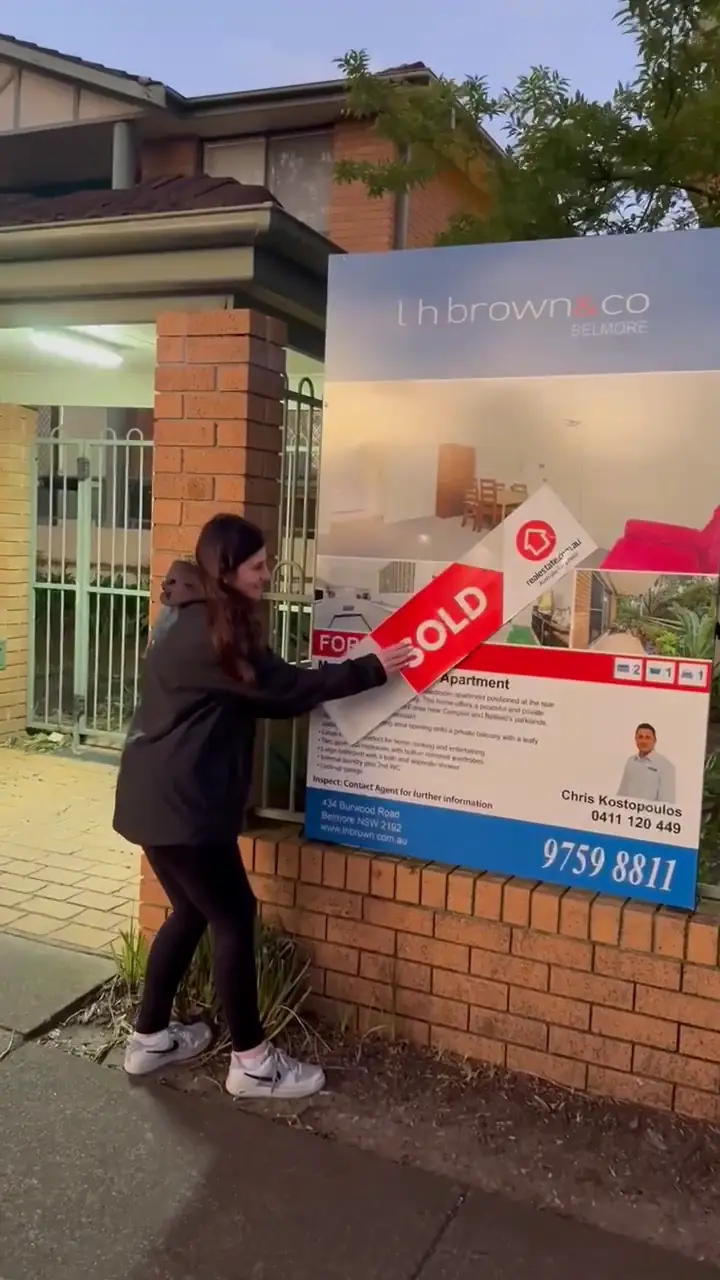
  • A Links Property Finance client in front of the sold sign at the first home she bought First home · Inner West
    Sold. Her first home. Deposit, scheme and lender, sorted.
  • A family in front of the sold sign at the home they bought together Family buy · Inner West
    The whole family turned up. A parents’ guarantee, done properly.
  • Next one

    The next sold sign could be yours.

    A quick call and you will know your next step.

    Book my free call

How lenders could read your self-employed income

Business profit
Paid to you
Common add-backs, latest year

Indicative only, not credit advice. Lenders differ on which add-backs they accept, how years are averaged, and how company and trust profits are treated; the assessable figure for your file is confirmed against actual lender policy in assessment.

Confirm your numbers.

Charles Touma, mortgage broker at Links Property Finance

Real outcomes for real borrowers.

★★★★★
I honestly couldn’t recommend Links Property Finance and Charles highly enough. After speaking with others who weren’t able to help me, Charles went above and beyond to understand my situation…
Evangelos Google review
★★★★★
Had a great experience with Charles. He made the home loan process straightforward, was always easy to communicate with, and really knew his stuff. Would definitely recommend Charles and the team!
Jacob Google review
★★★★★
Charles and the team recently assisted us with a refinance of our investment property. Recommend Charles and the team to all
Tony Google review

How lenders assess self-employed income

Lender choice

Some accept one year of financials, some add back depreciation. Choice decides.

Pathways

Two years full‑doc, one year, accountant declarations or BAS.

Directors too

Sole traders, contractors, company directors and tradies.

Three ways a lender can read self-employed income

Most self-employed borrowers are told low doc is the only option because the first lender they asked does nothing else. The same applies to newer ABN income such as rideshare and delivery driving.

Full doc, low doc or one-year financials: which file you are
Full docTwo or more years trading with tax returns lodged. Two years of personal and business tax returns and notices of assessment; sometimes BAS and financial statements. Standard rates, the same as a salaried borrower. The first question is whether a full doc lender will take your file as it stands, before accepting anything dearer.
Low docTrading under two years, or returns not yet lodged. Business activity statements, business bank statements or an accountant's declaration, depending on the lender. Usually higher, and a larger deposit is often required. A bridge for the first year or two in business, reviewed again once returns exist.
One-year financialsReturns lodged, but the latest year is well ahead of the one before. The most recent year's returns, often with year-to-date BAS. Close to standard with the right lender. Some lenders use the latest year alone instead of averaging two, which can change the borrowing figure substantially.

Lender policies on self-employed income differ on add-backs, averaging and the number of years required, and change over time. Which option fits is confirmed in assessment, not assumed.

Book my free call

How many years of financials do I need for a home loan?

Two years of tax returns and notices of assessment is the classic ask, but several lenders work from the most recent year and some accept one year of financials with two years of ABN registration.

Without lodged returns, low doc lenders read business activity statements, business bank statements or an accountant’s declaration, usually at a higher rate and with a larger deposit.


What do lenders add back to self-employed income?

Depreciation, one-off expenses, super contributions above the guarantee and interest on debts being refinanced can all be added back to assessable income, and each lender’s list is different. A rising year is averaged down by some lenders and taken at the latest figure by others.

Contractors on a day rate are annualised with minimal fuss by some and treated as a start-up by others.

A strip of local shops with apartments above

How should a self-employed application run?

  1. 1
    Read everything firstFinancials, BAS and the ATO position, before any lender is approached.
  2. 2
    Match the policyYears required, add-backs allowed and trend treatment, mapped to your actual numbers.
  3. 3
    Present deliberatelyThe strongest accurate reading, with explanations attached before questions arise.
  4. 4
    Lodge onceOne application designed to succeed, no wasted credit enquiries. Involve Charles before the accountant finalises the year: tax minimisation and borrowing power pull in opposite directions.

How do lenders treat sole traders, company directors, contractors and trusts?

  • Sole tradersNet profit from your personal tax returns, plus the add-backs the lender allows. Two years is standard; some lenders work from the latest year.
  • Company directorsYour salary and dividends plus your share of company profit, read from the company returns and financials. Retained profit is counted by some lenders and ignored by others.
  • ContractorsA day rate or contract income is annualised, often at 46 to 48 weeks a year. Contractors paid through an agency on PAYG are treated as employees by some lenders.

Why do self-employed applications get declined?

Most self-employed declines come down to five things: a falling year, an unaccepted tax debt, a young ABN or GST registration, unsupported add-backs, or the wrong lender. Each is visible before anything is lodged, which is why the financials are read first.

A couple with coffee on a Sydney street

How two lenders can read the same income differently

Illustrative only, not a lender’s published policy. A sole trader shows taxable income of $95,000 last year and $120,000 this year, with $8,000 of depreciation each year.

  • Lender AAverages the two years and adds back depreciation: $115,500 of assessable income.
  • Lender BUses the latest year because the increase is under its 20 per cent limit, and adds back depreciation: $128,000.
  • Lender CTakes the lower year with no add-backs: $95,000.

When does a lender ask for an accountant’s letter?

Mostly on low doc and alt doc loans, where an accountant’s declaration of income stands in for full tax returns, and when the latest return has not been lodged yet.

Some lenders also want a letter confirming add-backs, or that a large expense was a one-off.

The lender usually supplies its own form, and the accountant generally has to be a registered tax agent or a member of a professional body, independent of you. See the accountant letter template and low doc home loans.

Can you refinance when you are self-employed?

Yes, and the same income rules apply as for a purchase: the new lender reads your latest returns, so it pays to refinance after a strong year has been lodged, not before. Some lenders also refinance an ATO debt that is on a payment arrangement.

A low doc loan taken while your returns were behind can often move to a full doc loan, usually at a lower rate, once two years of returns are lodged.

If your income has dipped, a refinance can lower the amount you are able to borrow, so weigh the saving against the borrowing you would give up. How refinancing works.

Can I get a home loan with one year of self-employed income?

Yes, with some lenders: they accept one full year of financials, often with a previous salaried role in the same field. Others treat the first year as a low doc application, so lender choice decides the answer.

Frequently asked questions

Can I get a home loan with only one year of financials?

Yes, with the right lender. Some accept one full year of returns when the ABN has been registered for two years or you were salaried in the same field before; others treat it as low doc on BAS and bank statements. The file is matched to the lender before it is lodged.

What is a low doc or alt doc loan?

A low doc or alt doc loan is assessed on business activity statements, business bank statements or an accountant’s declaration instead of lodged tax returns. Rates are usually higher and a larger deposit is common, so it bridges the first year or two in business.

Can self-employed buyers use the first home buyer schemes?

Yes. The 5% Deposit Scheme and the NSW stamp duty exemption look at the buyer and the price, not the income type. The lender still assesses your financials in its usual way, so the scheme application goes to a participating lender whose self-employed policy fits.

Does my ABN need to be registered for two years?

Most lenders want two years of ABN registration and GST registration where turnover requires it. Some accept twelve months with strong trading figures. A newer ABN usually means a low doc or specialist lender until the two-year mark, then a refinance to standard rates.

Will an ATO debt or payment plan stop my loan?

Not always. Some lenders decline with any tax debt; others accept a payment plan that is up to date, shown on the integrated client account statement. Clearing or formalising the debt before the application widens the lender list, so the ATO position is read first.

Which lender is best for self-employed borrowers?

There is no single one; it depends on the documents you have. With two years of tax returns, most mainstream lenders, including ANZ and Westpac, are open to you.

With one year of returns, a recent ABN or an accountant’s declaration, the choice narrows to lenders with one-year or alt doc policies, Resimac among them. Matching the lender to the paperwork is most of the job.

Get advice on your self-employed home loan

Thirty minutes is usually enough to know the right path, and what it will cost.

Prefer a callback?

Charles Touma, mortgage broker at Links Property FinanceCharles calls back within one business day. No documents needed yet.

A Links Property Finance client in front of the sold sign at the first home she bought
Charles Touma, mortgage broker at Links Property Finance
Reviewed by Charles Touma Director & Mortgage Broker · MFAA member · Credit Representative 579003 under ACL 389328 About Charles · MFAA register · ASIC register · Complaints processEvery page is reviewed by Charles before it is published and checked against current lender policy and the official scheme pages linked where figures appear.