
Call Charles Book a meeting

Links Property Finance · Free calculator from a Sydney mortgage broker: First Home Buyer Deposit Calculator

See the deposit a first home needs at 5%, 10% or 20%, then test buying now against saving longer.

Reviewed by Charles Touma Updated 18 October 2026

$0broker fee on most loans
5.0from 32 Google reviews
70+lenders on our panel
Charles Touma, mortgage broker at Links Property Finance

Charles Touma Sydney mortgage brokerYou deal directly with Charles.

Book a free call

Deposit strategy slider

Deposit strategy slider

$800,000
$85,000
10%
  • Deposit$80,000
  • Loan$720,000
  • Repayments$4,317/mo
  • Savings remaining$1,500

That leaves a thin buffer. Putting every dollar into the deposit is not always the best strategy. Our guide on how to save a house deposit covers the faster routes.

Confirm your numbers.

How much deposit do you need for a home loan?

At least 5 per cent of the price plus buying costs. With the 5% Deposit Scheme, eligible first home buyers pay no mortgage insurance at 5 per cent; outside it, anything under 20 per cent usually means mortgage insurance.

Read more

In NSW, eligible first home buyers pay no stamp duty to $800,000, which cuts the cash needed.

Part of the first home buyer loans guide.

A house key on a green key ring

Recent Links clients, including first home buyers

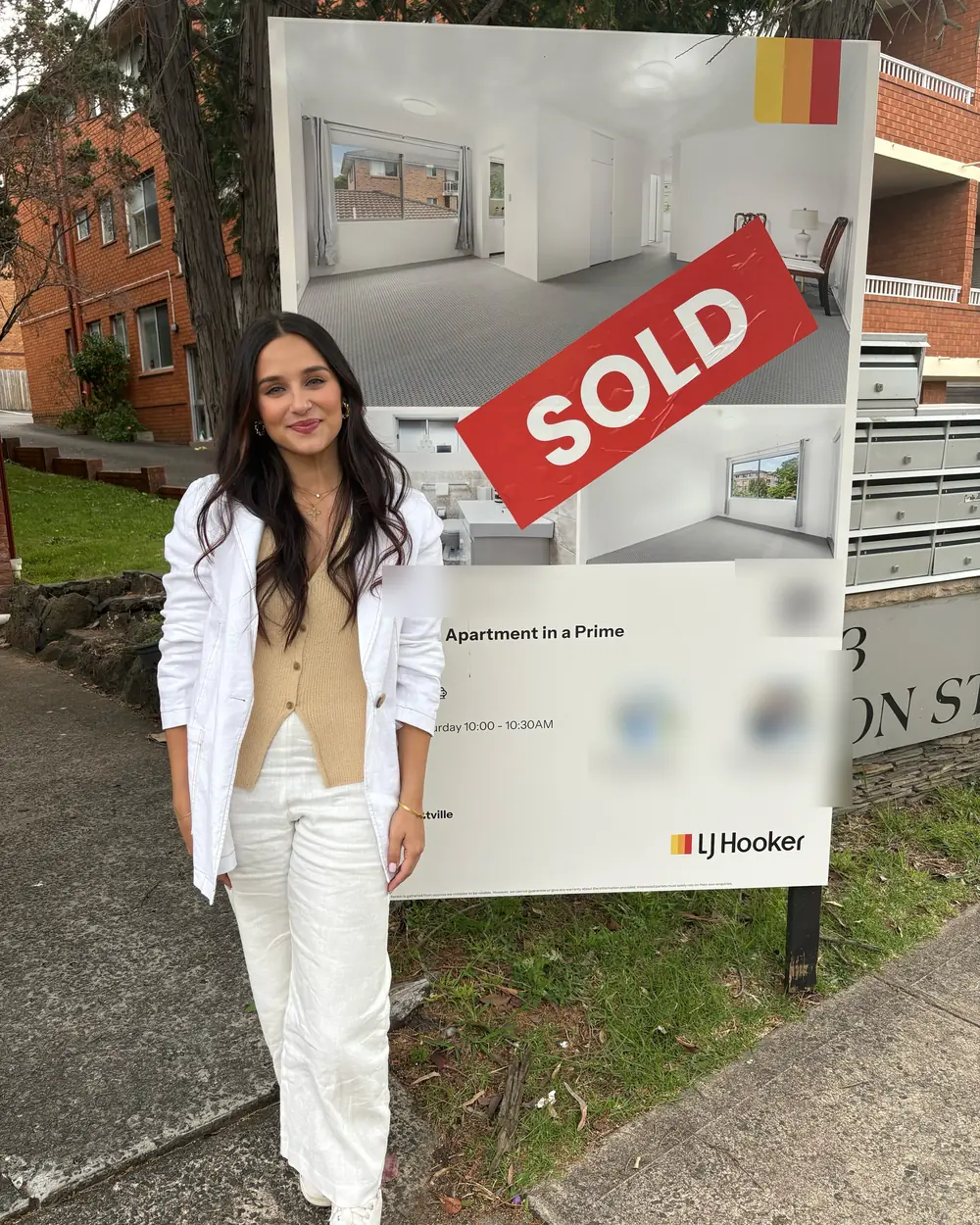
  • A Links Property Finance client in front of the sold sign at the first home she bought First home · Inner West
    Sold. Her first home. Deposit, scheme and lender, sorted.
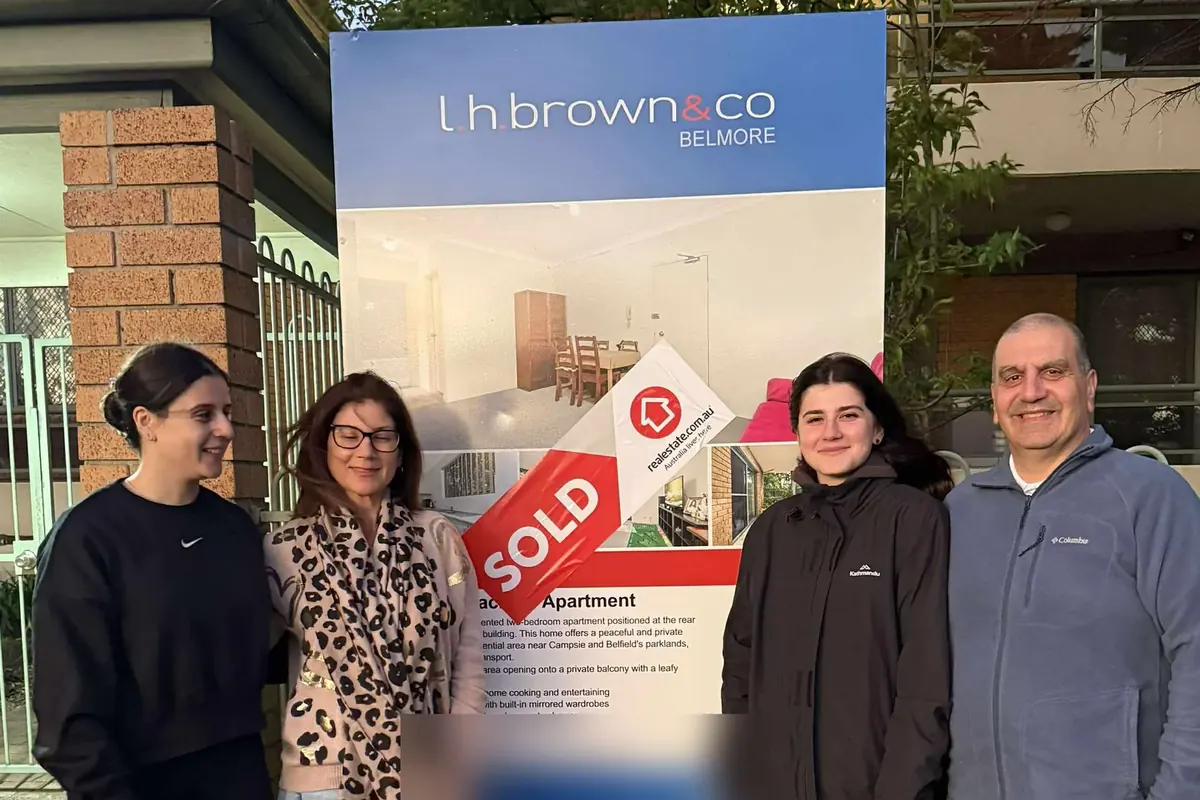
  • Three Links Property Finance clients in front of the agent’s board at the home they bought Family buy · South West Sydney
    Bought, and all smiles. A family purchase in Sydney’s south-west.
  • Next one

    The next sold sign could be yours.

    A quick call and you will know your next step.

    Book my free call
Charles Touma, mortgage broker at Links Property Finance

Real outcomes for real borrowers.

★★★★★
Charles Touma from Links Property Finance was a great help with buying my first home. I had plenty of questions and he took the time to explain things clearly without making me feel rushed. He kept me updated throughout and made the process much less stressful. Really appreciated his patience and would happily recommend him to other first home buyers.
Catherine Google review
★★★★★
I found Charles and Links Property Finance very prompt and professional to deal with. Made it all so easy.
Marg Google review
★★★★★
Charles looked after us really well and his knowledge gave us the confidence to purchase our property. He wasn’t pushy and always ensured we felt comfortable with the repayments.
Sandra Google review

Should I buy now or keep saving?

$800,000
$70,000
$1,500
12 months

Buy now

  • Deposit$66,500
  • Loan$733,500
  • Repayments$4,398/mo
  • Savings leftNil

Wait 12 months

  • Extra saved+$18,000
  • Deposit$84,500
  • Loan$715,500
  • Repayments$4,290/mo

Waiting saves $108/month in repayments on these assumptions, but you’d also pay rent meanwhile, and prices can move. That trade‑off is exactly what we work through together.

Assumes the same property price and rate in both cases, prices, rates and your circumstances can move either way. General information only, not advice.

Worked example at $800,000
5% deposit$40,000
10% deposit$80,000
20% deposit$160,000
Duty for an eligible first home buyer$0 under the exemption
LMI avoided under the guarantee schemeroughly $22,000 to $25,000

Insurance premiums vary by lender, loan size and deposit, so treat the saving as indicative. Scheme eligibility is confirmed in an assessment, never assumed.

The deposit is not the only cash you need

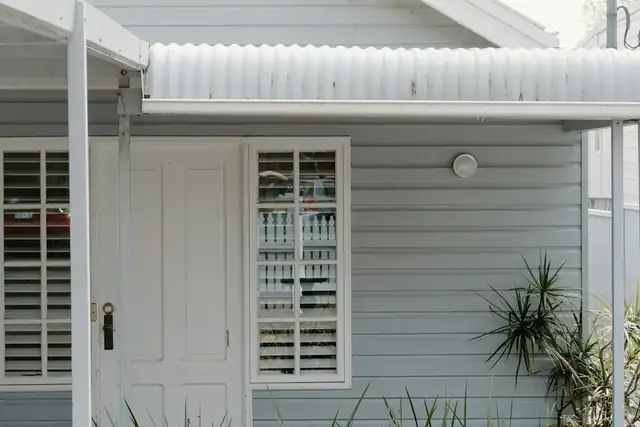
A family on the porch of their home
  • The deposit is the largest number but never the whole number.
  • Transfer duty, legal and conveyancing fees, building and pest inspections, lender fees and moving costs all land in the same few weeks.
  • First home buyers who budget only for the deposit are the ones who find themselves short at exchange.
  • Run the full cost of buying alongside this to see the complete figure.

Where do the percentages matter?

A family together in their backyard
  • Twenty per cent is the line where lenders mortgage insurance normally stops applying.
  • Below it, the insurance premium is added to your loan and rises steeply as the deposit shrinks.
  • The exception is the government guarantee scheme, where eligible first home buyers can purchase with five per cent and no insurance at all, which is why the five per cent column is worth taking seriously rather than dismissing.

Common questions about deposits

Can I buy with a 5% deposit?

Yes, if you are an eligible first home buyer using the 5% Deposit Scheme, with no lenders mortgage insurance. Price caps and eligibility criteria apply, and the deposit still has to meet the lender’s rules on where it came from.

Outside the scheme, five per cent is possible at some lenders but insurance applies and the premium is substantial.

Does the deposit have to be saved by me?

Not necessarily, but at low deposit levels many lenders apply genuine savings rules, which look for money accumulated over time rather than a lump sum that appeared last week.

Gifts, inheritances and asset sales are all accepted with the right evidence and sometimes a holding period. The genuine savings guide explains how the rules differ.

Is a bigger deposit always better?

Mostly yes: it lowers the loan, the insurance and the interest. But saving for longer costs rent and time in a market that does not pause.

The fair comparison is what a larger deposit saves against what another year of saving costs, which is arithmetic worth doing rather than assuming.

What is lenders mortgage insurance for?

It protects the lender, not you, if the loan is not repaid and the property sells for less than the debt. You pay the premium, usually added to the loan.

It is not a waste of money, it is what allows people to buy years earlier than a twenty per cent deposit would permit, but it should be a decision rather than a surprise.

Do I need extra savings on top of the deposit?

Yes, and lenders like to see it. Beyond duty and fees, a buffer after settlement matters both to your own resilience and, at some lenders, to the assessment itself. Arriving at settlement with nothing left is a position worth avoiding.

Check the estimate with a broker

Bring your numbers to a 30‑minute conversation and leave with a borrowing range a lender could stand behind.

Prefer a callback?

Charles Touma, mortgage broker at Links Property FinanceCharles calls back within one business day. No documents needed yet.

A family in front of the sold sign at the home they bought together
Charles Touma, mortgage broker at Links Property Finance
Reviewed by Charles Touma Director & Mortgage Broker · MFAA member · Credit Representative 579003 under ACL 389328 About Charles · MFAA register · ASIC register · Complaints processEvery page is reviewed by Charles before it is published and checked against current lender policy and the official scheme pages linked where figures appear.

Estimates only, not credit or financial advice. Calculators use general assumptions; lender policy, rates and your own position are confirmed in a full assessment.

Official sources for the figures on this page: Housing Australia, Australian Government 5% Deposit Scheme · Revenue NSW, First Home Buyers Assistance Scheme. Scheme rules change; the official pages are the final word. Checked against these sources on 12 October 2026.