

Call Charles Book a meeting
Investment loans

Links Property Finance · Investment property mortgage broker, Sydney: Investment Property Loans in Sydney

Borrow more by matching the lender that counts your rent properly, and structure the loan so the next purchase stays open. Charles models both before you buy.

Reviewed by Charles Touma Updated 18 October 2026

$0broker fee on most loans
5.0from 32 Google reviews
70+lenders on our panel
Charles Touma, mortgage broker at Links Property Finance

Charles Touma Sydney mortgage brokerYou deal directly with Charles.

Book a free call

Your next investment property: what should the loan structure look like?

Usually a standalone loan secured only by the new property, with the deposit released from your home as a separate split, so the two debts stay separate and the deductible portion stays clean. Charles tests capacity across the panel before you commit to a purchase.

Read more

Lenders count about 80 per cent of the rent and price investment loans above owner-occupier rates, so the lender match decides how much you can borrow.

An aerial view of a Sydney suburb

Recent Links clients

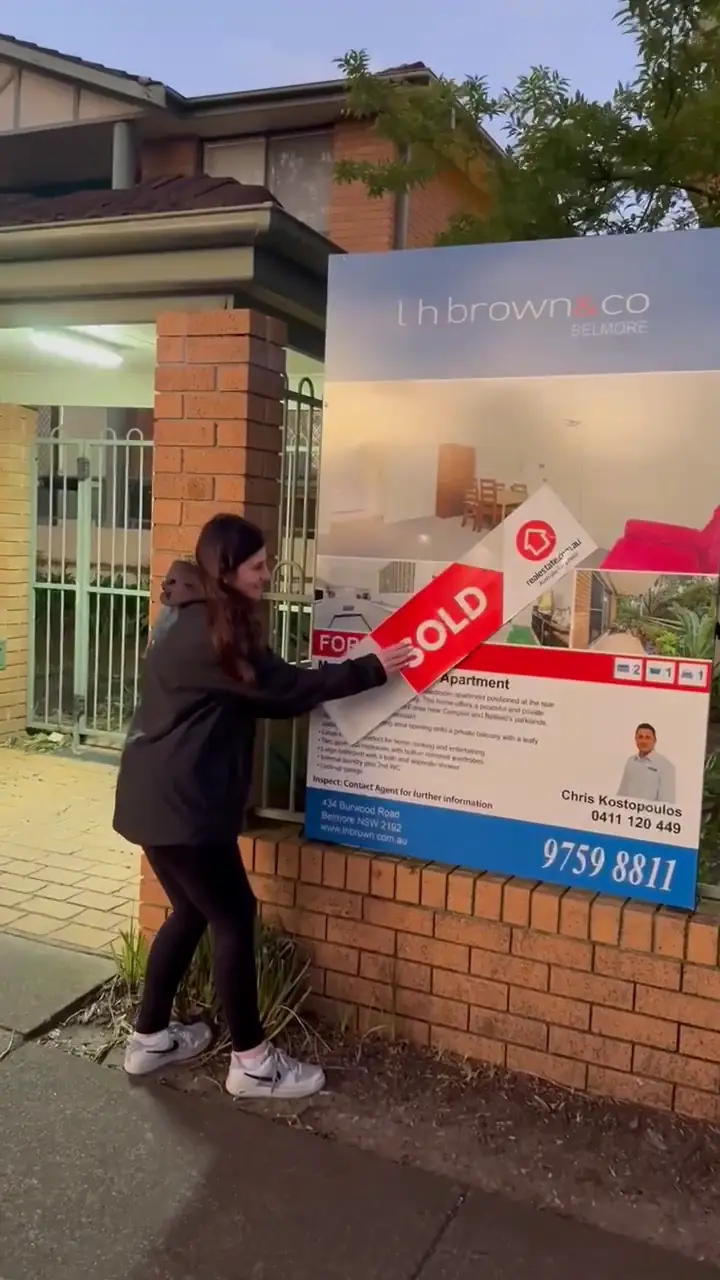
  • A family in front of the sold sign at the home they bought together Family buy · Inner West
    The whole family turned up. A parents’ guarantee, done properly.
  • Two Links Property Finance clients standing inside the timber frame of their new home Building · Sydney
    Their new home, at frame stage. Walls next. The frame is up.
  • Next one

    Your keys could be next.

    One short call tells you what you can borrow and what to do first.

    Book my free call

How much equity could you use?

Home equity calculator

For upgraders and investors, how much of your home could work as a deposit.

$1,100,000
$600,000
  • Total equity$500,000
  • Usable equity (to 80% LVR)$280,000

That usable equity could work as a deposit on an investment property or renovation, structured so your properties aren’t tied together unnecessarily.

Usable equity assumes lending to 80% of your home’s value against your current loan. Lender policy and serviceability decide the real figure.


Confirm your numbers.

Charles Touma, mortgage broker at Links Property Finance

Real outcomes for real borrowers.

★★★★★
Charles and the team recently assisted us with a refinance of our investment property. Recommend Charles and the team to all
Tony Google review
★★★★★
A huge thank you to Charlie for his exceptional support and expertise throughout the process of securing finance for my first home.
Julian Google review
★★★★★
I have had a number of dealings with Charles from Links Property Finance. He is very knowledgeable, thorough, and detailed with his advice. Importantly, he is very approachable and easy to deal with. His advice has been beneficial to myself and my acquaintances. I highly recommend him.
Joseph Google review

Interest-only vs principal and interest, in numbers

The two decisions that shape an investment loan, with the figures side by side.

Interest-only or principal and interest on a $700,000 investment loan
Repayment on $700,000 at 6.10%$3,558 a month. $4,242 a month.
Balance after five years$700,000. About $652,180.
Interest, which is generally the deductible partHigher, because the balance does not fall. Lower each year as the balance reduces.
Who it tends to suitInvestors paying down non-deductible debt on their own home first. Investors building equity, or whose lender limits interest-only terms.

Rate of 6.10% is the example rate used by the calculator on this page, not an advertised rate. Repayments rounded to the dollar. Interest-only periods are usually one to five years, after which repayments step up. Tax treatment depends on your circumstances and is a question for your accountant.

How do lenders assess an investment loan?

Rent is counted at about 80 per cent to allow for vacancy and costs, existing investment debts are tested at buffered rates, and negative gearing benefits are treated cautiously at assessment even where they are real at tax time.

Investment rates sit above owner-occupier rates, and interest-only appetite varies widely between lenders.

Why do investment loan applications fail?

Unused credit card limits and an old car loan consuming capacity; rent estimated optimistically and shaded back by the valuer; the home loan cross-collateralised with the new purchase when two standalone loans would have worked; or buying before the lending was tested.

Each one is avoidable before the finance clause runs out.

A white apartment block in the sun

The sequence that works

  1. 1
    Equity confirmedThe equity calculator gives the shape; a lender valuation gives the number.
  2. 2
    Capacity testedAcross lenders, at real rental shading and buffered rates.
  3. 3
    Structure chosenStandalone loans, deductible and private debt kept separate, offset placed where it works hardest.
  4. 4
    Then the purchaseWith the finance already proven, not discovered inside a finance clause.

Buying your first investment property: an illustrative example

Illustrative only. Your home is worth $1.2 million with $600,000 owing, so usable equity at 80 per cent is $360,000. Rent of $600 a week is counted at about 80 per cent, or $480, in the lender’s assessment.

A separate $170,000 split released from the home covers a 20 per cent deposit and costs on a $650,000 unit, and a standalone $520,000 investment loan secured only by the unit funds the rest. Nothing is cross-collateralised, so either property can be sold or refinanced alone.

Borrowing for a second or third investment property

Every existing loan is tested again at a buffered rate, rent across the portfolio is shaded, and some lenders cap how much they will lend to one borrower or how many properties they count. Spreading loans across lenders keeps the next purchase open.

The usual sequence is to confirm equity in what you own, release it as its own split, then place the next standalone loan with the lender whose policy reads your rent and debts most generously.

Official sources for the tax rules on this page: ATO, reforming negative gearing and capital gains tax. Rules change; the official pages are the final word. Checked against these sources on 14 October 2026.

Do lenders count rental income when I apply?

Yes. Lenders usually count 70 to 80 per cent of the expected rent, taken from a rental appraisal or the lease, to allow for vacancy and costs. Negative gearing benefits are sometimes added back. The shaded rent plus your own income sets the borrowing figure.

Should an investment loan be interest-only?

Often, but not always: interest-only keeps repayments lower and the deductible debt intact, which suits many investors who also hold a non-deductible home loan. Rates are usually higher and the period is limited, often five years, so the right structure depends on your tax position and cash flow.

What is the difference between standalone and cross-collateralised loans?

Standalone means each property secures only its own loan, so they can sit with different lenders and be sold separately. Cross-collateralised means one lender holds both properties as security for the combined debt. Most investors are better served by standalone structures.

Frequently asked questions

Can I use my home’s equity as the deposit for an investment property?

Usually, yes. Usable equity is about 80 per cent of your home’s value minus the loan you still owe, released as a separate split rather than cross-collateralising both properties. The equity calculator shows the figure; a lender valuation sets it.

What is negative gearing?

A property is negatively geared when the rent is less than the deductible costs of holding it, including loan interest.

In general terms the ATO treats that loss as claimable against other income; from 1 July 2027 that is limited to new builds and properties already held on 12 May 2026. How it applies to you is a question for your accountant. Lenders still assess the loan on your income.

Can I buy an investment property with a 10 per cent deposit?

Yes, with lenders mortgage insurance on the lending above 80 per cent, or with equity from your home making up the difference. On an investment loan the premium is usually a deductible borrowing cost spread over five years; confirm that treatment with your accountant.

Will my first home count as an investment if I move out?

Yes, once it is rented. Tell the lender, because many reprice the loan to investment rates, and ask your accountant about the tax change. A refinance at the new valuation can also release equity for the next purchase, as one of the cases above shows.

Can I buy an investment property through a trust or company?

Yes, with a narrower lender panel and extra documents: the trust deed or company constitution, director guarantees and the entity’s financials. Rates and maximum loan sizes differ from personal lending, so the structure is settled with your accountant before pre-approval.

More investor questions, answered in one place: investment loan FAQ.

Get advice on your investment loan

Thirty minutes is usually enough to know the right path, and what it will cost.

Prefer a callback?

Charles Touma, mortgage broker at Links Property FinanceCharles calls back within one business day. No documents needed yet.

A Sydney apartment building of the kind first home buyers often consider

Real investment files: what was done

Three recorded Links files. Identities removed, figures rounded as recorded.

  • A Wiley Park purchase up to $500,000 with a shared sibling loanLenders compared on how they treated the shared debt; Westpac selected with principal-and-interest over 30 years. Read the case.
  • An Ashfield investor preparing the next depositEquity release of about $80,000 in a separate split with five years interest-only, the other loan left unchanged. Read the case.
  • A first home kept as an investmentRefinanced on a $720,000 valuation with around $40,000 released. Read the case.
A strip of local shops with apartments above
Charles Touma, mortgage broker at Links Property Finance
Reviewed by Charles Touma Director & Mortgage Broker · MFAA member · Credit Representative 579003 under ACL 389328 About Charles · MFAA register · ASIC register · Complaints processEvery page is reviewed by Charles before it is published and checked against current lender policy and the official scheme pages linked where figures appear.

General information only, not credit or financial advice. Lender policies and government scheme criteria differ and change over time. All lending is subject to individual assessment and approval.