
Modular and Prefab Home Loans: How Factory-Built Homes Are Financed
Modular home loans: factory-built homes clash with how construction loans pay builders. How lenders handle prefab homes, deposits and approvals.
 Charles Touma
4 min read
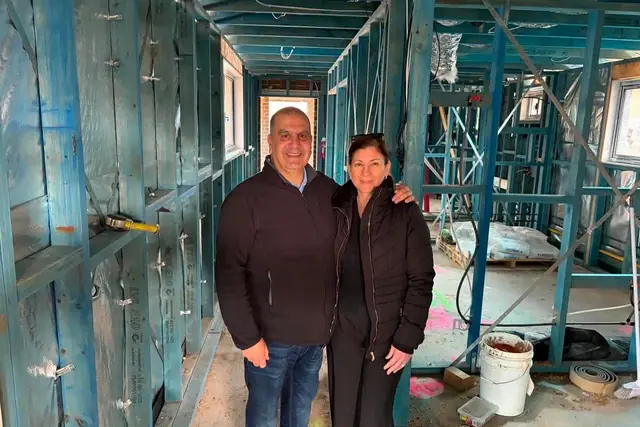
Modular and prefab homes can be financed, but the usual construction loan does not fit neatly, because most of the work happens in a factory while lenders pay progress payments as work is done on your land. Many lenders only lend once it is installed, so you may need to fund the factory stages yourself, use equity or find a lender that pays before delivery.
| Stage | Typical lending position |
|---|---|
| Land purchase | Land loan or existing land |
| Deposit and factory build | Often funded by you or equity; a few lenders now fund it |
| Delivery and installation | Progress payment once on site |
| Completion | Final payment, loan converts to an ordinary home loan |
Why don’t standard construction loans fit?
A construction loan releases money in stages, such as slab, frame, lock-up and fixing, after a valuer confirms the work is done on site. A modular manufacturer often wants large payments while the home is in the factory, before anything is on your land. Until then the lender has nothing new on its security to value, so many lenders will not pay.
How do buyers fund the factory stages?
- Savings for the deposit and early factory payments.
- Equity in an existing home, through a top-up or a separate split; see using equity.
- A lender that funds pre-delivery: at least one major bank has started lending on prefab homes before delivery for approved manufacturers, and more lenders are reviewing their policies.
- Negotiating the payment schedule so more is paid on delivery and installation.
What protections should you insist on?
In NSW, most residential building work over $20,000 must have Home Building Compensation Fund cover before work starts or before any deposit is paid. Check how your manufacturer and installer arrange it, and what is covered if the business fails while your home is in the factory. The article on what happens if your builder collapses explains the cover.
What do lenders and councils need?
- Land you own or are buying, zoned for the dwelling.
- Council approval or a complying development certificate.
- A fixed-price contract covering manufacture, transport and installation.
- Footings, connections and site works costed in the budget.
- A valuation based on the finished home on your land.
Is a kit home the same?
No. A kit home is a set of materials you or a builder assemble on site, so it can fit a normal construction loan if a licensed builder builds it. If you build it yourself, it becomes an owner-builder project, which few lenders fund; see owner builder loans.
A worked example
A couple own a block in Western Sydney and choose a modular home from a factory that wants 40% before delivery. Their lender only pays once the home is on site. They use a split against their current apartment’s equity for the factory payments, then the construction loan pays the delivery and completion stages. When the home is finished, they refinance the split into the main loan.
Questions people ask
Can you get a home loan for a modular home?
Yes, once it is permanently installed on land you own. Funding the factory stages is the harder part.
Do banks lend on prefab homes?
More are starting to, including at least one major bank for approved manufacturers before delivery. Many still lend only after installation.
Is a prefab home cheaper to finance?
The rate is usually similar once complete. The cost difference is in how the build stages are funded.
Is it hard to get a loan for a modular home?
It is harder than for a home built on site, mainly because of how money is paid during the build. A finished modular home fixed to your land and approved as a dwelling is valued and financed much like any other house.
Charles Touma matches your manufacturer’s payment schedule with a lender that can fund it, before you sign the build contract. A free 30-minute call covers it. General information only, not credit advice; lender policies change and every loan is subject to the lender’s assessment.
Sources: icare, Home Building Compensation Fund; NSW Government, inspecting a property, checked 18 October 2026.
General information only, not credit, legal or tax advice. Your situation is assessed properly before any recommendation. Government scheme details change; figures are current at the time of writing.
Talk it through with Charles
A free 30-minute call: your borrowing power, deposit options and the next step.