

Mortgage Broker Ashfield
Ashfield's housing is old, and age is the thing lenders react to. Red-brick walk-up blocks, Federation houses and the occasional company title building all raise questions a newer suburb never asks. Some of those questions have a one-word answer from a lender: no. Knowing which lender to ask is the difference.

Helping buyers, owners and investors in Ashfield
Links Property Finance is a Sydney mortgage broker working across the Inner West. There is no Ashfield office. What there is, is a broker who checks the property against lender policy before you're committed, which in a suburb of older buildings is worth more than a local address.
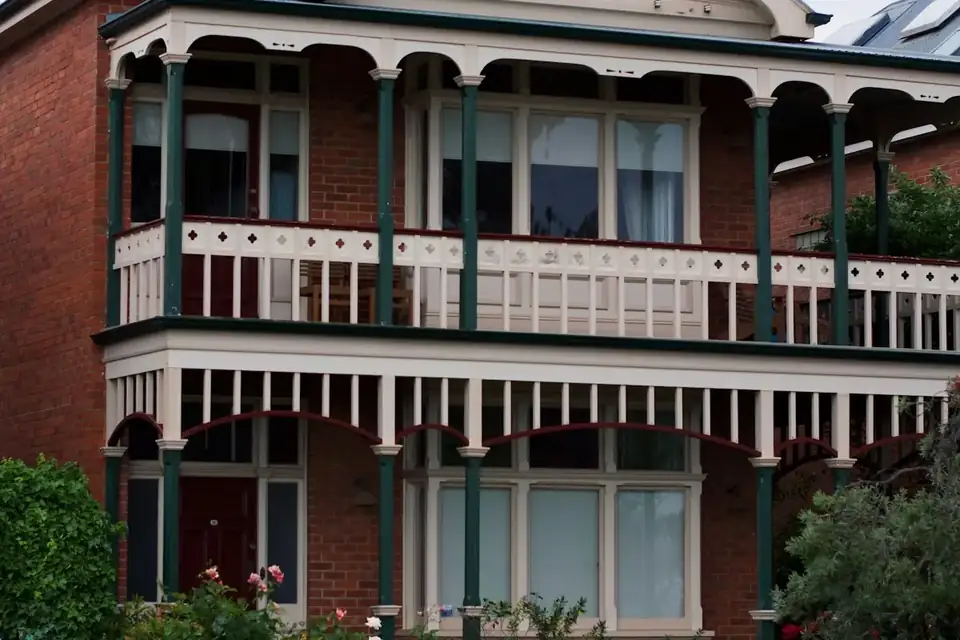
Ashfield mixes older apartment blocks, many of them small walk-ups from the middle of last century, with Federation-era houses and semis. Both ends of that range carry lending quirks that don't come up when you're buying something built in the last decade.
Old buildings, modern credit policy
A lender's security is the property. When that property is a 1960s block with no lift, a thin sinking fund and a history of levies, the lender's appetite changes, and it changes differently from one lender to the next.
None of this makes an older Ashfield apartment a bad buy. Plenty of them are excellent buys, precisely because other buyers hit finance trouble and walked away. It does mean the finance needs sorting before the offer, not after.
The company title question
This one catches people out, and it is more common in older Inner West blocks than most buyers expect.
In a company title building you don't own the apartment. You own shares in a company that owns the building, and those shares give you the right to occupy a particular unit. It predates strata title, and a number of older blocks were never converted.
For lenders this is a materially different security. Many will not lend on company title at all. Those that do commonly require a much larger deposit, sometimes 25 to 50 per cent, and may price the loan differently. The company's own rules can also restrict who you sell to or whether you can rent the property out.
The practical consequence is that company title apartments often sell for less than comparable strata units, and that discount is real rather than a bargain nobody noticed. It reflects a smaller pool of buyers who can get finance.
If a listing is company title it should be disclosed, but it is worth asking directly. If the answer is yes and you still want it, the finance conversation needs to happen before you make an offer, not after. There are lenders who will look at it, and the terms are specific.
Older strata: what to check
An older building needs a healthy fund for roof, plumbing and common area work. A thin one usually means special levies are coming.
Levies already raised, or foreshadowed in committee minutes, are a cost you inherit. The strata report shows both.
Water ingress, concrete cancer and unresolved disputes affect what a valuer puts on the property.
Older one-bedders can be small. Many lenders want at least 50 square metres of internal living area for a high loan-to-value ratio loan.
Generally fine with lenders, and often better than high-density stock, which some lenders restrict by postcode.
The owners corporation must hold adequate cover. Lenders check it exists before settlement.
Federation houses and semis
The house side of Ashfield brings its own issues. Older homes are more likely to carry additions built without council approval, and a valuer will note them. Depending on the lender, the property may be valued as though the addition isn't there, or the work may need to be rectified before settlement.
Structural matters, rising damp, restumping, old wiring, don't usually stop a loan on their own, but they can affect the valuation, and they are the sort of thing a building inspection should find before you exchange rather than after. If you're buying to renovate, a construction loan releasing funds in stages against a builder's contract is usually a better structure than borrowing extra up front.
First home buyers in Ashfield
Older apartments are often where a first home buyer's budget actually reaches, and the schemes stack up well at those prices. Eligible NSW first home buyers pay no transfer duty up to $800,000, with a concession to $1 million. The Australian Government 5% Deposit Scheme has a Sydney price cap of $1.5 million, no income caps and unlimited places.
The catch is that scheme eligibility and lender policy are two separate hurdles. You can qualify for the scheme and still have a lender decline the specific building. Checking both together is the sensible order. Start with the first home buyer guide.
Refinancing in Ashfield
If you bought an older unit with a small deposit, your loan-to-value ratio has probably improved through repayments alone. Below 80 per cent, sharper pricing generally opens up. Worth a review when a fixed rate ends, when your rate has drifted above what new customers get, or when you want an offset account. A loan health check takes about twenty minutes and sometimes concludes that staying put and asking your lender to reprice is the right answer.
Investing in older stock
Older apartments can carry attractive yields, partly because the purchase price reflects the maintenance the building will need. Lenders typically count only part of the rental income, commonly around 80 per cent, and investment rates generally sit above owner-occupier rates. Depreciation on an older building is more limited than on new stock, which is a question for your accountant rather than your broker. How investment lending is assessed.
Useful tools
Borrowing power
What a lender might let you borrow, from your income.
OpenLVR and insurance cost
Your loan-to-value ratio, and what a small deposit adds.
OpenNSW stamp duty
First home buyer exemption and concession, at any price.
OpenCan I afford this property?
Asking price in, full cash requirement out.
OpenOffset savings
What an offset balance saves you in interest.
OpenDeposit strategy
Five, ten or twenty per cent, and what each changes.
OpenGet your free First Home Buyer Report
A written report covering your deposit position, the real cost of buying, which government pathways may fit and what to do next. Free, no credit check.

Why people work with Links
Common questions about buying in Ashfield
What is company title and why do lenders dislike it?
Under company title you own shares in a company that owns the building rather than owning the apartment itself. Because the lender's security is shares rather than real property, it is harder to enforce and harder to sell, so many lenders decline it outright. Those that do lend commonly ask for a much larger deposit and may apply different pricing. It is worth confirming the title type before you make an offer.
Will a lender refuse an old apartment block?
Age alone rarely stops a loan. Well-built older walk-ups are generally acceptable security and are often treated more favourably than high-density towers. What causes problems is a combination of factors: a very small internal area, known structural defects, a depleted sinking fund or an unresolved building dispute. Lender policy varies, so a property one lender is uncomfortable with can be straightforward with another.
How small is too small for a lender?
Many lenders look for at least 50 square metres of internal living area, measured excluding balconies, car spaces and storage, before lending at a high loan-to-value ratio. Some accept smaller properties, particularly with a larger deposit, and some decline below a set threshold entirely. Older Ashfield one-bedders can sit close to that line, so it is worth checking the strata plan measurement rather than the marketing floor plan.
Does an unapproved addition on a Federation house matter?
It can. A valuer will note work built without council approval, and depending on the lender the property may be valued as if the addition were not there, or approval or rectification may be required before settlement. It is a genuine policy difference between lenders rather than a fixed rule, so raise it early if you know about it.
Should I get a strata report on an older block?
Yes, and on an older building it matters more than on a new one. The report shows the sinking fund balance, levies raised or planned, insurance, and any disputes or defect history in the committee minutes. On a building that is decades old, a thin fund usually means a special levy is a question of when rather than whether, and that is money you will be asked for after you own it.
Can I use the first home buyer schemes on an older unit?
Generally yes. Established apartments are eligible property types under the Australian Government 5% Deposit Scheme, and the NSW first home buyer duty exemption and concession apply to established homes as well as new ones. Scheme eligibility and lender approval are separate hurdles though, so it is possible to qualify for the scheme and still find a particular building unacceptable to a particular lender.
Does Links Property Finance have an office in Ashfield?
No. Links Property Finance is based in Sydney and works with clients across the Inner West and Australia-wide, by phone, video and in person where that helps. Home loan applications are handled the same way regardless of location, and there is no advantage to using a broker whose desk happens to be nearby.
Check the property before you fall for it.
Start with your buying position, then send through the listing. Title type, building age and strata history are all checkable before you make an offer.