

Call Charles Book a meeting
Services · Buying before selling

Links Property Finance · Bridging loan mortgage broker, Sydney: Bridging Loans in Sydney: Buy Your Next Home Before You Sell

Buy your next home before you sell the one you are in, without the timing deciding the price.

Reviewed by Charles Touma Updated 18 October 2026

$0broker fee on most loans
5.0from 32 Google reviews
70+lenders on our panel
Charles Touma, mortgage broker at Links Property Finance

Charles Touma Sydney mortgage brokerYou deal directly with Charles.

Book a free call

Found the next home before selling this one? How do you bridge the gap?

With a bridging loan: short-term property finance secured against both homes until the current one sells. Interest is usually added to the loan during the bridge, and many lenders assess you on the end debt after the sale, not the peak.

Read more

It costs more than an ordinary loan, so the sale price and timing have to stack up first.

Part of the construction loans guide.

Children on a jetty

Recent Links clients

  • Three Links Property Finance clients in front of the agent’s board at the home they bought Family buy · South West Sydney
    Bought, and all smiles. A family purchase in Sydney’s south-west.
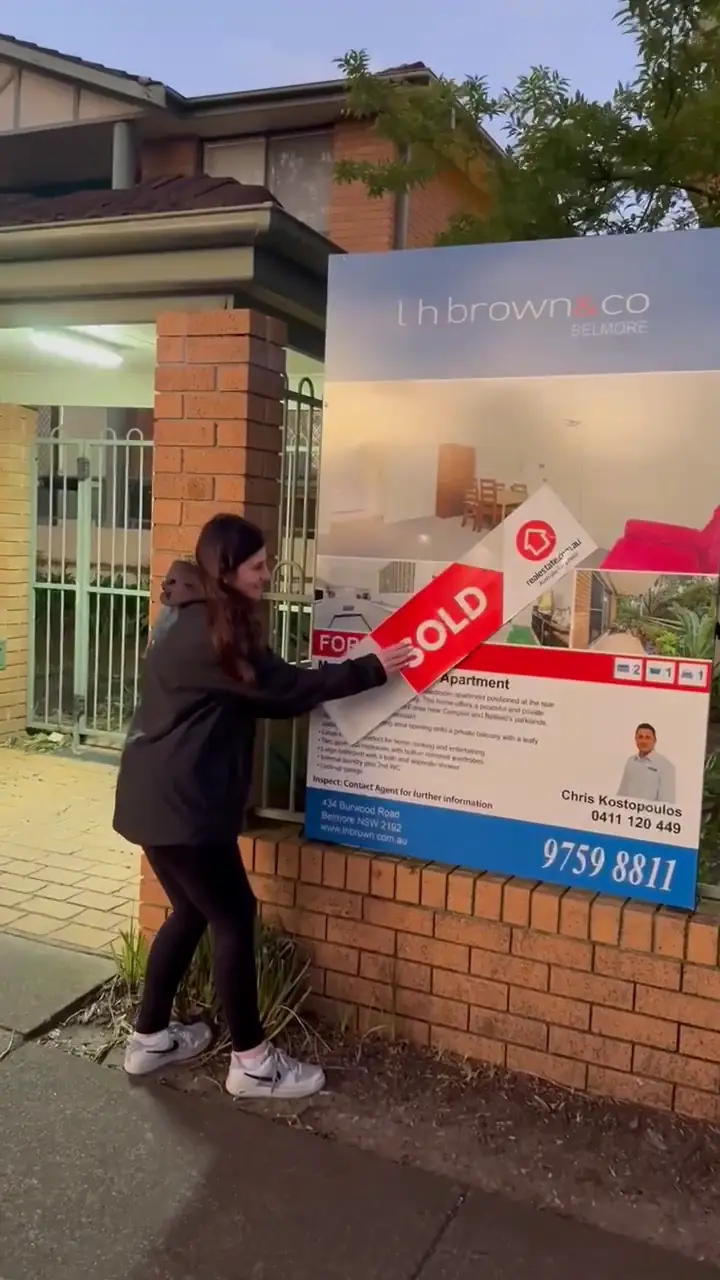
  • A Links Property Finance client in front of the sold sign at the first home she bought First home · Inner West
    Sold. Her first home. Deposit, scheme and lender, sorted.
  • Next one

    Yours could be the next one.

    A quick call and you will know your next step.

    Book my free call

How much equity could you use?

How much equity could you use?

Home equity calculator

For upgraders and investors, how much of your home could work as a deposit.

$1,100,000
$600,000
  • Total equity$500,000
  • Usable equity (to 80% LVR)$280,000

That usable equity could work as a deposit on an investment property or renovation, structured so your properties aren’t tied together unnecessarily.

Usable equity assumes lending to 80% of your home’s value against your current loan. Lender policy and serviceability decide the real figure.


Confirm your numbers.

Charles Touma, mortgage broker at Links Property Finance

Real outcomes for real borrowers.

★★★★★
I honestly couldn’t recommend Links Property Finance and Charles highly enough. After speaking with others who weren’t able to help me, Charles went above and beyond to understand my situation…
Evangelos Google review
★★★★★
A huge thank you to Charlie for his exceptional support and expertise throughout the process of securing finance for my first home.
Julian Google review
★★★★★
Had a really good experience with Charles at Links Property Finance. He was easy to deal with, always quick to respond and kept everything simple and clear throughout the whole process. You can tell he genuinely cares about getting the best outcome for his clients rather than just getting things done quickly. Really happy with the experience and would happily recommend Charles and Links Property Finance to anyone.
Christian Google review

What is a bridging loan, and how does it work?

A family together in their backyard
  • A bridging loan lets you buy your next home before your current one has sold.For a limited period, commonly up to six or twelve months depending on the lender, you hold both properties, and the lender holds both as security. When the existing home sells, the proceeds pay the bridge down and you continue with an ordinary loan on the new home.
  • It is a useful structure for the right situation, and an expensive mistake for the wrong one.The difference is almost entirely knowable in advance, which is what this page, and the conversation behind it, is for.

Peak debt and end debt

A family walking along a Sydney beach
  • Peak debtThe largest amount you owe during the bridge: your existing loan, plus the full purchase cost of the new home, plus fees and any capitalised interest. End debt is what remains after your sale settles and its proceeds come off the pile, the loan you will live with.
  • Lenders assess both numbers.Peak debt has to fit within their loan-to-value limits across the two properties; end debt has to be serviceable on your income as an ordinary mortgage. A bridge that produces a comfortable end debt but an impossible peak, or the reverse, fails at application, which is the cheap place to find out.

The risk that matters: a slow sale

Every bridging risk is a version of one scenario, the existing property takes longer to sell than planned, or sells for less. The bridging loan calculator shows how the peak debt and the end debt move when the sale takes longer.

Interest keeps accruing on peak debt, the bridging term keeps counting down, and if the term expires unsold, you are negotiating with your lender from a weak position: extending, refinancing under pressure, or reducing the price to move the property.

Moving day at a new home

Alternatives worth pricing first

Bridging is rarely the only route, and sometimes not the best one:

  • Sell first, with a long settlement. Negotiate an extended settlement on your sale and use the certainty to buy calmly. No peak debt, no bridge interest, the cost is timing pressure on the purchase side.
  • A deposit bond, or short-term finance. If the gap is only the deposit, a deposit bond can stand in for cash at exchange, and where no bank will bridge, short-term private finance can cover the gap at a higher cost.
  • Equity release instead of a bridge. Where income services both loans outright, an ordinary equity release against the current home can fund the new deposit without bridging structure at all, the approach many Drummoyne and Cabarita upgraders use.
A family with bikes outside their house

How does a bridging loan run, step by step?

  1. 1
    Model peak and end debtBoth loans, the costs and the interest added during the bridge, against a realistic sale price.
  2. 2
    Choose the lender for its bridging policyWhether it assesses end debt or peak debt, the maximum term, and whether interest is added to the loan.
  3. 3
    Buy the next homeThe bridging loan funds the purchase while the current home is still yours.
  4. 4
    Sell within the termCommonly six to twelve months; the sale proceeds repay the bridging portion.
  5. 5
    Settle into the end loanWhat remains becomes an ordinary home loan.

How long can a bridging loan run?

Most lenders allow six months to sell an existing home, and up to twelve months when building. Interest is usually capitalised during the bridge, so the debt grows until the sale.

If the home does not sell in time, the lender can require a sale or a restructure.

Do I need a sale contract before a bridging loan?

No. Open bridging has no sale in place; closed bridging has exchanged contracts on the existing home. Closed bridging is easier to approve and cheaper because the lender knows the sale date and price. Open bridging needs more equity and a conservative sale estimate.

Are bridging loan rates higher?

Not necessarily: with specialist lenders, bridging rates are often similar to standard variable rates, but interest is capitalised, so the cost compounds over the bridge, and fees and a valuation on both properties apply.

The total cost depends mostly on how quickly the home sells.

Common questions about bridging finance

How long can a bridging loan last?

Commonly six to twelve months depending on the lender, with some allowing longer for construction-related bridges. The term is a hard boundary, not a guideline, plan the sale campaign to finish well inside it, and know before signing what an extension would involve.

Do I make repayments during the bridge?

It depends on the structure. Some lenders capitalise bridging interest, nothing is payable monthly, and the accrued interest is settled from your sale proceeds. Others require interest payments through the bridge. Capitalising protects monthly cash flow but grows peak debt; servicing does the reverse.

Am I assessed on the peak debt or the end debt?

Either, depending on the lender, and it is the biggest practical difference between bridging policies: end-debt assessment suits borrowers who can service the final loan but not two at once; peak-debt assessment is stricter but more widely available.

What happens if my house doesn't sell within the bridging term?

You negotiate: an extension if the lender offers one, a refinance of the combined position if servicing allows, or a price reduction to complete the sale.

Is bridging finance more expensive than a normal home loan?

Generally yes while the bridge runs, rates on bridging are typically variable and can sit above standard owner-occupier pricing, and interest may compound if capitalised. The end debt, once the sale settles, prices as an ordinary loan.

Get advice on bridging loans

Thirty minutes with Charles: your equity, your peak and end debt, the slow-sale stress test and the alternatives, priced side by side, no obligation.

Prefer a callback?

Charles Touma, mortgage broker at Links Property FinanceCharles calls back within one business day. No documents needed yet.

A family in front of the sold sign at the home they bought together
Charles Touma, mortgage broker at Links Property Finance
Reviewed by Charles Touma Director & Mortgage Broker · MFAA member · Credit Representative 579003 under ACL 389328 About Charles · MFAA register · ASIC register · Complaints processEvery page is reviewed by Charles before it is published and checked against current lender policy and the official scheme pages linked where figures appear.

General information only, not credit advice. Bridging finance is not suitable for everyone; availability, structure and assessment depend on your circumstances and each lender's current policy. Your situation is assessed properly before any recommendation.