
Links Property Finance · Free calculator from a Sydney mortgage broker: How Much Can I Borrow? Borrowing Power Calculator
A quick read on your borrowing power. Nothing saved, no details taken.


How much could you borrow?
How much could you borrow?
What moves the number
Choose any that apply. Each shows roughly how much it changes the figure, the way a lender’s assessment would.
is an indicative borrowing figure at today’s typical rates. Lenders typically count around 80% of rental income, which is why an investment purchase can lift your number, your real figure comes from a proper assessment.
Confirm your numbers.
How much can you borrow for a home loan?
Roughly what your income supports after tax, living costs and existing debts, with repayments tested at a rate about 3 per cent above the one you would pay. Credit card limits, car loans and HELP repayments cut it quickly.
Read more
The calculator gives an indicative figure; each lender calculates differently, so the real range comes from an assessment.
Part of the first home buyer loans guide.

Recent Links clients
-

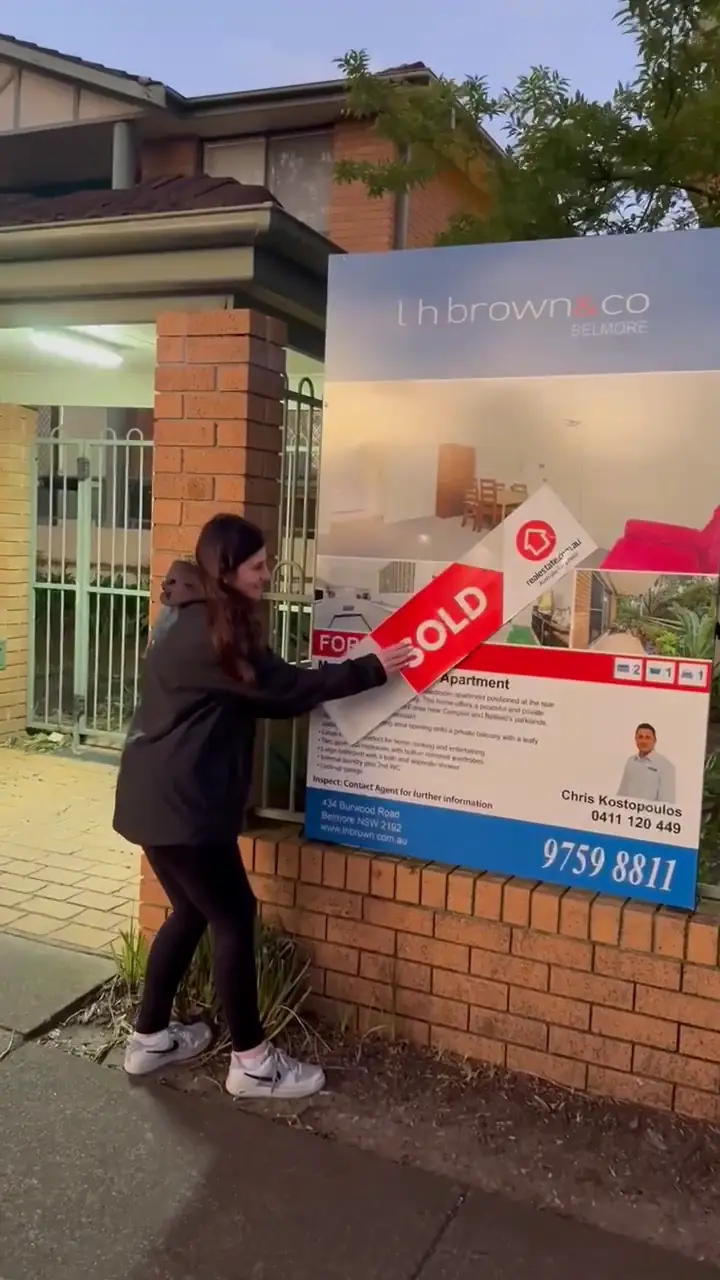
Bought, and all smiles. A family purchase in Sydney’s south-west. -

Their new home, at frame stage. Walls next. The frame is up. -
Next one
Yours could be the next one.
A free 30-minute call shows where you stand.
Book my free call


Charles and the team at links property finance recently assisted me with my purchase of my first property in Burwood. As a first home buyer, Charles made the process simple and easy. I would recommend Charles to all first home buyers
Charles at Links Property Finance made buying our first home so much easier than we expected. As first home buyers, we had a lot of questions around borrowing capacity, our deposit and the different government schemes available to us. Charles explained everything clearly, compared different lenders and kept us updated throughout the whole process. He was always easy to reach and made sure we understood what was happening from pre approval right through to getting our home loan approved. We would definitely recommend Links Property Finance to anyone looking for a mortgage broker, especially first home buyers who want someone to guide them through the process.
As a first home buyer, I was pretty overwhelmed at the start, but Charles made everything much easier. He explained the process step by step and helped me understand my borrowing options. His professionalism and responsiveness were excellent.
 Charles Touma, Mortgage Broker.
What is this calculator doing?

- The calculator applies the arithmetic a lender applies: your income, minus your living expenses, minus the repayments on debts you already carry, tested against a repayment calculated at an assessment rate higher than the rate you would pay.
- That buffer is why the figure comes in lower than a simple repayment calculation suggests, and it is deliberate.
- Lenders are testing whether you could still afford the loan if rates rose.
Why will your bank's number differ?

- Every lender sets its own assessment rate, its own minimum living-expense floor, and its own treatment of overtime, bonus, commission and rental income.
- Those three settings alone routinely move the same household's borrowing figure by six figures.
- This calculator uses reasonable middle-of-the-road assumptions, so treat the result as a starting range rather than an offer, and see the full assessment for a figure checked against real lender policy.
Common questions about borrowing power
How accurate is a borrowing power calculator?
It gives you the right order of magnitude, not a number a lender will honour. Calculators cannot see your credit file, verify your income, or apply the specific policy of the lender you will end up with.
Use it to work out whether you are looking in the right price bracket, then get the figure verified before you make an offer.
Why does my bank say I can borrow less than this?
Most often the assessment rate, the living-expense floor, or how they treat variable income. A lender that counts only half your overtime will produce a much lower number than one that counts most of it, on identical payslips.
That difference is the single strongest argument for comparing lenders rather than accepting the first answer.
Do credit card limits matter if I do not use them?
Yes. Lenders assess the limit, not the balance, on the reasonable assumption you could draw the full amount tomorrow. An unused $20,000 limit can reduce borrowing power meaningfully.
Reducing or closing cards before applying is one of the few levers that works quickly, though it should be modelled first rather than done on instinct.
Does HECS or HELP debt reduce how much I can borrow?
Yes: the compulsory repayment counts as a commitment against your income, though lenders treat it differently from ordinary debt, and the effect varies by lender and by how close the balance is to cleared. The HECS guide covers when clearing it early helps and when it does not.
What raises borrowing power fastest?
Usually reducing or closing unused credit limits, clearing small high-repayment debts, and having variable income evidenced properly so a lender counts more of it.
Increasing the loan term also raises the figure but costs more over time. Which lever applies to you depends on your file, which is a thirty-minute conversation, not a calculator output.
Check the estimate with a broker
Bring your numbers to a 30‑minute conversation and leave with a borrowing range a lender could stand behind.
Prefer a callback?Charles calls back within one business day. No documents needed yet.





Estimates only, not credit or financial advice. Calculators use general assumptions; lender policy, rates and your own position are confirmed in a full assessment.