
Buying a Deceased Estate Property: Probate, Timing and Finance
Buying a deceased estate in NSW can mean a dated home and a settlement that waits on probate. How to plan the finance, the timing and the inspections.
 Charles Touma
3 min read
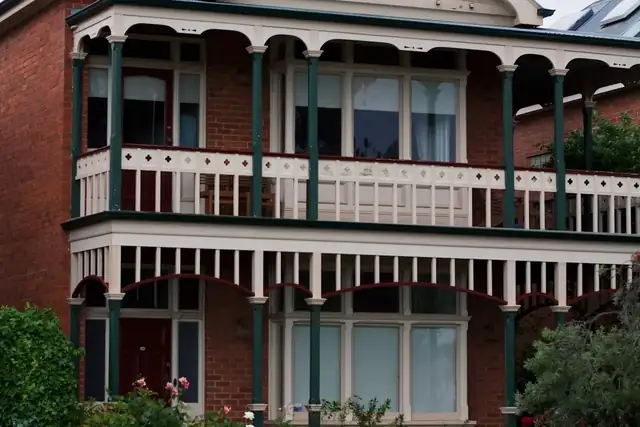
Buying a deceased estate is like any other purchase, but the seller is the executor, the home is often dated, and settlement can depend on probate. If probate has not been granted when contracts are exchanged, the contract may allow settlement to wait for it. Plan your finance for a longer or uncertain settlement, and expect to buy the home as it is.
| Item | What to expect |
|---|---|
| Seller | The executor or administrator of the estate |
| Probate | May be granted already, or the contract waits for it |
| Condition | Often original or dated, sold as is |
| Settlement | Can be longer or delayed |
| Finance | Normal loan, but approvals have time limits |
What is different about the seller?
The executor named in the will, or an administrator appointed by the court, sells on behalf of the estate. They may not know the property’s history, may need agreement from beneficiaries, and often cannot give the assurances an owner-occupier could. Expect the contract to limit warranties.
How does probate affect settlement?
An executor needs probate from the Supreme Court of NSW before the estate can transfer the property. If probate is already granted, settlement runs as normal. If not, the contract may make settlement depend on probate, which can take months. Ask your conveyancer what the special conditions say and whether there is an end date.
How do you keep your finance on track?
- Pre-approvals expire, often within a few months, and formal approvals have time limits too.
- Rates and policies can change during a long settlement.
- Valuations can be revisited if settlement is delayed.
Tell your broker about the expected settlement date at the start, so the approval is timed or extended. The article on approval times explains the stages.
What should you inspect?
Estate homes have often been lived in for decades. Commission a building and pest inspection, check for unapproved alterations, and look at wiring, plumbing and roofing. If you plan to renovate, get quotes before you bid; the renovation loans page explains how to fund the work, and heritage and period home loans covers older homes in conservation areas.
Is a deceased estate a good buy?
Often, for buyers happy to renovate. Executors usually want a clean sale, and dated homes can attract fewer buyers. But prices still follow the market, and the work needed can be significant. The Birrong page looks at estate sales in one Bankstown-area suburb.
A worked example
A couple buy a 1960s brick home in south-west Sydney from an estate. Probate is not yet granted, so the contract allows settlement up to six months away. Their broker times a formal approval with a lender that allows a longer validity, and they arrange a renovation split to update the kitchen and bathroom after settlement.
Questions people ask
Can you buy a house before probate is granted?
You can exchange contracts, but settlement usually waits until probate is granted.
Are deceased estates cheaper?
Sometimes, mainly because of condition. Executors still aim for market value.
Can I get a home loan for a deceased estate?
Yes, a normal home loan, timed for the settlement date.
Does a deceased estate have to go to auction?
No. The executor can sell by auction or private treaty, or to a family member. Auction is common because it shows the executor sought market value, but it is not required.
Charles Touma times your approval to the estate’s settlement and plans any renovation funding. A free 30-minute call covers it. General information only, not legal or credit advice; a NSW solicitor or conveyancer should review your contract.
Sources: NSW Government, contracts, deposits and cooling-off; NSW Government, inspecting a property, checked 18 October 2026.
General information only, not credit, legal or tax advice. Your situation is assessed properly before any recommendation. Government scheme details change; figures are current at the time of writing.
Talk it through with Charles
A free 30-minute call: your borrowing power, deposit options and the next step.