




Call Text Book a time
Home loans · Low deposit

Low Deposit Home Loans

Twenty per cent is the number lenders prefer. It is not the number you need. There are four established ways into a home with less, and they cost very different amounts. The useful question is not "can I buy with a small deposit" but "which of these four is cheapest for me".

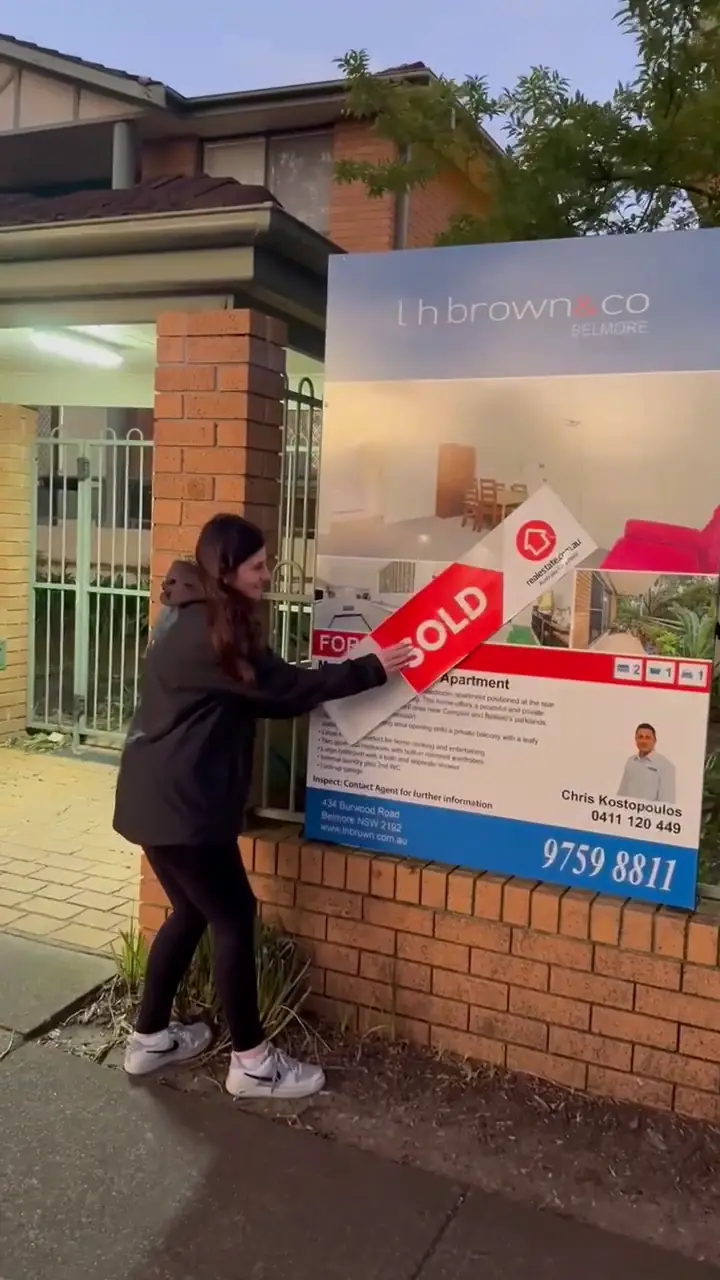
Moving into a first home bought with a low deposit

The four routes, compared

How lenders assess a low deposit application

A smaller deposit means more scrutiny, not different arithmetic. These are the areas where it shows.

Genuine savings

Many lenders want to see part of the deposit built up over three to six months, rather than appearing suddenly. Rent paid on time can sometimes count.

Employment stability

Probation, casual work and recent job changes get closer attention at high loan-to-value ratios. Buying while on probation.

Credit history

Small defaults and missed payments matter more when the deposit is thin. Worth checking your credit file before applying, not after.

Property type

Some lenders reduce the maximum loan-to-value ratio for apartments, small units or high-density postcodes. The property is assessed too.

Spending patterns

Bank statements are read. Buy-now-pay-later accounts, gambling transactions and undisclosed debts all come up.

Serviceability

Assessed at a rate well above the one you will pay. A small deposit does not lift this ceiling. Estimate your borrowing power.

Get your free First Home Buyer Report

A written report showing where your deposit actually sits, which of the four routes is likely to be cheapest for you, and what the next step is. Free, no credit check.

Common questions about low deposit home loans

What is the smallest deposit I can buy with?

Five per cent is the practical floor for most buyers, through the Australian Government 5% Deposit Scheme if you are eligible, or with lenders mortgage insurance if you are not. With a family guarantee it is possible to borrow the full purchase price and costs, subject to lender policy. In every case you still need cash for purchase costs, and you still have to satisfy the lender on serviceability.

Is lenders mortgage insurance a waste of money?

It protects the lender, not you, which is why it feels like one. Whether it is worth paying depends on the alternative. If saving another 15 per cent would take three years and prices move in that time, the premium can be the cheaper outcome. If you would reach 20 per cent within a year, it usually is not. It is an arithmetic question rather than a matter of principle, and it is worth actually doing the arithmetic.

What are genuine savings and why do lenders care?

Genuine savings are funds you have accumulated yourself over time, usually three to six months, rather than a lump sum that appeared recently. Lenders use it as evidence you can set money aside consistently, which is a reasonable proxy for being able to meet repayments. Policy varies: some lenders accept rent paid on time as a substitute, and requirements are often relaxed at lower loan-to-value ratios.

Can I use a gift and the 5% scheme together?

Often yes, though the details depend on the lender and on the current scheme rules. A gift can supply part or all of the deposit while the government guarantee removes the need for insurance. Some lenders still want a portion of genuine savings even where a gift covers most of the deposit. It is worth confirming with the specific lender before you rely on it.

Does a small deposit mean a higher interest rate?

Often, yes. Many lenders price by loan-to-value ratio, reserving their sharpest rates for borrowers at or below 80 per cent. The difference varies between lenders and changes over time. It is one reason refinancing becomes worth reviewing once your ratio drops below 80 per cent, whether through repayments or a change in the property's value.

Should I wait and save more instead?

Sometimes that is genuinely the better answer, and you should expect to be told so if it is. Waiting improves your rate, removes the insurance premium and builds a buffer. It also means paying rent for longer and buying into whatever the market does in the meantime. There is no universally correct answer, only a clearer one once your actual numbers are on the table.

Do all lenders offer low deposit loans?

No. Maximum loan-to-value ratios differ, and some lenders reduce them further for apartments, small units, high-density postcodes or certain employment types. Not every lender participates in the government scheme either. This is the main reason a small deposit benefits from comparison across a panel rather than an application to whichever bank you already bank with.

Find out which route is cheapest for you.

Five questions and you will know where your deposit sits and which of the four options is worth pursuing. No credit check, nothing saved.