


Call Text Book a time
Professional lending

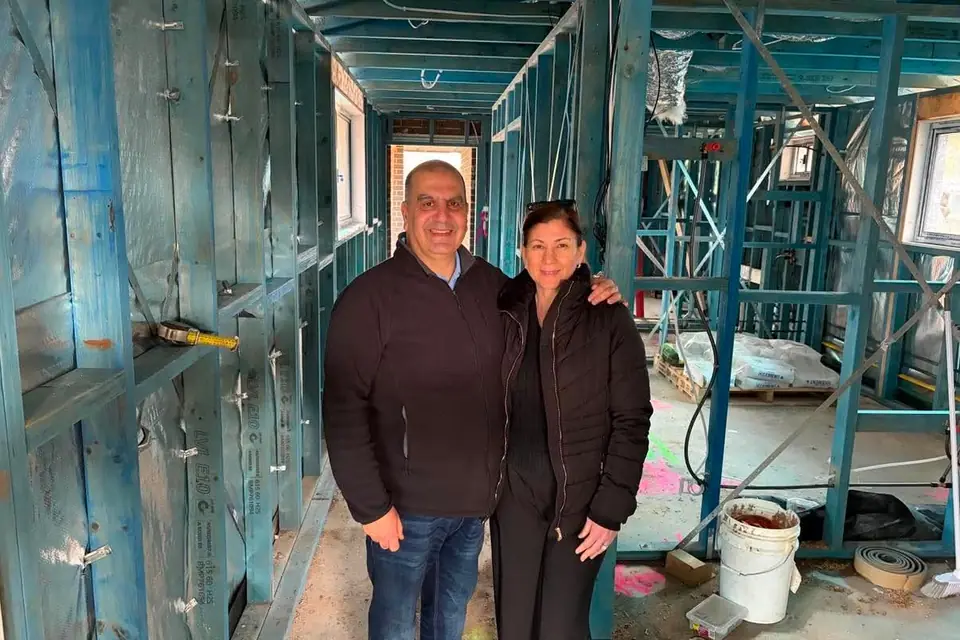
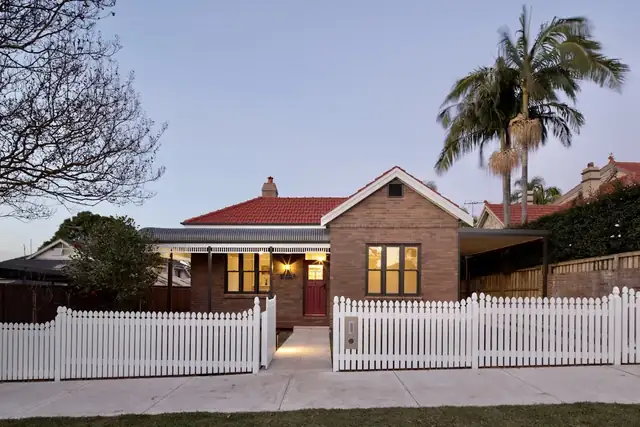
Financing a knock-down rebuild

Rebuilding on land you already own is one of the more sensible ways to end up in the house you actually want, and one of the more complicated ways to finance it. There is no purchase, so there is no purchase price for a lender to anchor to. Everything runs on the completed home's assessed value and on your ability to carry the debt while nothing is finished.

The sequence, in order

Each stage depends on the one before it, which is why the finance is arranged before the builder is booked.

Capacity confirmed first

Before plans are finalised, before a builder is engaged. The end value and your servicing set what is possible.

Approval and fixed-price contract

Council or complying development approval, a licensed builder and a fixed-price contract are what lenders want to see.

Staged drawdowns

Five stages is typical, each after inspection, with interest on drawn funds only. The construction guide.

Contingency inside the facility

Not a savings account you hope not to touch. Inside the approved amount, available at loan pricing.

Considering a rebuild rather than moving?

Charles can price the rebuild against buying elsewhere, including the holding costs nobody budgets for.

Check my position

Knock-down rebuild questions

Can I borrow against land I already own?

Yes, that is the usual structure. Your existing property provides the security, and the lender assesses the completed home's value from the plans and the build contract. Existing equity in the land frequently means little or no additional cash deposit is required, which is one of the genuine advantages of rebuilding.

How do progress payments work?

The approved facility releases funds at completed construction stages, commonly slab, frame, lockup, fit-off and completion, each after an inspection. You pay interest only on what has been drawn, so repayments start low and rise as the build advances. The builder is paid from the facility rather than by you directly.

What happens if the build runs over budget?

Variations and site costs come from your contingency, which is precisely why it should sit inside the approved facility rather than in a savings account. Applying for additional funds mid-build is possible but assessed hard and slowly, and it happens at the worst possible moment.

Where do I live during construction?

Wherever you arrange, and it costs money. You will typically be servicing the loan on a site with no house while paying rent elsewhere, for the duration of the build. It is the cost most rebuild budgets omit, and it belongs in the plan from the beginning.

Is a rebuild better than renovating?

It depends on the existing house and what you want. Renovating avoids demolition and can sometimes be funded more simply; rebuilding gives you exactly the home you want without the compromises of working around old structure. Compare build cost plus contingency plus holding costs against the renovation alternative, honestly, before choosing.

Charles Touma, Director and Mortgage Broker at Links Property Finance
Reviewed by Charles Touma Director & Mortgage Broker · MFAA member · Corporate Credit Representative 580078 under ACL 389328 About Charles

General information only, not credit or financial advice. Professional lending policies, eligible occupations and loan-to-value thresholds vary by lender and change over time. Eligibility is confirmed against current lender policy in an assessment; nothing on this page is a promise that any lender will approve any application.

Get the finance right before the builder.

Twenty minutes with Charles: what your land and income support, how the drawdowns would run, and the holding costs to plan for. Free, no credit check.

Prefer a callback?

Charles calls back within one business day. No documents needed yet.