
Buying Your First Apartment in Sydney
Strata reports, levies, lender rules on units and the questions to ask before you offer. The apartment buyer's real due diligence list.
 Charles Touma
Updated
7 min read
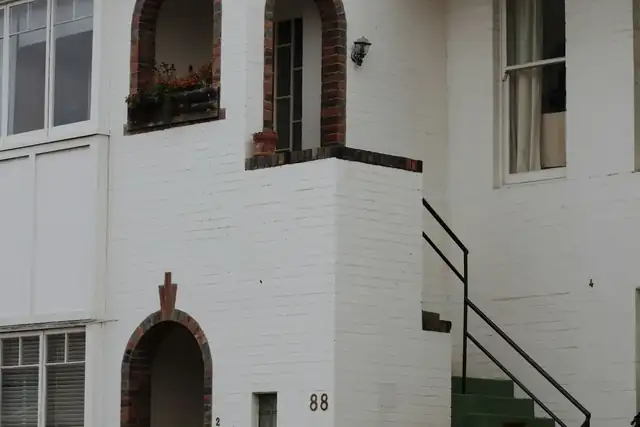
For most Sydney first home buyers, the realistic first purchase is an apartment. That is not a consolation prize, it is how this city works, and apartments come with real advantages: location, price, and often eligibility for every scheme going. But buying into a strata building is buying into a small shared company, and the due diligence is genuinely different from buying a house.
Here is what to check, in the order it usually matters.
Why is the strata report essential?
Before you commit, a strata inspection report, a paid review of the owners corporation’s books, tells you what the building knows about itself: levies and whether they are being paid, the capital works fund balance, past and planned special levies, disputes, defects, insurance and fire safety compliance. On a purchase this size it is a small cost for the only honest picture of the building’s health. Read it for patterns: a healthy building maintains things routinely; a struggling one lurches between crises and special levies.
What do the strata levies tell you?
Strata levies fund the building’s running costs and its savings for future works. Unusually low levies are not automatically good news, they can mean a building saving too little, with a special levy waiting when the lifts or waterproofing eventually demand it. Factor levies into your repayment budget from the start: the repayments calculator plus quarterly levies is your real monthly cost.
How do lenders assess apartments?
Lenders assess the security as well as the borrower, and apartments attract extra policy:
- Size minimums. Many lenders want internal areas above certain thresholds, and studios or very small units can limit your lender choice.
- High-density and postcode policies. Some lenders cap lending in specific buildings or postcodes with heavy supply.
- Serviced and student-style units are treated as specialist securities by many lenders, with tougher terms or outright declines.
None of this means such apartments cannot be financed, it means the lender must be chosen with the property in mind, which is precisely a broker’s job.
New build, or established?
A new apartment can carry builder warranties, lower maintenance expectations, and eligibility for the $10,000 First Home Owner Grant within its price caps. An established apartment in an older building offers something different: a visible track record. The defects question runs both ways, and the strata report answers it better than the marketing does either way.
What does buying an apartment cost?
Eligible first home buyers pay no NSW stamp duty up to $800,000 and a concession to $1 million, and a large share of Sydney’s apartment market sits under those lines, this relief is effectively an apartment buyer’s scheme. Budget alongside it: conveyancing, the strata report, lender costs, and a buffer for the quarter’s levies at settlement. The buying costs calculator itemises it, and the full costs guide explains each line.
What should you ask before you offer?
- What is in the capital works fund, and what major works are planned or overdue?
- Any special levies in the past five years, or flagged in the minutes?
- What are the by-laws on pets, renovations and short-stays?
- Is the building’s insurance current and adequate?
- For newer buildings: what does the defect history and builder record look like?
How do you read a strata report?
A strata report can run to dozens of pages, and most of its value is in a handful of places. Start with the financial statements: the administrative fund should be covering the building’s running costs without constant top-ups, and the capital works fund should hold a balance that looks proportionate to the age and size of the building. Then read the minutes of the last two or three years of meetings in full. That is where you find the things the agent did not mention: a waterproofing dispute, a lift replacement being deferred, an owner in arrears, a builder being chased over defects. Finally check the insurance certificate for currency and adequacy, and the fire safety statement for compliance. A report that leaves you with questions is doing its job; ask them before you offer, not after.
How is buying off the plan different?
Buying an apartment before it is built brings specific risks that an established purchase does not. Your finance cannot be formally approved until the building is complete and can be valued, which may be a year or more after you sign, and lenders assess you on their policy at that later date, not the day you exchanged. A valuation at completion below the contract price leaves you to cover the gap. Sunset clauses, which allow the contract to be rescinded if the building is not complete by a date, deserve close legal attention. On the positive side, new apartments can carry the $10,000 First Home Owner Grant within its price caps and are assessed on the same duty thresholds as established homes, and a well-built new building can mean years without major works.
Is an older or a newer building better?
Neither is automatically safer. An older building has a track record: its minutes show how it has handled problems, and its levies reflect a known maintenance cycle. Its risks are the expensive items that arrive with age, such as lifts, roofs, plumbing and balconies, and a capital works fund that has or has not been built to meet them. A newer building has fewer immediate works but less history, and the building defect question in some recent Sydney developments is well documented. In both cases the strata report, not the age, is the evidence.
How do you check a unit against lender policy?
Before you fall for a particular apartment, three questions settle most of the lender-side risk. What is the internal floor area, excluding balconies and car space, and does it clear the size minimums of the lenders you would use? Is the building in a postcode or development where any of those lenders cap their exposure? And is the unit a standard residential title rather than a serviced, company-title or student-accommodation arrangement? A broker can answer these for a given address in an afternoon, and it is far cheaper to ask than to discover the answer at valuation.
Which location trade-offs matter for apartments?
Apartments make the location conversation sharper than houses do, because the same money buys very different things depending on where you draw the circle. A smaller apartment in an established inner suburb tends to hold value through its land component and its scarcity; a larger apartment in a high-supply corridor offers more space per dollar but competes with every new release nearby at resale. Neither is wrong. The questions to ask are how long you intend to hold, how much the extra bedroom is worth to you in daily life, and what the supply pipeline looks like around each option, which your council’s development applications will tell you more honestly than any brochure.
Questions people ask
Are strata levies tax deductible?
Not for a home you live in. They become relevant to tax only if the property is later rented out, at which point your accountant is the right person to ask.
Can I negotiate on a property with a special levy coming?
Yes, and you should. A known future levy is a cost you are inheriting, and a reasonable vendor expects it to be reflected in the price or in an adjustment at settlement. Your conveyancer can advise on how to structure that.
Does the 5% deposit scheme cover apartments?
Yes. The scheme covers established apartments, new apartments and off-the-plan purchases within the price cap, subject to the lender’s own property policy, which is where the size and building rules above come in.
An apartment purchase rewards preparation more than any other first purchase, because the building’s finances are as important as yours. Get your side of the ledger settled early with a free borrowing assessment, then inspect with real numbers behind you.
Sources: Revenue NSW, First Home Buyers Assistance Scheme; Revenue NSW, First Home Owner (New Homes) Grant ($10,000, new homes up to $600,000), checked 17 October 2026.
General information only, not credit, legal or tax advice. Your situation is assessed properly before any recommendation. Government scheme details change; figures are current at the time of writing.
Talk it through with Charles
A free 30-minute call: your borrowing power, deposit options and the next step.