
Links Property Finance · Home loans for first home buyers: First Home Super Saver Scheme
Voluntary contributions into super, released later to put toward your first home.


Can you save a deposit faster through super?
Possibly. The released amount is taxed at your marginal rate less a 30 per cent offset, which is usually less tax than on ordinary savings.
Read more
The First Home Super Saver Scheme lets you save for a first home deposit inside super: you make voluntary contributions to super, up to $15,000 a year and $50,000 in total, and later apply to the ATO to release them, with earnings, for a first home.
Part of the first home buyer loans guide.

Where does it fit in a lending file?
Money released under the scheme forms part of your deposit, and lenders generally treat the withdrawals as genuine savings, because they are: a documented history of you setting money aside.
Recent Links clients, including first home buyers
-

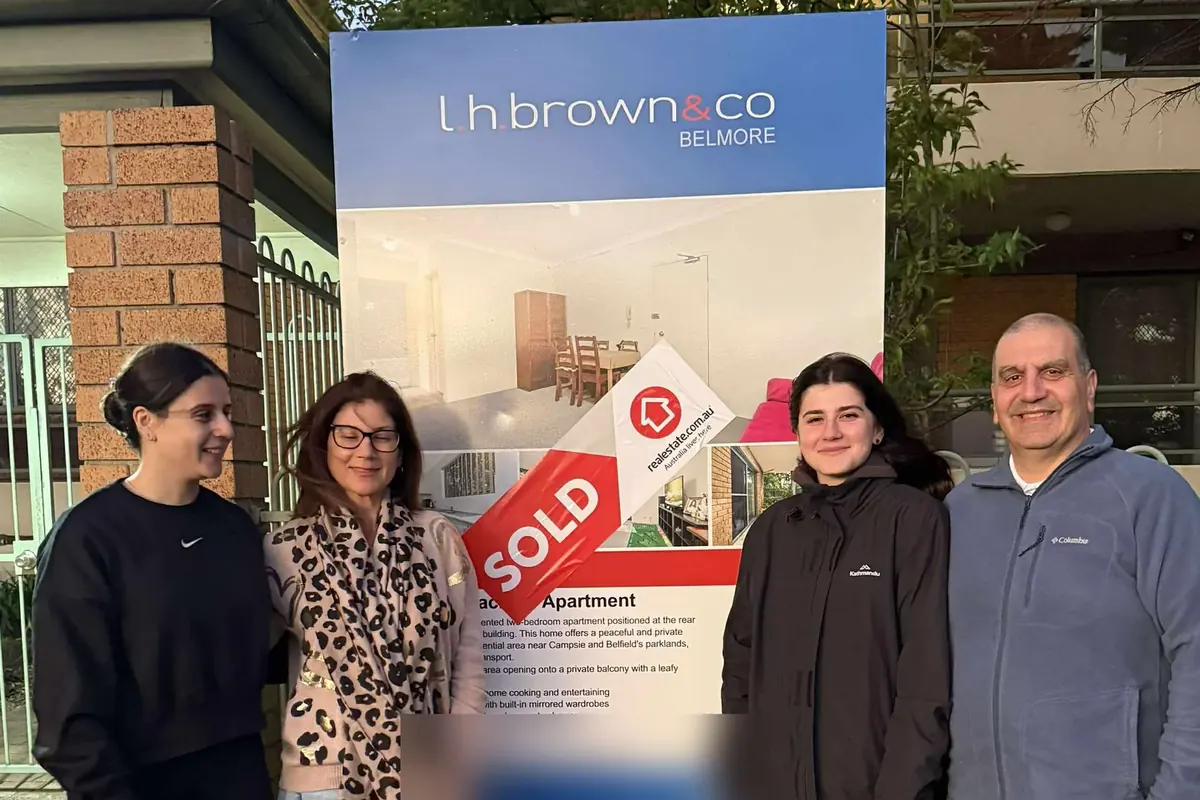
Sold. Her first home. Deposit, scheme and lender, sorted. -
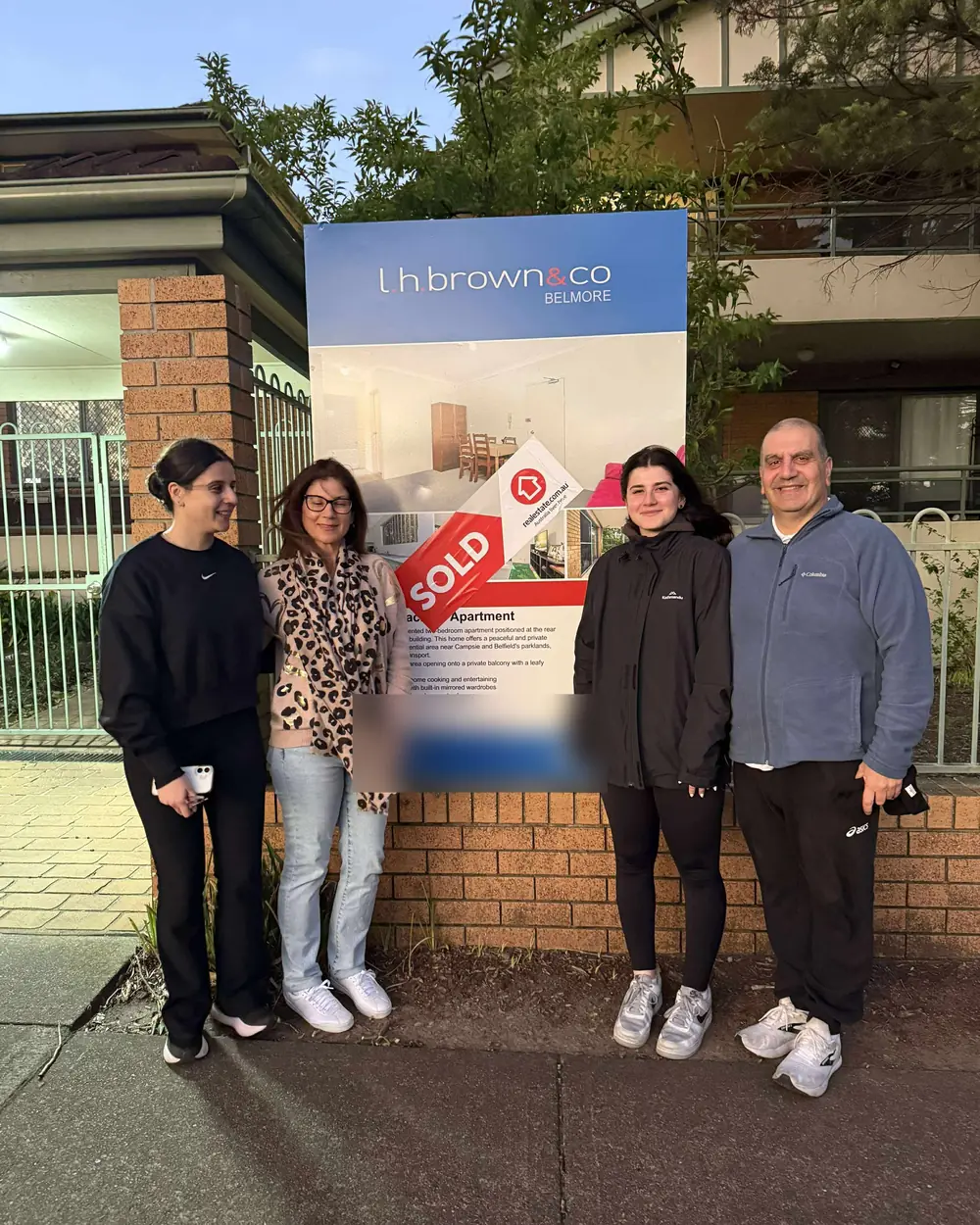
The whole family turned up. A parents’ guarantee, done properly.


What could a 5% deposit get you?
What could a 5% deposit get you?
No LMI: an estimated $22,800 premium avoided (a broad guide; real premiums vary by lender and loan).
Stamp duty: $0 for eligible NSW first home buyers (saves $30,187).
Indicative only. The deposit excludes stamp duty, legal and inspection costs, and a participating lender, not this calculator, confirms 5% Deposit Scheme eligibility.
Confirm your numbers.
A huge thank you to Charlie for his exceptional support and expertise throughout the process of securing finance for my first home.
Charles went above and beyond to help us secure our home loan. He worked hard to find the best option for us and kept us updated throughout the whole process. His knowledge of the lending market was impressive and he made everything straightforward.
Charles and the team recently assisted me with the refinance of my investment property.
How does the First Home Super Saver Scheme work?
You make voluntary contributions into your super fund on top of what your employer pays. When you are ready to buy your first home, you apply to have those voluntary contributions, plus associated earnings, released and put toward the purchase.
The scheme exists because of how the contributions and the release are taxed relative to saving the same money in a bank account, and those tax settings, along with the contribution caps and release limits, are set by the Australian Taxation Office and change over time. The ATO's published rules are the source of truth for the current numbers.
Two practical points matter more than the fine print. First, only your voluntary contributions can be released, never your employer's compulsory contributions.
Second, the release step has its own process and timing through the ATO, so it belongs in your purchase timeline early, not the week you want to exchange. Using super to clear a mortgage later in life works differently; see using super to pay off your mortgage.
 Charles Touma, Mortgage Broker.
Where does it fit in a lending file?
Money released under the scheme forms part of your deposit, and lenders generally treat the withdrawals as genuine savings, because they are: a documented history of you setting money aside. That matters at lenders whose policy asks where the deposit came from.
The scheme sits alongside rather than competing with the purchase schemes, so a buyer can save through super, then buy using stamp duty relief and the 5% Deposit Scheme where they qualify for each.
The trade-off is access. Money contributed to super is harder to reach than money in a savings account, and if your plans change, getting it back out is governed by the scheme's rules, not by you.
That makes the scheme a deliberate commitment to buying, not a parking spot. Whether that discipline is a feature or a constraint depends on how settled your plans are. Other ways to build a deposit are in how to save a house deposit.
Common questions about the First Home Super Saver Scheme
Do lenders accept FHSSS money as part of my deposit?
Yes. Released FHSSS money is deposit like any other, and lenders generally treat the withdrawals as genuine savings because they represent a documented history of setting money aside.
How much can I contribute and release?
Up to $15,000 of voluntary contributions a year count towards the scheme, to $50,000 in total, and you can release those eligible contributions plus associated earnings. The ATO sets the limits, so check its current figures before you rely on them.
Can I use it together with the 5% Deposit Scheme and stamp duty relief?
Yes, where you qualify for each: the FHSS is a way of saving the deposit, while the purchase schemes apply when you buy, and eligibility for each is assessed separately.
What is the catch?
Access. The money is committed to super until released under the scheme's rules, and the release runs on the ATO's process and timing, not yours. Plan the release into your purchase timeline early.
Saving through super is one way to build a deposit, and our first home buyer FAQ covers more of the questions buyers ask on the way to a first home.
Get advice on the First Home Super Saver Scheme
Thirty minutes with Charles: what your deposit sources add up to, which schemes apply, and the realistic timeline from here to keys. Free, no credit check.


General information only, not credit, financial or tax advice. FHSSS contribution caps, release limits and tax treatment are set by the ATO and change; confirm the current rules or speak to a tax adviser before contributing. All lending is subject to individual assessment and approval.
Official sources for the figures on this page: Australian Taxation Office, First Home Super Saver Scheme. Scheme rules change; the official pages are the final word. Checked against these sources on 12 October 2026.