




Commercial property loans in Sydney
The shop your business rents, the warehouse it's outgrowing, the mixed-use building with the flat upstairs, commercial property lending runs on different rules from home loans: lower loan-to-value ratios, lease covenants that matter as much as income, and pricing that gets negotiated rather than advertised. Different rules, still very navigable.
How commercial differs from a home loan
Deposits are bigger: lenders commonly go to around 70–80% of value on standard commercial security, less for specialised property, so the equity contribution is materially larger than residential. Terms are shorter: fifteen to twenty-five years rather than thirty, sometimes with periodic reviews. Pricing is negotiated: commercial rates depend on the security, the lease, the borrower's strength and the lender's appetite that quarter, the "rate card" is a starting position, not an answer. And the consumer protections differ: business-purpose lending generally sits outside the consumer credit protections that cover home loans, which makes independent advice and careful document review more important, not less.
Owner-occupier or investor
Lenders read the two differently. A business buying its own premises is assessed on the business's financials, the property swaps a rent bill for a loan repayment, and the file leans on trading performance, often through a trust or company structure. An investor buying a tenanted commercial property is assessed substantially on the lease: who the tenant is, how long the term runs, and what happens to the loan if the property falls vacant.
What lenders look at hardest
The security itself: a suburban shopfront with broad reuse potential is easier lending than a purpose-built premises with one possible tenant. The lease, on investment purchases: length, options, tenant quality and rent reviews, a long lease to a strong tenant genuinely improves the terms available. The financials: usually two years, with the same add-back logic as self-employed home lending. And the exit: how the debt retires over the term, particularly where interest-only periods are involved.
Sydney and Inner West angles
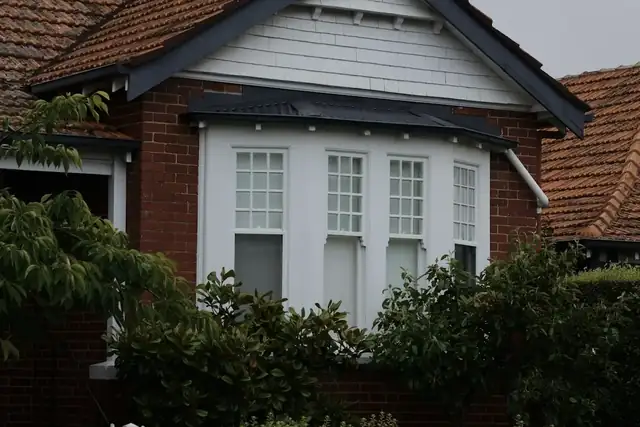
The Inner West's commercial stock is exactly the tricky-but-good kind: mixed-use shopfronts with residences above along the main roads, small warehouses converting between trade and creative uses, and strata offices and food premises where lender appetite swings on the fit-out and the use. Mixed-use in particular sits in a policy seam, some lenders treat it as commercial, some as residential with conditions, and the difference moves both the deposit and the rate. Knowing which lender reads a property which way is half the value of the advice.
Commercial lending questions
How much deposit do I need for a commercial property?
Plan around 20–35% of the purchase price plus costs, depending on the property type and the strength of the file, standard suburban commercial sits at the friendlier end, specialised premises at the tougher end. Existing equity in other property can sometimes stand in for cash, which is a structuring conversation worth having early.
Can my SMSF buy a commercial property?
Superannuation lending is a specialised, heavily regulated area with its own structures and its own advice requirements, financial advice in particular, which a broker cannot provide. If an SMSF purchase is on your mind, the sequence starts with your financial adviser and accountant; we can then speak to the lending side of what they design.
Is GST payable on a commercial purchase?
Often, though going-concern and other treatments can change the answer, it's an accountant's question with a big cash-flow consequence, because the lending needs to be sized for the GST position from the start, not discovered at settlement. We flag it in every commercial file precisely so it lands on the right desk early.
Why is the advertised commercial rate meaningless?
Because commercial pricing is built per deal: security quality, lease strength, loan size, borrower financials and lender appetite all move it. Two borrowers buying similar buildings can receive noticeably different terms, which is why commercial files reward a broker who prices the deal across multiple lenders rather than accepting the first indication.
Can I live in the flat above the shop I buy?
Mixed-use property is the classic Inner West purchase and the classic policy seam: depending on the split between commercial and residential floor area, some lenders assess it residentially with conditions, others as commercial. The answer changes the deposit, the rate and the term, so the property should be matched to the lender before the contract, not after.
Related guides
General information only, not credit, tax, legal or financial advice. Business-purpose lending generally sits outside consumer credit protections; seek independent advice on contracts and structures. Lending ranges and terms are indicative, vary by lender and security, and are subject to assessment and approval.
The building your business deserves.
Twenty minutes with Charles: what the property type means for deposit and term, how your financials will read, and the deal priced across lenders, not taken from a rate card.
Prefer a callback?Charles calls back within one business day. No documents needed yet.