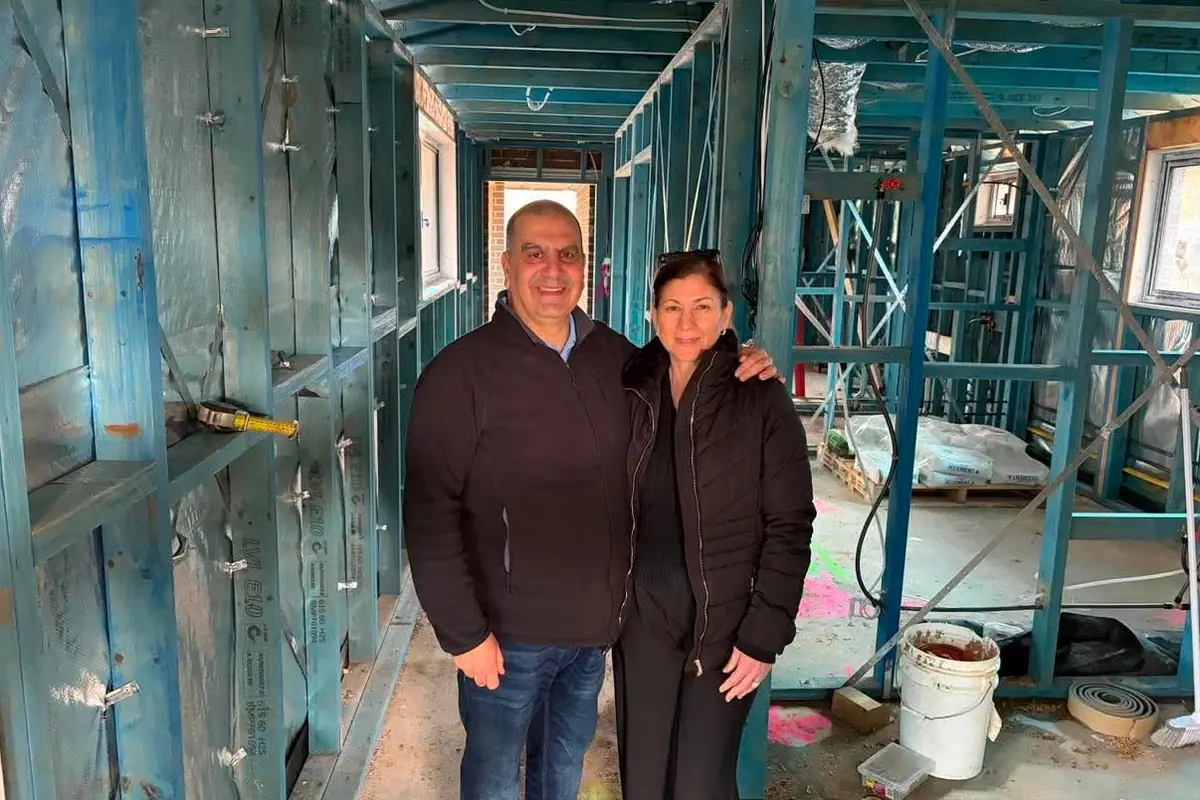





The build that grew $95,000 mid-way
A Wareemba family knocks down and rebuilds: $780,000 fixed-price contract, construction loan approved, slab down. Then a site surprise, two variations and a materials clause add $95,000 across the middle of the build. The loan was approved against the original contract, and this is the moment that decides whether a build finishes smoothly or stalls at frame stage.
The situation
The family owns the land outright after eleven years, with strong equity and mid-range incomes. The rebuild is covered in our construction loan guide: fixed-price contract, five progress stages, interest-only during the build on the drawn balance.
The problem
"Fixed price" fixes far less than the phrase suggests: site conditions discovered at excavation, owner-requested variations, and prime-cost or provisional-sum items can all move the real cost. The construction loan approved the contract, not the surprises, and lenders do not casually hand over more mid-build. An unfunded gap at frame stage stops a build in a way that costs far more than the gap itself.
What made it difficult
Mid-build finance changes are slow precisely when speed matters: a loan increase means reassessment and revaluation while the builder's invoice ages. The protective structure exists before the first slab: a genuine cash buffer outside the loan, borrowing capacity deliberately left in reserve rather than maxed at approval, and variations signed only with their funding identified. This family had two of the three, which is why the story ends with a finished house.

What a broker assesses
Before approval: the contract's provisional sums and prime-cost items read line by line, the honest overrun risk lives there, not in the headline price. Capacity structured with reserve rather than borrowed to the ceiling. During the build: each variation costed against the remaining buffer before signing, and the loan top-up started early, at the first sign the buffer would not stretch, not the week the builder's payment fell due.
Illustrative sequence, the order and availability depend on the actual file and lender policy at the time.
The lending considerations
Construction lending's progress-payment structure protects borrowers from paying for work that never happens, but it makes mid-build funding changes inherently slow. The planning consequence is blunt: the buffer is not optional, and borrowing the absolute maximum at approval is how builds end up half-finished. Where a genuine overrun exceeds every reserve, the honest conversation covers equity, staged completion of non-essential items, and variation negotiation, before arrears do the negotiating.
What borrowers can take from this
Read the provisional sums before you admire the render. Plan ten to fifteen per cent above contract, in cash or reserved capacity, and treat it as spent the day you sign. Fund variations when you approve them. And if the buffer is running out, raise it with your broker at the first sign, mid-build problems are solvable early and expensive late.
Related guides
This is an illustrative example scenario, not a description of a specific client and not a testimonial. The figures are realistic but rounded, no lender is named, and no outcome is promised, every application is assessed on its own facts. General information only, not credit or financial advice.
Plan the buffer before the slab.
Twenty minutes with Charles before you sign a building contract: the provisional sums read properly, and a funding structure with room for the build you'll actually have.
Prefer a callback?Charles calls back within one business day. No documents needed yet.