

Call Charles Book a meeting
Mortgage Broker Rodd Point

Links Property Finance · Home loans in Rodd Point and across Sydney: Mortgage Broker in Rodd Point

More than nine in ten Rodd Point homes are separate houses, there are no apartments at all, and almost half are owned outright.

Reviewed by Charles Touma Updated 18 October 2026

$0broker fee on most loans
5.0from 32 Google reviews
70+lenders on our panel
Charles Touma, mortgage broker at Links Property Finance

Charles Touma Sydney mortgage brokerYou deal directly with Charles.

Book a free call

Using your Rodd Point home equity to invest: how are the loans structured?

Release equity as a separate loan split against your home for the deposit and costs, then give the investment its own standalone loan.

Read more

Keeping the securities separate, rather than linked under one lender, keeps each property free to sell or refinance and the investment debt clear for tax.

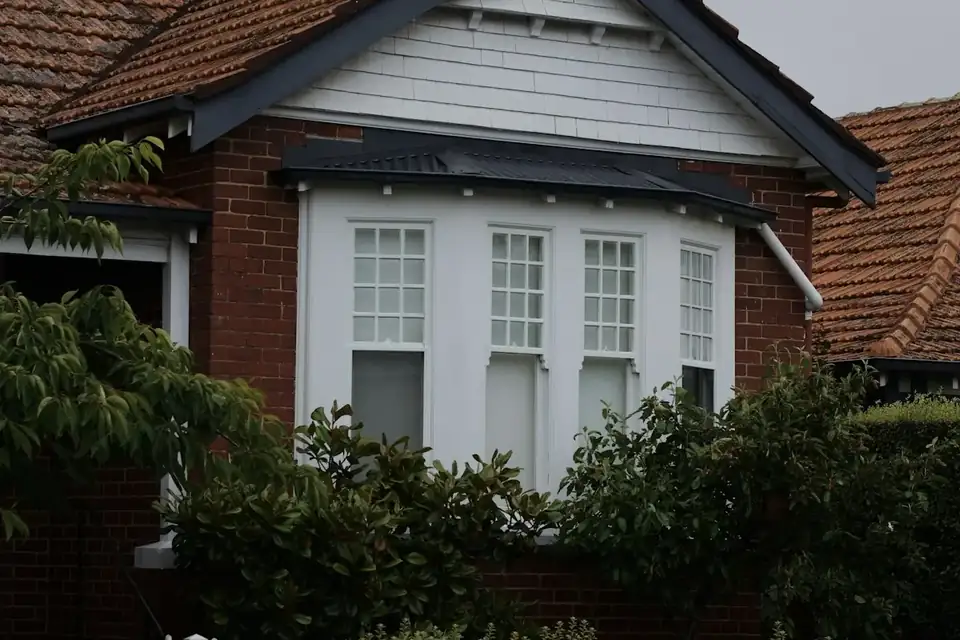
A Federation-era house with a tiled roof and front garden
In Rodd Point, houses make up 92.4% of homes, terraces and semis 6.1% and apartments 0.0% (ABS Census 2021).

What Rodd Point is built of

Rodd Point is house country: 92.4% of dwellings are freestanding, against 65.6% for NSW. Owners here often build equity faster than they expect, which opens a top-up, a renovation or help for family later. Rodd Point is an owner-occupier suburb: just 10.9% of homes are rented.

Fewer rentals also means less investor competition at auction than in apartment suburbs nearby. At 516 homes, Rodd Point is one of the smaller suburbs nearby, which can make a valuation the slowest part of the loan.

  • Postcode2046
  • CouncilCity of Canada Bay
  • From the Sydney CBD9 km west
0.0%

apartments NSW 21.7%

92.4%

separate houses NSW 65.6%

6.1%

terraces and semis NSW 11.7%

10.9%

rented NSW 32.6%

39.3%

with a mortgage NSW 32.5%

516

private dwellings

Source: ABS Census 2021, Suburbs and Localities (SAL13406).

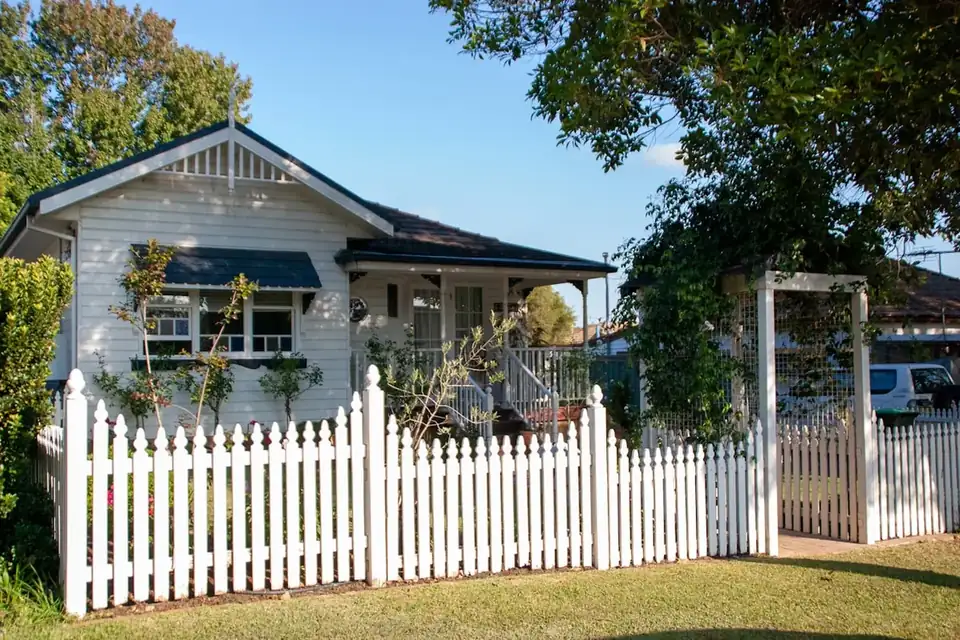
A cottage behind a picket fence

How would an investment loan in Rodd Point stack up?

Will the rent cover it?

Will the rent cover it?

The first question every Sydney investor asks, repayments against rental income, the way a lender sees it.

$700,000
6.10%
$650
  • Repayments (P&I, 30 years)$4,242/mo
  • Rent a lender counts (~80%)$2,253/mo
  • Monthly gap to cover−$1,989

A gap isn’t a dealbreaker, negative gearing, interest-only periods and offset structure change the cash-flow picture. That’s the conversation.

Estimates only, rates, vacancy, costs and tax change the real picture. Not credit or tax advice.

Confirm your numbers.

Charles Touma, mortgage broker at Links Property Finance

Real outcomes for real borrowers.

★★★★★
Charles and the team recently assisted me with the refinance of my investment property.
Max Google review
★★★★★
Charles at Links Property Finance made buying our first home so much easier than we expected. As first home buyers, we had a lot of questions around borrowing capacity, our deposit and the different government schemes available to us. Charles explained everything clearly, compared different lenders and kept us updated throughout the whole process. He was always easy to reach and made sure we understood what was happening from pre approval right through to getting our home loan approved. We would definitely recommend Links Property Finance to anyone looking for a mortgage broker, especially first home buyers who want someone to guide them through the process.
Michael Google review
★★★★★
Had a great experience with Charles at Links Property Finance. He made the whole home loan process straightforward and easy to understand, kept me updated throughout and was always quick to answer any questions.
Louie Google review

Investing with home equity from Rodd Point

Usable equity is not the full value of your home minus the loan. Lenders generally let you borrow up to about 80 per cent of the home’s value without lenders mortgage insurance, so usable equity is roughly that figure less what you already owe.

It still has to be serviceable: your income, and part of the expected rent, must support the new borrowing.

The released equity typically funds the deposit and buying costs on the investment, with a separate loan against the investment property for the rest.

Keeping those loans distinct, rather than securing both properties together, tends to make later changes simpler, such as selling one property or refinancing. Estimate your usable equity

Terrace houses along a tree-lined street

Owners and equity in Rodd Point

A Sydney house with a red tiled roof
  • Links Property Finance is based in Enfield, a short drive south-west of Rodd Point.Conversations run by phone and video, and the first one is about what you want the equity to achieve.
  • Almost half of Rodd Point’s homes are owned outright, well above the New South Wales figure.That is a lot of unused equity, and using it well depends on structure as much as amount.

Separate or linked securities

Keys being handed over
  • A standalone structure keeps each loan secured by its own property.It usually makes selling or refinancing one property simpler, without the lender revaluing the other.
  • A cross-collateralised structure links properties with the same lender.It can look simpler at first, but it gives the lender more say when you want to change something later.

Iron Cove, Rodd Park and Rodd Point houses

Rodd Point lies about nine kilometres west of the city in the City of Canada Bay, on Iron Cove off the Parramatta River, beside Five Dock and Russell Lea. Just offshore is Rodd Island, a small island in Iron Cove.

Rodd Park, known locally as the Point, sits at its tip beside the Dobroyd Aquatic Club, and the Bay Run passes alongside it.

How much equity can I use?

Start with the home’s likely value, take 80 per cent of it and subtract what you owe.

That is roughly the equity a lender may release without lenders mortgage insurance, subject to your income supporting the new debt, and the lender’s own valuation sets the final figure.

Borrowing the maximum is rarely wise. Leaving a margin protects you if values dip or rates rise, and keeps options open for later. Home equity calculator.

A brick house with a gabled roof

Why structure matters?

When two properties secure the same loans with one lender, a change to either can involve both: a revaluation of the other property, a new approval and sometimes a partial repayment. Separate loans secured by separate properties are usually easier to manage over time.

The loan used to buy an investment should also be kept distinct from personal borrowing, because how money was used often matters for tax. That is a question for your accountant, and it is easier to get right at the start. Investment loans explained.

Serviceability with a second property

Equity makes the deposit possible, but income decides the loan. The lender assesses your existing home loan, the new investment loan at a buffer above the actual rate, your living expenses and part of the expected rent together.

Owners with a small or cleared home loan often have room, but a long investment loan late in a career still needs an explanation of how it will be repaid. Check your borrowing power.

Standalone, linked or two lenders?

Three ways to arrange loans across two properties, and what each means.

  • Standalone securities. Each property secures its own loan, even if both are with the same lender. Selling or refinancing one usually leaves the other untouched.
  • Cross-collateralised. Both properties secure the combined borrowing together. Simpler to set up, but later changes can involve both properties.
  • Two lenders. The home loan and the investment loan sit with different lenders. Keeps things separate, with a little more to manage.
A row of red-brick terraces

What should I check before investing with equity from Rodd Point?

The groundwork that keeps two properties easy to manage.

  • A realistic home valueRecent nearby sales give a working figure for the equity.
  • A comfortable bufferLeave some equity unused, rather than borrowing the maximum.
  • The loan structureDecide which property secures which loan before applying.
  • A rent estimateAn agent’s appraisal for the investment property.
  • Tax adviceHow the loans should be set up, from your accountant.
  • A repayment planEspecially if the new loan runs beyond your working years.

Common questions about using equity in Rodd Point

How do I work out my usable equity?

Take roughly 80 per cent of your home’s value and subtract your current loan. That is approximately what a lender may release without lenders mortgage insurance. Your income must still support the new borrowing, and the lender’s valuation sets the final figure.

Can I use equity for the whole deposit on an investment?

Often, yes. Released equity commonly covers the deposit and buying costs, with a separate loan against the investment for the rest. It depends on how much equity you have and whether your income supports both loans.

What is cross-collateralisation?

It is when more than one property secures the same borrowing with one lender. It can make setting up simpler, but when you later want to sell or refinance one property, the lender may revalue the other and ask for changes. Many borrowers prefer to keep each property’s loan separate.

Should the investment loan be interest-only?

It depends on your plans. Interest-only keeps repayments lower for a period while the balance stays the same, and repayments rise when it ends. Some investors prefer to reduce their home loan first. Compare both over the full term, and ask your accountant about the tax side.

Does my age affect borrowing against my home to invest?

It can. If the new loan runs beyond the time you expect to keep working, the lender asks how it will be repaid, whether through selling the investment, other assets or continuing income. A clear plan in the application helps.

Will the lender value my Rodd Point house?

Yes. To release equity, the lender values your home. With almost every home in Rodd Point a separate house, a valuer usually has comparable sales to work from, though waterfront positions and larger blocks can make each one a little different.

Talk to a broker about your Rodd Point home loan

Thirty minutes with Charles: what you could borrow, which lenders suit Rodd Point property and what to do next. Free, with no credit check.

Prefer a callback?

Charles Touma, mortgage broker at Links Property FinanceCharles calls back within one business day. No documents needed yet.

A family in front of the sold sign at the home they bought together
Charles Touma, mortgage broker at Links Property Finance
Reviewed by Charles Touma Director & Mortgage Broker · MFAA member · Credit Representative 579003 under ACL 389328 About Charles · MFAA register · ASIC register · Complaints processEvery page is reviewed by Charles before it is published and checked against current lender policy and the official scheme pages linked where figures appear.

General information only, not credit or financial advice. Lender policies and government scheme criteria differ and change over time. All lending is subject to individual assessment and approval.