



Mortgage Broker Concord West
Concord West is quiet streets, full blocks and families planning their next decade, which is why so much of the lending here is construction: knock-down-rebuilds, major extensions, duplex projects. Construction loans run on different rails from ordinary mortgages, and Charles Touma sets them up so the build gets funded the way builders actually invoice.

A family suburb that rebuilds itself
Links Property Finance serves Concord West as part of our Inner West service area, phone, video, in person when it helps. No local office, no claims of one.
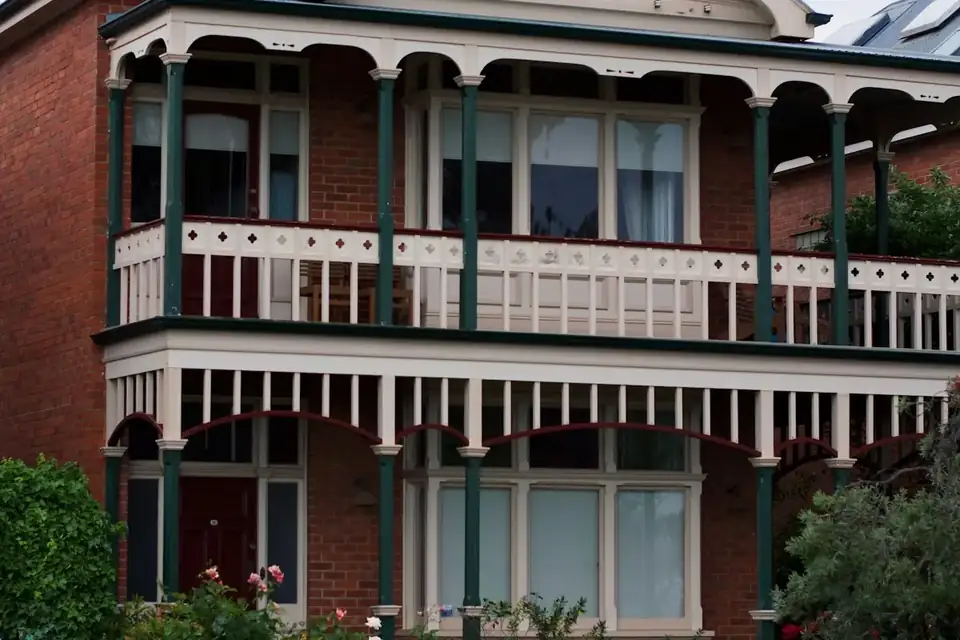
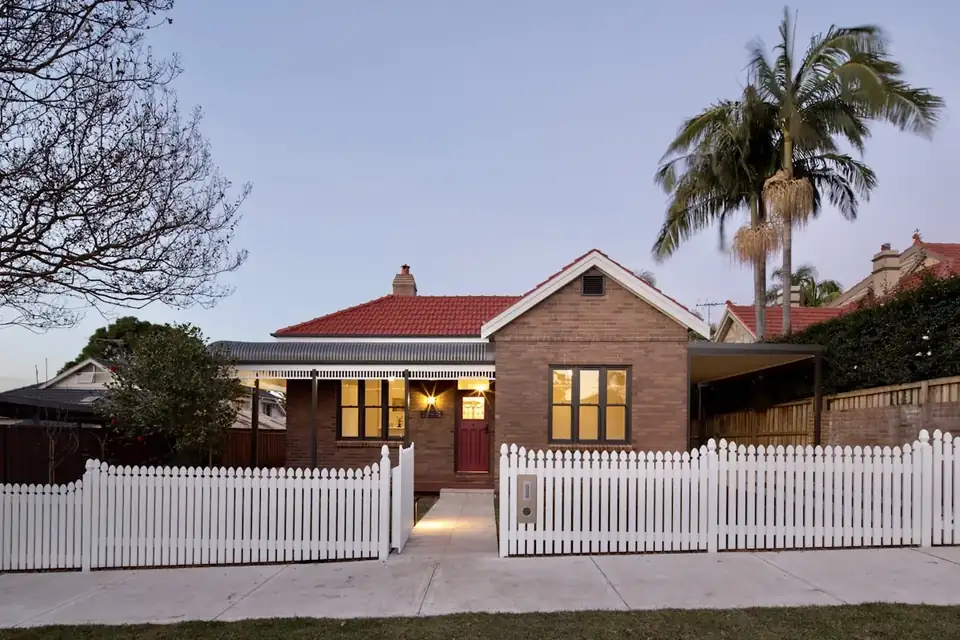
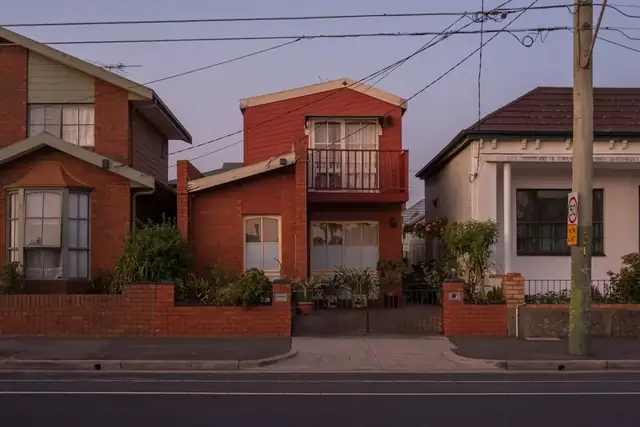
Between Queen Elizabeth Park and the rail line, the housing stock is largely post-war homes on generous land. Increasingly, the land is the point: families buy for the block and rebuild for the decades, which makes construction finance the suburb’s quiet specialty.
Construction loans are a different product
An ordinary mortgage advances once, against a finished home. A construction loan advances in stages, slab, frame, lock-up, fit-out, completion, against a fixed-price building contract, with the lender’s valuer confirming each stage before funds move.
During the build you generally pay interest only on what’s been drawn. The product works beautifully when the contract, the builder’s paperwork and the loan structure line up at the start, and becomes friction at every progress claim when they don’t.
First home buyers around Concord West
Getting into a house suburb
First purchases here are usually the smaller post-war homes or the occasional villa, and the deposit is the wall. A family guarantee lets parents’ equity stand in for cash without money changing hands, and it releases once your own equity is established. For many Concord West families it is how the next generation stays local.
The scheme, where it fits
The 5% Deposit Scheme’s Sydney cap is $1.5 million; a share of Concord West’s entry stock sits within reach of it, and duty relief can apply below $1 million. Where prices run past the caps, guarantor and gifted-deposit routes carry more of the load. Compare pathways at your price.
Knock-down-rebuild finance, step by step
What lenders need, in the order they need it.
Land value plus build contract
The lender values the completed project: your land plus the fixed-price building contract. Owner-builder projects and cost-plus contracts are much harder to finance, most lenders want an HIA or Master Builders fixed-price contract from a licensed builder before anything moves.
Progress payments
Funds release at certified stages, after inspection. Your builder’s payment schedule must match the lender’s stages, a mismatch discovered mid-build is the classic cause of site delays that money can’t immediately fix.
Living somewhere meanwhile
Rent during the build is part of the project cost lenders assess. If you’re holding the old home and building elsewhere, or demolishing the home you owe money on, the structure needs care: the existing loan, the land and the build all have to be choreographed.
Variations and buffers
Every build changes along the way. Lenders fund the contract, not the dream, so variations beyond the approved amount come from your pocket. A genuine contingency, held in cash or offset, not hoped for, is part of a properly structured construction loan.
Extending instead of rebuilding
Not every project needs the bulldozer. Major renovations can be financed through equity release at the simpler end or a construction facility at the structural end, the threshold is usually whether a fixed-price contract and progress claims are involved. See what your current equity could fund.
The duplex question
Concord West’s block sizes make dual-occupancy projects tempting: build two, keep one, sell one. Lenders assess these as construction plus an exit plan, and the tax and subdivision questions belong with your accountant and conveyancer early, finance is the middle of that conversation, not the start.
Useful tools before you start looking
Usable equity
What your land or current home can contribute to the build.
OpenBorrowing power
Capacity including the build contract and rent-during-build.
OpenRepayments
Interest-only during the build, principal and interest after.
OpenExtra repayments
What paying ahead after completion saves over the term.
OpenGuarantor
How family equity can replace the cash deposit.
OpenCan I afford this property?
Full costs on a Concord West purchase.
OpenTwenty minutes with Charles sorts the structure.
Bring the Concord West plan, the purchase, the build, the switch, and leave with the lending mapped: which lenders fit, what it costs monthly and what to do first. Free, no obligation.
Prefer a callback?Charles calls back within one business day. No documents needed yet.

Why people work with Links
Common questions about buying in Concord West
How is a knock-down-rebuild loan structured?
As a construction loan against your land plus a fixed-price building contract. The lender values the completed project, releases funds at certified stages, and you pay interest only on the drawn balance during the build. On completion it converts to an ordinary home loan. The structure is standard; the execution depends on the contract and builder paperwork being lender-ready before you sign.
Can I finance a rebuild if I still owe money on the existing house?
Yes, and it’s common, the existing loan is refinanced into the construction facility, because demolishing a lender’s security without their involvement is not an option. The sequencing matters: approval first, then demolition, never the reverse.
Do lenders finance owner-builders?
A small number will, at lower loan-to-value ratios and with heavier evidence requirements. Most prefer a licensed builder on a fixed-price contract, because the lender’s security during the build is a half-finished house. If you’re set on owner-building, the lender shortlist gets short early, better to know that before the plans do.
What happens if my build goes over budget?
The lender funds the approved contract plus formally approved variations, not the overrun. Anything past that comes from your cash. This is why construction lending is planned with a contingency buffer from day one, and why quotes that look too sharp to be true cost more than honest ones.
Is a duplex build financed differently from a single home?
The construction mechanics are the same, but lenders look harder at the end value, your intent, keep both, sell one, sell both, and the subdivision path. The exit plan shapes the product: what suits build-and-hold differs from build-and-sell. Bring the whole plan, not just the build cost.
We’re a young family, can parents help without handing over cash?
That is precisely what a family guarantee does: a parent’s equity secures part of your loan, no cash moves, and the guarantee releases once your own equity reaches the threshold. It carries real obligations for the guarantor and deserves proper advice on their side too. The full guide explains both sides.
General information only, not credit or financial advice. Lender policies and government scheme criteria differ and change over time. All lending is subject to individual assessment and approval.
Start with your buying position.
Building, buying or both, see your position before the plans get expensive.