Self-employed and buying in Homebush West: which documents do lenders accept?
Two years of tax returns and notices of assessment for full documentation; the latest year with some lenders; BAS, business bank statements and an accountant’s declaration for low doc.
Read more
Most Homebush West homes are apartments, so the lender also has to accept the building and unit size.
Homebush West housing mix: 5.0% houses, 1.9% terraces and semis, 92.4% apartments (ABS Census 2021).
Homebush West by its homes
Homebush West is an apartment suburb first: 92.4% of its homes are units. Ask for the strata report early on any unit here: special levies and disputes change the loan conversation more than the rate does. With 60.9% of households renting, Homebush West is a tenant market. High rental demand here helps an investment loan, because lenders count part of the expected rent toward servicing.
Postcode2140, 2129
CouncilMunicipality of Strathfield and Cumberland City Council
From the Sydney CBD13 km west
Homebush West
NSW
Separate housesTownhouses and semisApartments
92.4%
apartments NSW 21.7%
5.0%
separate houses NSW 65.6%
1.9%
terraces and semis NSW 11.7%
60.9%
rented NSW 32.6%
27.2%
with a mortgage NSW 32.5%
3,898
private dwellings
Source: ABS Census 2021, Suburbs and Localities (SAL11937).
What stamp duty would you pay in Homebush West?
NSW first home buyer stamp duty
NSW first home buyer stamp duty
Transfer (stamp) duty$0Exempt under the First Home Buyers Assistance Scheme, saving $27,937
$750k
$800k$1m
No dutyConcessionFull duty
Full duty, no concession$27,937
You pay$0
Assumes an eligible NSW first home buyer purchasing an existing home under the First Home Buyers Assistance Scheme (exempt to $800k, concession to $1m). Indicative only, check Revenue NSW for your exact position.
Paperwork and finances were never my strong suit. He has made this process as simple and dummy proof for me as humanly possible. This is not the first time I use a mortgage broker, however it was the easiest and most pleasant.
I honestly couldn’t recommend Links Property Finance and Charles highly enough. After speaking with others who weren’t able to help me, Charles went above and beyond to understand my situation…
Had a great experience with Charles. He made the home loan process straightforward, was always easy to communicate with, and really knew his stuff. Would definitely recommend Charles and the team!
Self-employed income and borrowing in Homebush West
For a business owner, a lender usually wants to see income through tax returns and notices of assessment, often for the last two years, and business financials if you trade through a company or trust.
The figure it uses is typically taxable income, with some expenses such as depreciation added back, so heavy tax planning can reduce what counts.
Where returns are not yet lodged, or do not reflect current trading, some lenders offer alternative documentation loans using business activity statements, bank statements or an accountant’s letter.
These usually need a larger deposit or carry a higher rate, so they suit some situations better than others. Self-employed lending in detail
Charles Touma, Mortgage Broker.
Business owners in Homebush West
Links Property Finance is based in Enfield, a short drive south-east of Homebush West.Conversations run by phone and video, early or late, to suit trading hours.
More than nine in ten Homebush West homes are apartments.That makes strata reports, levies and apartment size policy part of almost every purchase here.
What counts as business income?
Taxable income, with some items added back.Lenders often add back depreciation and certain one-off costs, which can lift the figure they use.
Consistency across years.A drop in the latest year usually needs an explanation, and some lenders use the lower of two years.
Sydney markets, the Crescent and Homebush West housing
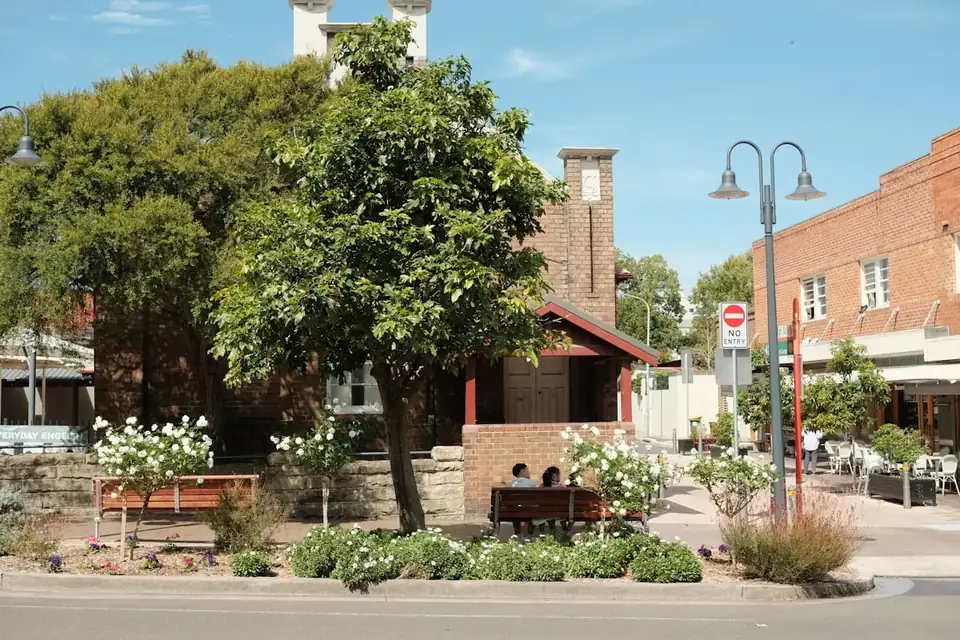
Homebush West lies about thirteen kilometres west of the city in the Municipality of Strathfield, with a small unpopulated area in Cumberland Council. The village centre, a cluster of shops on The Crescent and Henley Road, sits beside Flemington station.
North of the railway are Sydney Markets, established in 1975 and commonly called Flemington Markets, while the residential part of the suburb lies mostly south of the line.
The area took its early name from John Fleming, granted land here in 1806, and was listed under Strathfield for much of the twentieth century before being gazetted as Homebush West in 1992.
When a Homebush West buyer is self-employed, Links compares a panel that includes Resimac, Macquarie, ANZ, ING and Westpac.
Read the full detail
The area took its early name from John Fleming, granted land here in 1806, and was listed under Strathfield for much of the twentieth century before being gazetted as Homebush West in 1992.
West of the markets stood the Ford car factory, which operated from 1935 until 1994. Today the suburb’s homes are overwhelmingly apartments.
When a Homebush West buyer is self-employed, Links compares a panel that includes Resimac, Macquarie, ANZ, ING and Westpac.
Example scenario (illustrative, not a real client): a couple who trade at the markets through their own company want a two-bedroom apartment nearby.
Before looking, they ask their accountant for the last two years of company and personal returns, list what they draw from the business, and check which lenders assess company income the way their accounts are set up.
Sole traders, companies and trusts
A sole trader’s income appears on their personal tax return. A company or trust owner may pay themselves a wage, take distributions or leave profit in the business, and lenders differ on how much of the business’s own profit they will count as yours.
Company and trust financials, along with the personal returns of each owner, are usually needed. When profit is retained in the business, some lenders include your share of it and others count only what you draw. When structures get complicated.
Alternative documentation loans
If your returns are behind, or your business has grown since the last one, an alternative documentation loan may help.
Lenders offering these use business activity statements, business bank statements or an accountant’s letter to verify income, usually for a registered business that has traded for a minimum period.
These loans usually need a larger deposit and may carry a higher rate, and not every lender offers them. They can be a stepping stone, with a refinance to a standard loan once your returns are up to date. Estimate income from BAS.
Tax planning and borrowing power
Reducing taxable income lowers your tax, but it also lowers the income a lender sees. Owners planning to borrow in the next year or two sometimes discuss that trade-off with their accountant before lodging returns.
Add-backs can help. Lenders commonly add back depreciation and certain one-off expenses, and knowing which add-backs a lender accepts makes a real difference to the figure it uses. Accountant letter template.
Full documentation, alternative documentation or wait?
Three paths Homebush West business owners weigh, and what each means.
Full documentation. Tax returns and notices of assessment, usually for two years, with the widest choice of lenders. The sharpest pricing is usually on this path.
Alternative documentation. Activity statements, bank statements or an accountant’s letter instead of returns. Usually a larger deposit or higher rate, and fewer lenders.
Wait and lodge. Lodging an overdue or stronger return first can widen your options. Worth considering when the latest year is much better than the last one lodged.
What should I check before buying in Homebush West?
The groundwork that lets business income count.
Two years of returnsPersonal and business, with notices of assessment.
Financial statementsFor any company or trust, prepared by your accountant.
Activity statementsRecent BAS, especially if the latest return is not yet lodged.
Business bank statementsA few months, showing regular trading.
Any tax debtThe amount owing to the tax office, and any payment arrangement.
The strata reportFor an apartment, levies and any planned building works.
Common questions about buying in Homebush West
How many years of tax returns do self-employed borrowers need?
Usually two years, with notices of assessment, though some lenders accept one year if you have a longer history in the same line of work. Business financials are needed as well if you trade through a company or trust.
Can I get a loan if my latest tax return is not lodged?
Possibly. Some lenders will use your last lodged return alongside current business activity statements, and others offer alternative documentation loans. Lodging the return first often widens your choice and can improve the terms.
What is a low doc or alternative documentation loan?
It is a loan that verifies self-employed income without full tax returns, using business activity statements, business bank statements or an accountant’s letter. These loans usually need a larger deposit or carry a higher rate, and fewer lenders offer them.
Do lenders count the profit my company keeps?
Some do: lenders differ on whether retained profit in a company or trust counts as your income, or only what you draw as wages and distributions, which makes a significant difference for owners who leave money in the business.
What are add-backs?
Add-backs are expenses a lender adds back to your taxable income because they do not reflect cash you have spent or will keep spending, such as depreciation and some one-off costs. Which add-backs are accepted varies by lender, and they can lift the income figure noticeably.
Does a tax debt stop me getting a home loan?
Not necessarily, especially if it is on a payment arrangement and being paid on time. Lenders will ask about it and count the repayments. A large or unmanaged tax debt makes lending harder, so it is worth sorting out before applying.
Talk to a broker about your Homebush West home loan
One free call covers what you could borrow in Homebush West, the lenders that suit the property you want and the order to do things in.
Reviewed by Charles ToumaDirector & Mortgage Broker · MFAA member · Credit Representative 579003 under ACL 389328About Charles · MFAA register · ASIC register · Complaints processEvery page is reviewed by Charles before it is published and checked against current lender policy and the official scheme pages linked where figures appear.
General information only, not credit or financial advice. Lender policies and government scheme criteria differ and change over time. All lending is subject to individual assessment and approval.