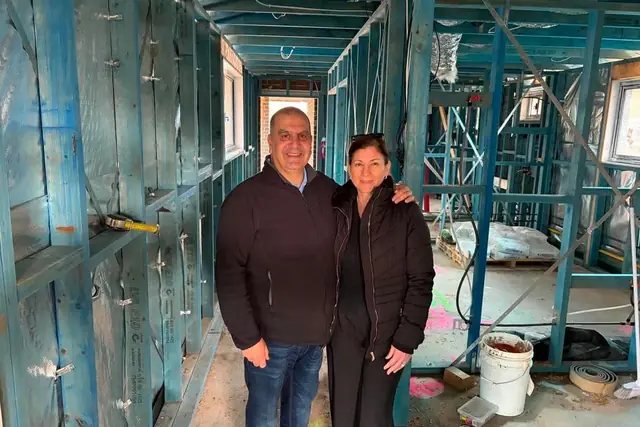



Off-the-plan finance, from exchange to keys
An off-the-plan contract commits you today to settle a property that doesn't exist yet, often a year or more from now. The finance can't simply be "arranged" at exchange and forgotten: it has to be planned across the whole timeline. Here is that timeline, honestly.
The off-the-plan timeline
Why you can't just "get approved" at exchange
Formal loan approvals generally hold for around 90 days. An off-the-plan settlement may be 12 to 24 months away, so whatever assessment you obtain at exchange will have expired several times over before the building registers. What you genuinely have at exchange is an informed plan: verified capacity today, and a strategy for keeping it true.
The discipline through the construction period is unglamorous: keep the job, keep the savings pattern, avoid new debts and card limits, and tell your broker before any big change, not after. The buyers who settle smoothly are the ones whose finances at completion still look like their finances at exchange.
The settlement valuation is the pivotal number
Your lender values the finished apartment at completion, against the resales and comparable stock of that moment, not against your contract price from a year earlier. If the market has softened, or the building's own early resales print low, the valuation can land under your contract price, and the gap is yours to fund in cash. This is the single most important risk to plan for, and the plan is a buffer: cash beyond your deposit, sized honestly. Our valuation shortfall page covers the recovery options if it happens.
Sunset clauses and the long build
The sunset clause sets the date by which the development must complete before either party can rescind. Your conveyancer reads its terms; your finance plan should note its horizon, a build drifting toward its sunset date is also a build through which your circumstances, lender policies and interest rates have all had longer to move.
Schemes, grants and sequencing
Off-the-plan purchases can work with the first home buyer support stack, the 5% Deposit Scheme within its price cap and timing rules, and the First Home Owner Grant on new homes within its own caps, but the sequencing is real: scheme places attach to applications, approvals expire, and completion dates move. Structure the scheme strategy before exchanging, then re-confirm as completion approaches. Start with the eligibility checker.
Where this comes up locally
The mechanics above play out constantly along the new-build corridors we cover: Five Dock, the Rhodes peninsula, Dulwich Hill's light-rail stock and the townhouses of Mortlake, each page adds the building-type specifics.
Useful tools for this scenario
Off-the-plan finance questions
Can I lock in a loan now for a settlement in two years?
No lender formally approves that far ahead, approvals hold around 90 days. What you can do now is verify your position properly, plan the deposit and buffer, and set the timeline for refreshing the application as completion approaches. That plan, kept current, is what off-the-plan finance actually is.
What happens if my circumstances change during the build?
Your settlement obligation doesn't change, the contract is unconditional, but your financing options might. A job change onto probation, new debts or a reduced income all reshape the application you'll lodge at completion. Changes aren't always avoidable; unmanaged changes are. Tell your broker early and the structure can usually adapt around them.
What if the valuation at completion is less than my contract price?
The lender lends against the valuation, so the difference comes from your funds, which is why the buffer is planned at exchange, not discovered at settlement. If it happens, the options are the same as any shortfall: cash, challenge, a different lender's valuation, or restructure. The full option list is here.
Is the 10% deposit at exchange negotiable?
Sometimes, some developments accept 5%, and deposit bonds or bank guarantees are accepted in some contracts where cash is inconvenient. Each variation has costs and conditions, and acceptance is the developer's call. Ask before exchange; the answer is contractual, not standard.
Do I need my finance sorted before signing an off-the-plan contract?
You need your finance understood before signing: capacity verified, deposit and buffer planned, scheme strategy set, and the completion-time risks priced. The formal approval comes later by necessity. Signing an unconditional contract on the assumption that "the loan will sort itself out at settlement" is how off-the-plan stories go wrong.
Related guides
General information only, not credit or legal advice. Contract terms, deposit requirements and sunset provisions vary by development and are matters for your conveyancer. Scheme and grant settings change and are assessed by the administering bodies and your lender at the relevant time.
Before you sign in the display suite.
Twenty minutes with Charles maps the whole timeline: deposit, buffer, scheme sequencing and the completion-time plan. Free, and considerably cheaper than finding out later.
Prefer a callback?Charles calls back within one business day. No documents needed yet.