Mortgage Broker Haberfield
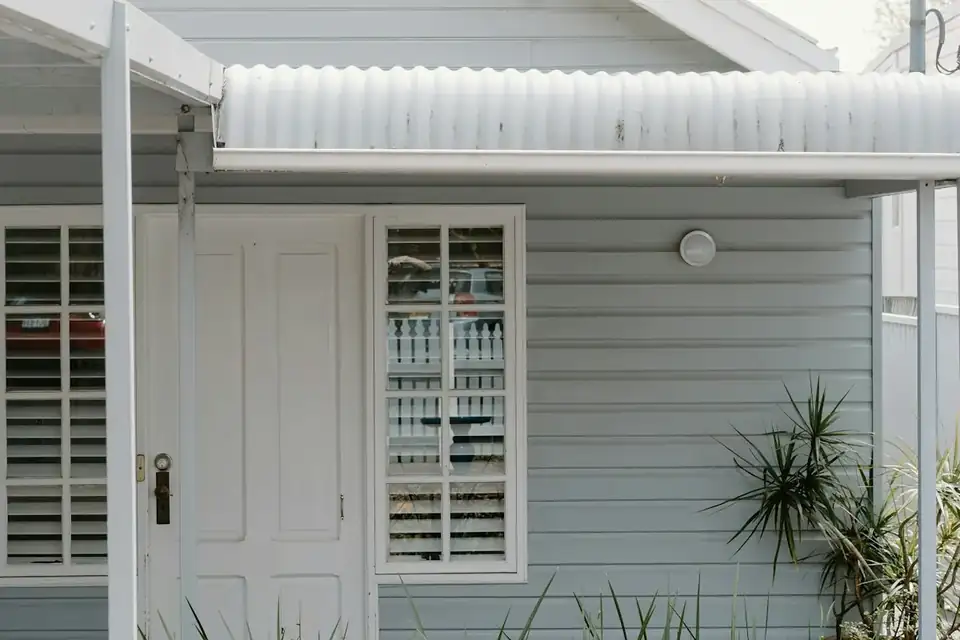
Haberfield is the Inner West’s garden suburb, a heritage conservation area of Federation homes on full blocks, where what you may build is shaped by what the street already is. Renovation finance here follows the approvals, and Charles Touma structures lending that respects both the house and the process.

The suburb that conserved itself
Links Property Finance serves Haberfield within our Inner West service area, phone, video and in person when useful. Coverage, not a shopfront.
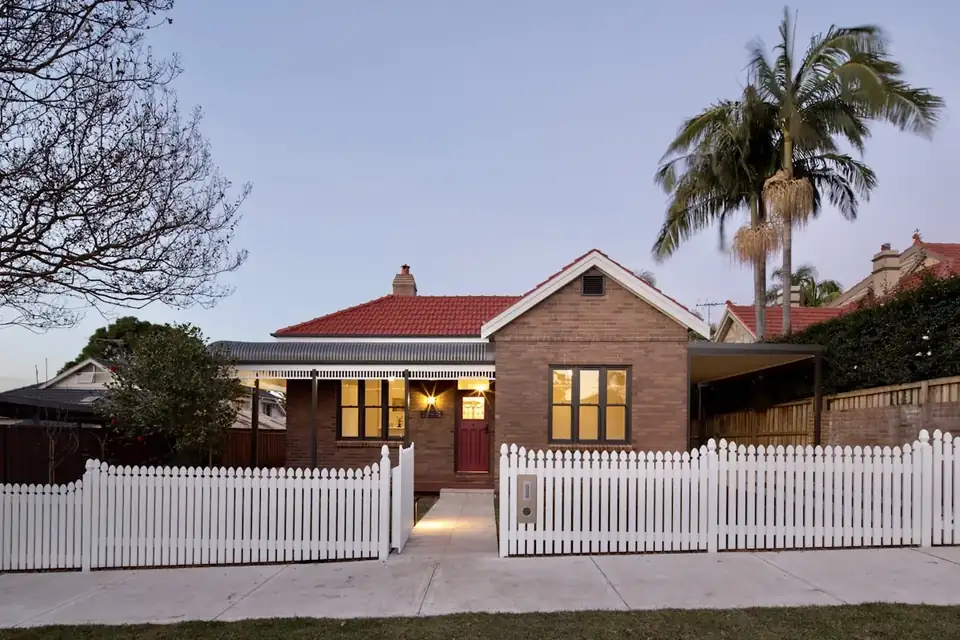
Federation architecture, intact streetscapes, blocks that never got subdivided: Haberfield’s consistency is protected deliberately, with conservation controls across the suburb. Owners buy knowing the deal, a beautiful constraint, financed accordingly.
What conservation status means for money
Lenders don’t discount heritage suburbs, quite the opposite; scarcity and streetscape hold value famously well here. What changes is the renovation path: approvals take longer, designs answer to character controls, and budgets meet specialist trades.
Finance that assumes a quick cosmetic flip mis-prices Haberfield. Finance that follows an approved scope with honest contingency fits it exactly.
Renovating under conservation controls
The finance mechanics, matched to the heritage process.
Approvals before drawdowns
Character-sensitive works run through longer approval paths than standard renovations. Structure the finance to draw when approvals land, not before, so interest isn’t running on money that can’t legally be spent yet.
Specialist trades, honest quotes
Matching brickwork, joinery and roofing to Federation standards costs more than modern equivalents, and valuers know it. Fixed-price contracts from builders who work heritage streets keep both the lender and the budget calm.
End value in a protected street
Conservation cuts both ways in valuation: improvements aligned with the streetscape hold value strongly; over-modernised interventions can be discounted against the suburb’s character premium. The “as if complete” valuation rewards sympathetic scope.
Equity release vs construction facility
Restorations of kitchens, wiring and wet areas fund cleanly from equity release. Extensions and structural works, pergolas to rear wings, belong in a staged construction facility. The contract shape decides, as everywhere. The mechanics in detail.
Buying a Haberfield home
Full blocks and intact homes trade tightly held and auction-priced, larger-loan territory where preparation is the edge: pre-approval, contract review, a ceiling set with the building report’s findings priced in. The valuation dynamics of tightly held stock mirror our Drummoyne notes, thin comparables, judgement calls, buffers.
Family lending across generations
Haberfield homes stay in families, and so does the equity: guarantees for children’s first purchases and documented gifted deposits are everyday structures here. Both work; both deserve their paperwork. Guarantees explained for both generations.
Useful tools before you start looking
Usable equity
What a long-held Haberfield home can fund.
OpenBorrowing power
Capacity for purchase or renovation top-up.
OpenRepayments
Monthly position at Haberfield loan sizes.
OpenExtra repayments
Retiring the works loan ahead of term.
OpenGuarantor
Family equity behind the next generation.
OpenCan I afford this property?
A full-block purchase, fully costed.
OpenTwenty minutes with Charles sorts the structure.
Bring the Haberfield plan, the purchase, the build, the switch, and leave with the lending mapped: which lenders fit, what it costs monthly and what to do first. Free, no obligation.
Prefer a callback?Charles calls back within one business day. No documents needed yet.

Why people work with Links
Common questions about buying in Haberfield
Do lenders lend differently in a heritage conservation area?
The lending itself is standard, heritage suburbs are prized security. The differences are practical: renovation approvals take longer, works cost more, and valuers reward scope that fits the streetscape. Structure finance to the approved plan and Haberfield borrows beautifully.
Can I knock down and rebuild in Haberfield?
Conservation controls make demolition of contributory homes essentially a non-starter, the suburb’s whole premise is retention. Projects here are restorations and sympathetic extensions, and the finance should be scoped for that reality rather than a rebuild fantasy the council will never approve.
Does heritage status make my renovation more expensive to finance?
The finance costs the same; the works cost more, matching materials, specialist trades, longer timelines. That flows into finance as a larger, longer facility with contingency, not a different interest rate. Budget honestly at the start and the heritage premium stays a known number.
Is a Haberfield purchase realistic for first home buyers?
The full-block homes generally price beyond scheme caps, making family support, guarantees, gifted deposits, the realistic levers for a first purchase here. The occasional smaller holding or unit nearby brings the ordinary pathways back into play. Honest answer: this is more often a second-home suburb with first-home help from within the family.
What should a building inspection focus on in a Federation home?
The century-old fundamentals: roof structure and slates, damp courses, original wiring and plumbing, subfloor condition. Cosmetic authenticity is visible; structural authenticity is what the inspector and then the valuer price. Findings belong in your offer, as everywhere old houses trade.
What does Links charge?
No broker fee on most home loans, the lender pays a commission at settlement, disclosed in writing before you apply.
General information only, not credit or financial advice. Lender policies and government scheme criteria differ and change over time. All lending is subject to individual assessment and approval.
Start with your buying position.
Restoring, extending or buying in, structure the finance around the approvals.