Mortgage Broker Dee Why
Dee Why is where the Northern Beaches actually lets people in: a unit corridor of new mid-rises and older walk-ups at prices the government schemes genuinely cover. The lending questions are apartment questions, strata quality across building generations, off-the-plan tranches, and making the schemes land.

Helping buyers, owners and investors in Dee Why
Links Property Finance works across the Northern Beaches by phone, video and in person when it helps. Dee Why's centre has rebuilt itself around apartments, town-centre mid-rises above retail, newer blocks along the arteries, and the older walk-up stock that has carried the suburb for decades.
The buyer mix follows the stock: first-timers using the schemes, downsizers trading peninsula houses for lift access, and investors following the Beaches' permanently thin vacancy.
Choosing between building generations
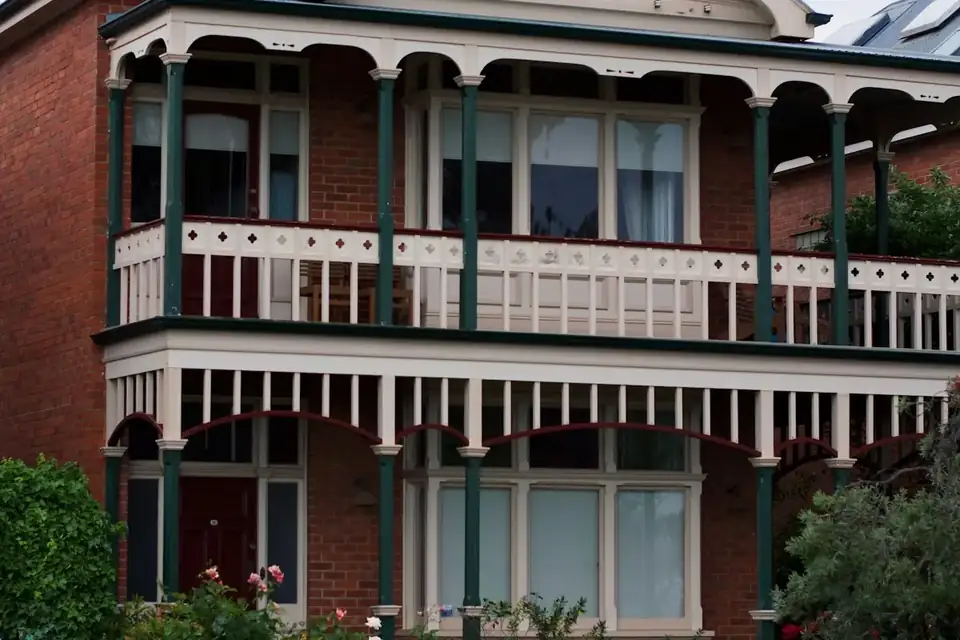
The corridor's real decision is rarely suburb, it is building era. New mid-rises carry young strata records, higher levies for lifts and lobbies, and occasionally incentive-inflected pricing. The older walk-ups trade cheaper with long records, lower levies and older bones.
Lenders finance both conventionally; valuers and levies treat them differently, and the ten-year cost comparison deserves actual numbers. The full-cost calculator runs it in minutes.
Making the schemes land in Dee Why
This is one of Sydney's best suburbs for turning government support into an actual settlement.
The 5% scheme, fully used
The $1.5 million Sydney cap covers essentially all of Dee Why's units, five per cent down, no lender's insurance, no income caps. Eligibility checked first, place secured with the application. Start here.
Duty relief in range
Exemption to $800,000, concession to $1 million, bands that hold a real share of corridor stock. Run your price.
Off-the-plan tranches
New corridor projects sell in stages with long settlements, scheme places, approval currency and completion have to be sequenced. The guide.
Help to Buy, live
The shared-equity scheme adds another door at lower deposits for buyers inside its income and price caps. We check current settings against your position.
The corridor, building by building
Four things worth reading before you offer on any Dee Why unit.
Levy history, sinking fund, works planned. New buildings show adequacy; old ones show history. Both get read before auction, because the valuer reads them after.
Buildings weighted to owner-occupiers tend to keep better records and better values, one of the quiet numbers in a strata report worth noticing.
A car space and 50-plus square metres keep every lender available. Missing either narrows the list, navigably, but knowingly.
Beaches vacancy runs thin, and the corridor is its rental engine. Investment lending assesses rental income conservatively; the numbers still often work.
Useful tools before you start looking
Borrowing power
What a lender might advance against your income and commitments.
OpenCan I afford this property?
Put in a Dee Why price and see deposit, duty, costs and repayments.
OpenNSW stamp duty
First home buyer relief applied at any price point.
OpenDeposit strategy
Five, ten or twenty per cent, what each changes on the same purchase.
OpenRepayments
Monthly principal and interest at any loan size, rate and term.
OpenUsable equity
What your current place could contribute to the next one.
OpenGet your free First Home Buyer Report
Your deposit position, what a Dee Why unit actually costs, which schemes fit and what to do next. Free, no credit check.
Prefer a callback?Charles calls back within one business day. No documents needed yet.

Why people work with Links
Common questions about buying in Dee Why
Is Dee Why the cheapest way onto the Northern Beaches?
It is the deepest pool of Beaches property at first-home prices, which is not quite the same thing as cheap, but is far more useful. The corridor's supply keeps competition survivable, the schemes cover the stock, and the beach at the end of the street is the same ocean as everywhere else on the peninsula.
New mid-rise or older walk-up, which should I buy?
Financing treats them the same; economics don't. The walk-up buys more square metres per dollar with lower levies and older bones; the mid-rise buys lifts, compliance-era construction and higher ongoing costs. Run both through the calculator over ten years and let your own numbers decide.
Can I actually buy here with a 5% deposit?
If you meet the scheme's criteria, genuinely yes, the price cap covers essentially the whole corridor, there are no income caps, and no lender's mortgage insurance applies. The deposit still needs to satisfy source rules, the genuine savings guide covers those, and the place gets secured through the loan application, which we sequence.
What are the off-the-plan projects like to finance?
Standard off-the-plan discipline: your approval has a shelf life, the build doesn't, and the lender funds against the completed valuation. Buffer, lender selection with alternatives, and disclosure of any developer incentives keep it boring, which is the goal. The full sequence.
I'm a downsizer trading a peninsula house for a corridor unit. What's the lending question?
Usually sequencing and structure rather than approval, the house equity dwarfs the unit price. Selling first is cleanest; bridging buys flexibility if the right unit appears early. Worth also structuring so surplus equity lands somewhere deliberate rather than defaulting to a bank account.
General information only, not credit or financial advice. Lender policies and government scheme criteria differ and change over time. All lending is subject to individual assessment and approval.
Start with your buying position.
Five questions, no credit check, no sign-up. See a realistic range for a Dee Why purchase and what to do next.