

Links Property Finance · Construction loan mortgage broker, Sydney: Construction Loan Document Checklist
Construction lending has more moving parts than any other residential loan, and most delays are documents rather than decisions.


Building soon? Which documents will your lender ask for?
Approved plans and council or complying development approval, a signed fixed-price contract from a licensed builder, specifications, home warranty insurance where it applies, and the builder’s progress payment schedule. Each drawdown then needs the builder’s invoice and an inspection or valuer’s sign-off.
Part of the construction loans guide.

Recent Links clients, including a new build
-
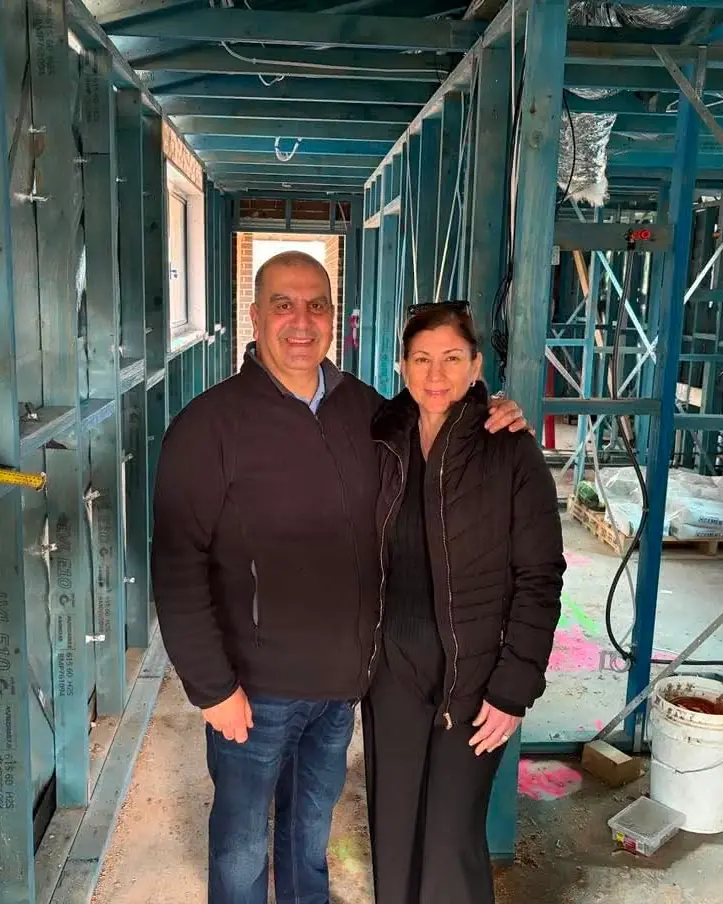
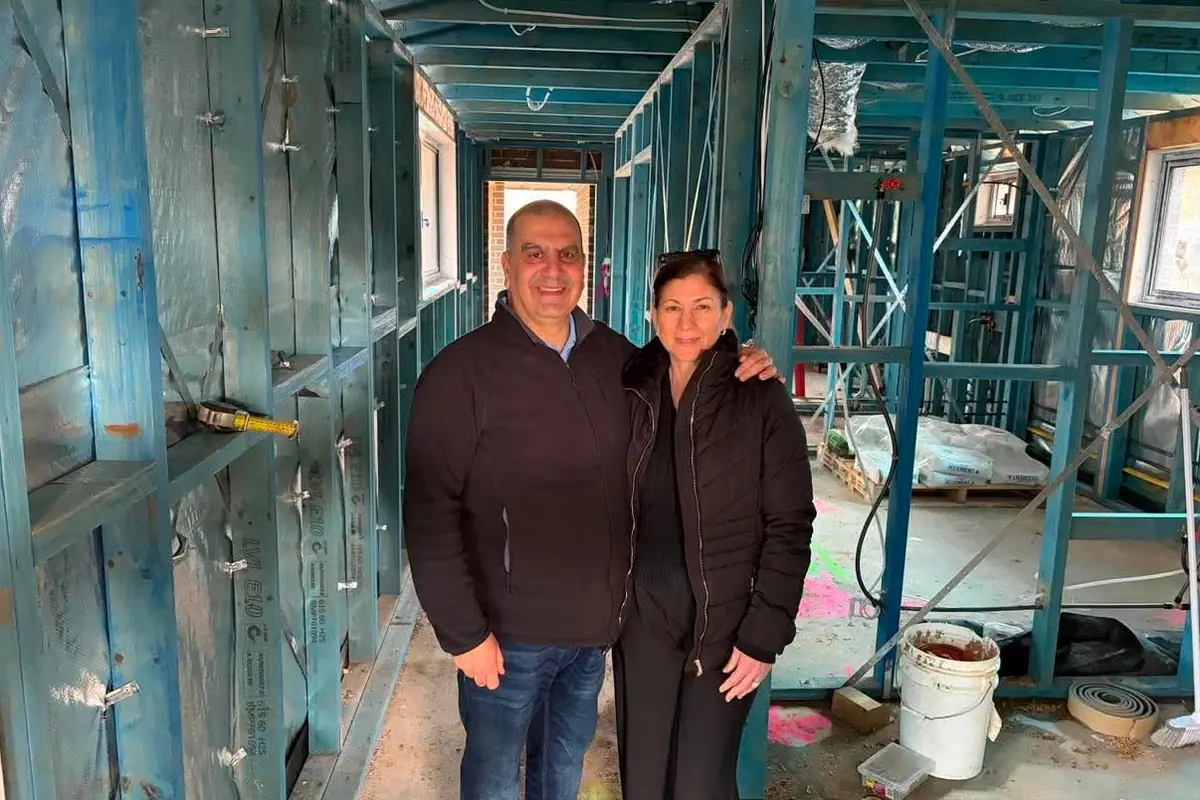
Their new home, at frame stage. Walls next. The frame is up. -
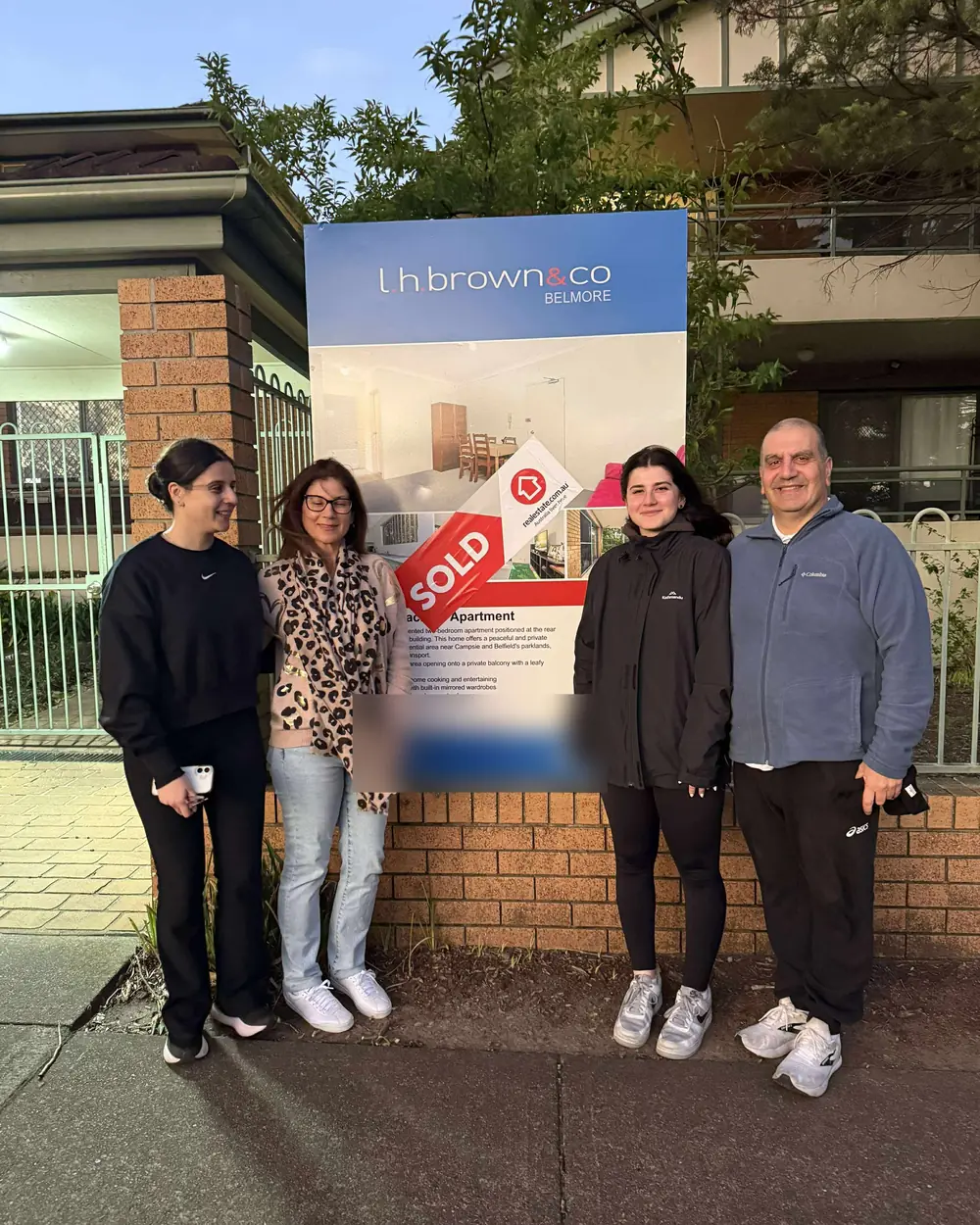
The whole family turned up. A parents’ guarantee, done properly. -
Next one
Your sold sign could be next.
A quick call and you will know your next step.
Book my free call


A huge thank you to Charlie for his exceptional support and expertise throughout the process of securing finance for my first home.
Charles and the team recently assisted us with a refinance of our investment property. Recommend Charles and the team to all
Had a great experience with Charles at Links Property Finance. He made the whole home loan process straightforward and easy to understand, kept me updated throughout and was always quick to answer any questions.
- Before the application
- Identification and income documentsThe same as any home loan. The document centre covers what applies to your employment type.
- Contract of sale or titleFor the land, whether you are buying it or already own it.
- Council or complying development approvalThe development consent or CDC. Lenders will not fund a build without approval in place.
- Stamped, approved plans and specificationsThe set the approval relates to, matching what the builder has quoted on.
- The building contract
- Fixed-price building contractSigned by both parties. Lenders strongly prefer fixed price, and progress payment schedules must align with their drawdown stages.
- Builder's licence detailsCurrent and appropriate for the work. Owner-builder arrangements face a much shorter lender list.
- Builder's home warranty insuranceRequired in NSW above a threshold value, and lenders check it before the first drawdown.
- Builder's public liability and works insuranceCertificates of currency, naming the site.
- Schedule of progress paymentsUsually slab, frame, lockup, fit-off and completion, matching the lender's drawdown stages.
- Costs the contract does not cover
- Site costs and allowancesExcavation, retaining, soil and contour conditions. These sit outside many fixed-price contracts and belong in the budget.
- Council and authority feesSection contributions, inspections and service connections.
- Variations and selectionsAnything above the base specification. This is what your contingency exists for. Why contingency sits inside the facility.
- Demolition, for a rebuildQuoted separately in most cases, and required before construction can begin.
- At each drawdown
- Builder's progress claim invoiceFor the completed stage, matching the contract schedule.
- Lender's inspection or valuationConfirming the stage is complete before funds release. This is why drawdowns take days rather than hours.
- Signed authority to release fundsYour instruction to the lender to pay the builder for that stage.
- At completion
- Occupation certificateIssued by the certifier, confirming the dwelling can be lawfully occupied.
- Final inspection and valuationThe lender confirms the completed dwelling matches the plans it funded.
- Building insurance in your nameTransitioning from the builder's works insurance to your own policy on completion.
Requirements vary by lender and by build. Owner-builder, knock-down rebuild and duplex projects add requirements. Your builder and certifier hold most of these documents.
Common questions about construction document
Do I need council approval before applying?
Generally yes. Lenders will not commit to funding a build that has not been approved, because the approval defines what is being built; talk to a broker earlier, but the formal approval is part of the application.
Does the building contract have to be fixed price?
Most lenders strongly prefer it and many require it, because a cost-plus contract gives them no certainty about the end figure. Where a cost-plus arrangement is unavoidable, the lender list narrows considerably and the terms tighten.
How long does each drawdown take?
Commonly a few business days, because the lender orders an inspection to confirm the stage is complete before releasing funds. Builders plan around this. Delays usually come from missing paperwork rather than from the inspection itself.
What if my builder is not licensed for the whole job?
That is a problem to resolve before finance rather than during construction. Lenders check the licence against the work, and home warranty insurance depends on it. It is worth verifying at quote stage rather than assuming.
Can I be an owner-builder?
Sometimes. Some lenders accept owner-builders at lower maximum loan-to-value ratios and with more documentation; many decline outright, so weigh the reduced borrowing against the savings you expect.
Have your file checked before you apply
Charles can sequence the finance around your builder's timeline so drawdowns do not hold up the site.
Prefer a callback? Charles calls back within one business day. No documents needed yet.


General information only, not credit or financial advice. Lender requirements and government scheme criteria differ and change over time; your position is confirmed in a full assessment.