


Quick repayment estimate
If things change
Principal and interest, constant rate, monthly repayments. An estimate only, not credit advice or an offer.
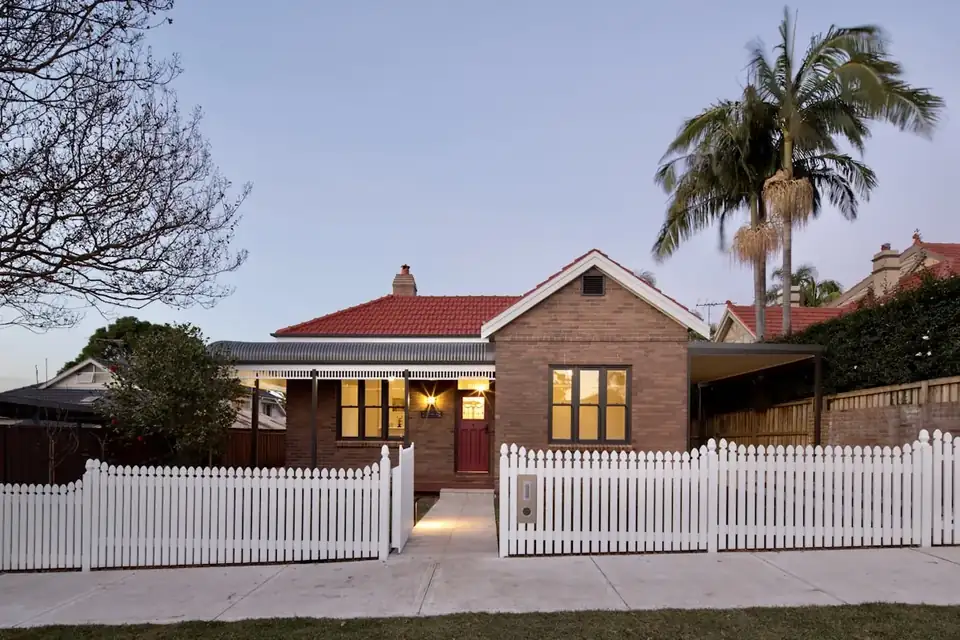
Punchbowl is mainly residential, with more than half its homes separate houses and a busy local shopping strip along The Boulevarde and Punchbowl Road.
A commercial loan is assessed on the business and the property, usually at a lower loan-to-value ratio, often 60 to 70 per cent. Owner-occupiers buying their premises show the business’s financials; the term and pricing are negotiated rather than advertised.

Punchbowl sits close to the NSW mix: 56.7% houses, 23.4% apartments and 39.0% rented, so most lenders treat an address here as standard.
Separate housesTownhouses and semisApartments
apartments NSW 21.7%
separate houses NSW 65.6%
terraces and semis NSW 11.7%
rented NSW 32.6%
with a mortgage NSW 32.5%
private dwellings
Source: ABS Census 2021, Suburbs and Localities (SAL13286).

Quick repayment estimate
If things change
Principal and interest, constant rate, monthly repayments. An estimate only, not credit advice or an offer.

Confirm your numbers.
I found Charles and Links Property Finance very prompt and professional to deal with. Made it all so easy.
Highly recommend Charles! Professional, knowledgeable and very easy to work with. He helped us navigate the home loan process and found a great solution that suited our needs. Excellent service from start to finish.
Charles and the team recently assisted us with a refinance of our investment property. Recommend Charles and the team to all
A commercial property loan is assessed differently from a home loan. Lenders usually lend a lower share of the value, look at the business’s financial statements and tax returns, and consider the property’s zoning, condition and how easily it could be leased to someone else. Terms, fees and reviews differ too.
Because the deposit is usually larger, some owners use equity in their home as additional security. That can work well, but it puts the home at risk if the business struggles.
How you own the premises, and questions such as GST, are for your accountant before you commit. Commercial property loans in detail


Punchbowl lies about seventeen kilometres south-west of the city by its official measure, in the City of Canterbury-Bankstown, and shares postcode 2196 with Roselands. Its shopping centre runs along The Boulevarde and Punchbowl Road.
It thrived until Roselands and Bankstown Square opened in the late 1960s, and was divided when Punchbowl Road was upgraded in the 1970s. Its Lebanese sweet shops are well known, and culinary walking tours of the suburb often book out well ahead.
The name comes from a circular valley called the punchbowl, which lies in nearby Belfield where Coronation Parade, Georges River Road and Punchbowl Road meet, and which gave its name to Punch Bowl Road.
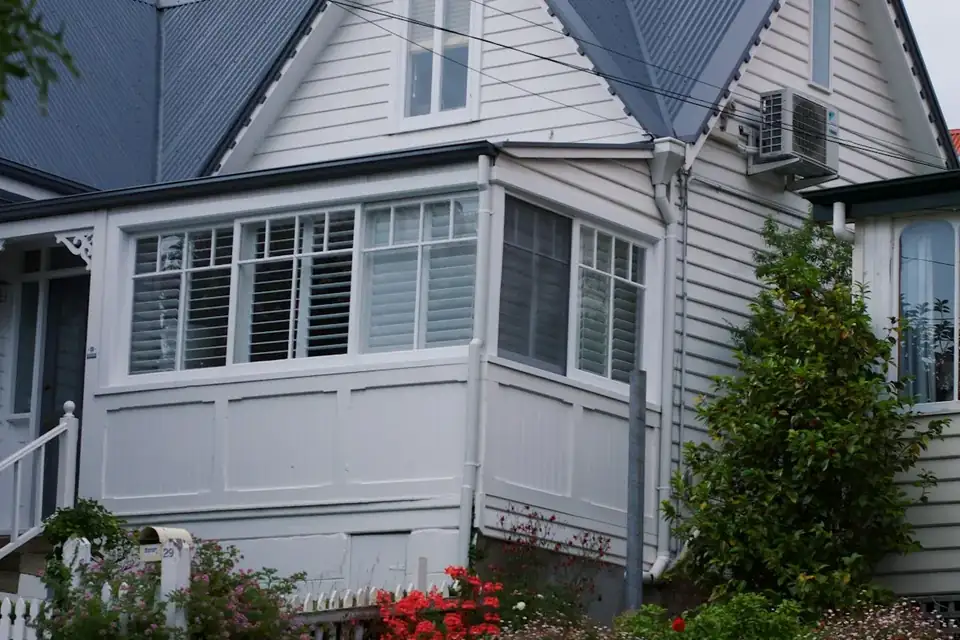
In the 1830s an inn near Liverpool Road was called the Punch and Bowl. Much of the suburb was developed in the late nineteenth and early twentieth centuries, and it has a mix of Federation, art deco and contemporary homes, with flats and townhouses added more recently.
When a Punchbowl business owner is looking at premises, Links compares a panel that includes Westpac, ANZ, Macquarie, ING and Resimac.
Example scenario (illustrative, not a real client): a Punchbowl business owner has rented a shop for years and is offered the chance to buy it.
Before agreeing, they gather two years of business financials, ask their accountant about the ownership structure and GST, and compare a commercial loan on its own against one that also uses equity in their home.
Commercial loans generally lend a smaller share of the property’s value than home loans, so the deposit is larger. They can have shorter terms, different fees and periodic reviews, and the rate may be set differently.
The lender assesses the business’s ability to repay, usually from financial statements and tax returns, as well as the property itself. Commercial property loans.

Mixed-use properties, such as a shop with a residence above, sit between home and commercial lending. Some lenders treat them as residential if the living area is large enough, and others as commercial.
The zoning, title and layout all affect which way a lender treats the property. Mixed-use property loans.
Equity in your home can provide additional security, reducing the cash needed for a commercial purchase. The home is then at risk if the commercial loan is not repaid.
Understanding that trade-off, and getting independent advice, matters before you link the two. Using equity to buy.
Three kinds of premises, and what each means for the loan.
The groundwork a commercial lender expects.
No. Commercial loans usually lend a smaller share of the value, can have shorter terms and reviews, and are assessed on the business as well as the property.
Commonly 20 to 35 per cent of the price plus costs, more than for a home loan, because lenders lend a smaller share of the value; the lender, the property and the business decide where you land.
Often, yes, by offering it as additional security. That reduces the cash needed, but puts your home at risk if the commercial loan is not repaid.
Ask your accountant first: the structure affects tax, GST and asset protection. Lenders can work with most common structures.
It can, depending on the sale and the parties. Your accountant and conveyancer can advise before you sign.
As mixed use. Some lenders treat it as residential if the living area is large enough, and others as commercial. Zoning and layout decide which.
Bring your Punchbowl plans to a free 30-minute call: your borrowing range, the lenders that fit the property and your next step.
Prefer a callback?
Charles calls back within one business day. No documents needed yet.

General information only, not credit or financial advice. Lender policies and government scheme criteria differ and change over time. All lending is subject to individual assessment and approval.