

Quick repayment estimate
If things change
Principal and interest, constant rate, monthly repayments. An estimate only, not credit advice or an offer.
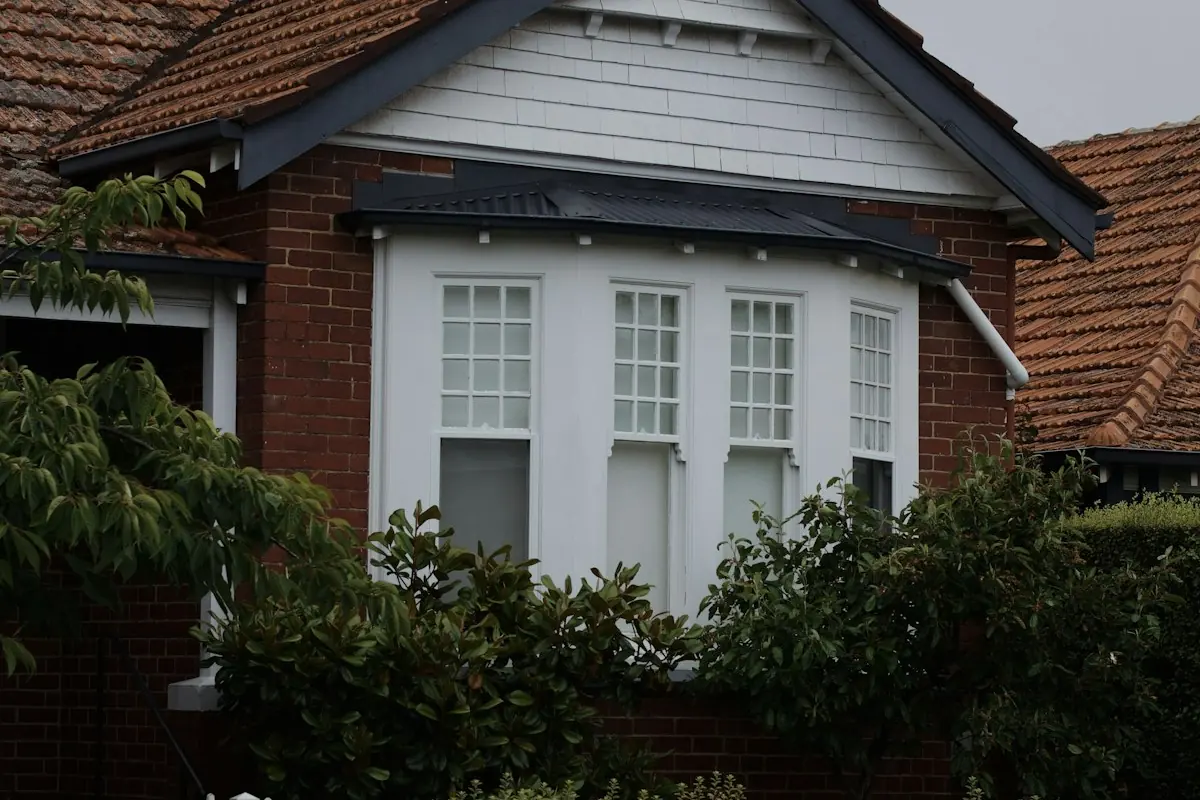
Development finance funds the land and construction of a project built to sell or keep, and lenders size it on the project’s costs and end value rather than on your income alone.
Lenders size a development loan on loan to cost: the share of the total project cost, including land, construction, fees and interest, that they will fund, tested against the value of the finished dwellings.
They also want approvals in place, your contribution and, on larger projects, presales and some experience.
Part of the construction loans guide.


The next sold sign could be yours.
A free 30-minute call shows where you stand.
Book my free callQuick repayment estimate
If things change
Principal and interest, constant rate, monthly repayments. An estimate only, not credit advice or an offer.

Confirm your numbers.
I honestly couldn’t recommend Links Property Finance and Charles highly enough. After speaking with others who weren’t able to help me, Charles went above and beyond to understand my situation…
Charles went above and beyond to help us secure our home loan. He worked hard to find the best option for us and kept us updated throughout the whole process. His knowledge of the lending market was impressive and he made everything straightforward.
Had a great experience with Charles at Links Property Finance. He made the whole home loan process straightforward and easy to understand, kept me updated throughout and was always quick to answer any questions.


Many lenders will fund a duplex or a small number of dwellings under their residential construction policy, especially if you will live in one or keep them, with progress payments as the build reaches each stage. Where that line sits differs from lender to lender.
Above a certain number of dwellings, or where everything will be sold, the loan usually becomes commercial development finance, with lower lending ratios, higher pricing and requirements such as presales and an independent monitor. See duplex and dual occupancy finance.
Development loans are drawn progressively, and interest is charged only on what has been drawn. Delays cost money, because every extra month of building or marketing adds interest.
On larger projects the interest is often capitalised, which means it is added to the loan and repaid from the sales, so the lender includes an interest allowance in the project budget.
The development loan is repaid from sales, or refinanced to investment or home loans for any dwellings you keep. If sales are slower than planned, some lenders offer residual stock loans that give more time to sell completed dwellings.
Plan for both outcomes before construction starts.
More than for a home loan: lenders fund only part of the total project cost, and your land, cash or other equity covers the rest. The share depends on the lender, the size of the project and your experience.
For a duplex or a small project, often yes, particularly with a reputable builder on a fixed-price contract. For larger projects, lenders usually want a track record, or an experienced project manager on your team, and may lend less without one.
Not always. Small projects funded under residential policy generally do not. Larger commercial development loans often require a share of the dwellings to be presold, though some non-bank and private lenders fund projects with fewer or no presales at a higher cost.
Yes. Many owners build, then refinance both dwellings once they are complete, on separate titles where subdivision is approved. The lender checks that your income and the rent support the ongoing debt.
An independent report on the construction costs and, during the build, on progress, so the lender only pays for work that has been done. Lenders commonly require one on larger projects, and its cost belongs in the project budget.
Building one home rather than several? Our guide to construction loans covers progress payments for a single build.
Charles can look at your site, plans and costings and say whether the project fits residential construction lending or needs development finance, before you commit to a builder.
Prefer a callback?
Charles calls back within one business day. No documents needed yet.

General information only, not credit, tax, planning or legal advice. Development lending policies, presale requirements and lending ratios vary between lenders and change over time. Planning approvals depend on the site and the council.