
Desktop Valuations: What They Are and When Lenders Use One
A desktop valuation values a property without an inspection. When lenders use one, what it can miss, how a low figure changes a refinance and what you can do.
 Charles Touma
Last updated:
5 min read
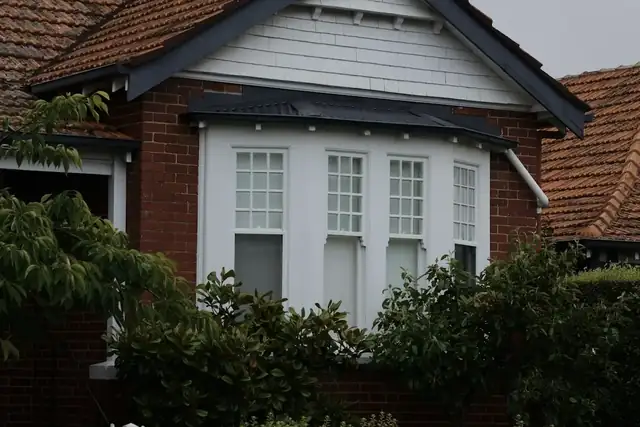
A desktop valuation is a valuer’s estimate of what a property is worth, made without visiting it. The valuer works from recent sales nearby, the property’s records and their knowledge of the area. Lenders use desktop valuations mostly for refinances and lower-risk loans because they are quick and cheap. Because nobody walks through the home, renovations and condition can be missed, so the figure can come in lower than you expect. If it does, you can ask for an inspection, send evidence, or have another lender value the property.
| Usually in the valuer’s data | Easy to miss without an inspection |
|---|---|
| Recent sales of similar homes nearby | A new kitchen, bathroom or extension |
| Land size, zoning and the title | Work done since the last sale or listing |
| Bedrooms, bathrooms and parking from past listings | Condition, inside and out |
| Price trends in the suburb | Views, aspect and features that set a home apart |
How common are desktop valuations?
Very common for refinances. In September 2023 CoreLogic (now Cotality) reported that desktop valuations had risen from 12% to 21% of the valuations processed through its platform since 2019, with automated valuation models, which involve no valuer at all, at 28%. Refinances made up 76% of all valuation requests. So if you are refinancing and nobody has asked to see inside, that is normal.
When does a lender use one instead of a full valuation?
Each lender sets its own rules, but the pattern is consistent: the lower the risk, the lighter the valuation.
- Desktop or automated is more likely for a refinance or top-up well under 80% of the value, on a standard house or unit in a suburb with plenty of recent sales.
- A full valuation, inside and out, is more likely when you borrow more than 80% of the value, build or buy off the plan, buy a large, rural or unusual property, use a low doc loan, or the area has few comparable sales.
What a lower figure does to a refinance
| Item | Value you expected | Desktop valuation |
|---|---|---|
| Property value | $1,000,000 | $920,000 |
| Current loan | $760,000 | $760,000 |
| Loan-to-value ratio | 76.0% | 82.6% |
| Cash out available to 80% | $40,000 | None: the loan is already $24,000 over 80% |
An $80,000 gap in the valuation turns $40,000 of usable equity into none, and pushes the loan above 80%, where most lenders add mortgage insurance. The guides to LVR, what LMI costs and cash-out refinancing show how each figure is worked out.
What can you do if the desktop valuation is low?
- Ask for a full valuation. Lenders will often order an inspection when there is a reason, such as a renovation the records do not show.
- Send evidence. Recent sales of similar homes nearby, renovation invoices and approvals, and photos give the valuer something to work with. A review does not always change the figure.
- Try another lender. Lenders use different valuation firms and methods, so the same home can be valued differently. Where a lender allows it, a broker can request a valuation before a full application, so you see the figure before you commit.
- Change the loan. A smaller cash out, or keeping the loan under 80% of the lower figure, avoids mortgage insurance.
- Wait for sales. If recent sales nearby are few or old, new ones can support a higher figure later.
A valuation you pay for yourself is useful evidence, but lenders rely on valuers they appoint, so it rarely replaces theirs.
Do lenders use desktop valuations when you buy?
Sometimes, mostly when the deposit is large and the property is typical for the area. For most purchases with a smaller deposit the lender sends a valuer. If the figure comes in under the price, the steps are different because a contract is in play; see bank valuation lower than the purchase price.
Questions people ask
What happens if the valuation is lower than the price?
The lender lends against the lower figure, so you cover the gap with more deposit or accept mortgage insurance on a higher ratio. You can ask the lender to review the valuation with recent sales, try another lender’s valuer, or renegotiate if the contract is still subject to finance.
Is a desktop valuation accurate?
Usually close for a typical home in a suburb with plenty of similar sales, and less reliable for renovated or unusual homes, or where sales are sparse.
Can I see the valuation report?
The valuation is prepared for the lender. Many lenders will tell you the figure; whether you receive the full report depends on the lender.
How long does a valuation last?
Lenders commonly treat a valuation as current for about three months, some for longer. After that they may value the property again.
Do I pay for a desktop valuation?
On most standard home loans the lender arranges the valuation, and many do not charge for it. Check the lender’s fee schedule, as construction and specialist loans often carry a valuation fee.
Charles Touma checks how lenders are likely to value your property before you apply and, where a lender allows it, requests a valuation first, so a refinance or equity release is planned on a realistic figure. A free 30-minute call covers the property, the loan and the equity you want to use. General information only, not credit advice; each lender sets its own valuation policy. See also refinancing and the equity calculator.
Sources: Cotality (CoreLogic), digital valuations surge, September 2023; Moneysmart, switching home loans, checked 20 October 2026.
General information only, not credit, legal or tax advice. Your situation is assessed properly before any recommendation. Government scheme details change; figures are current at the time of writing.
Keep reading

How Much Does It Cost to Refinance a Home Loan in NSW?
The fees to refinance in NSW: discharge, government registration at $182.73 each, new-lender fees, break costs and LMI, with a worked total and break-even.

When the Valuation Comes In Low

How Long Does Refinancing Take? A Step-by-Step Timeline
Talk it through with Charles
A free 30-minute call: your borrowing power, deposit options and the next step.