The lack of a station shapes who buys in Camden more than it shapes lender policy.
Valuers lean on local sales, and each Camden property type has its own comparables: a character house near Argyle Street, an estate home at the edge of town and an acreage block are not interchangeable evidence.
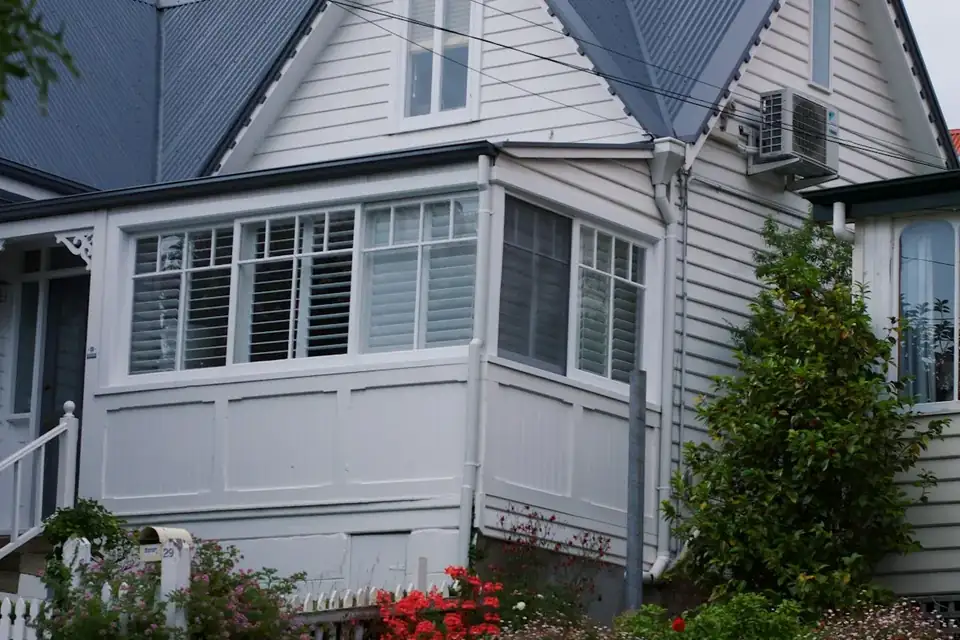
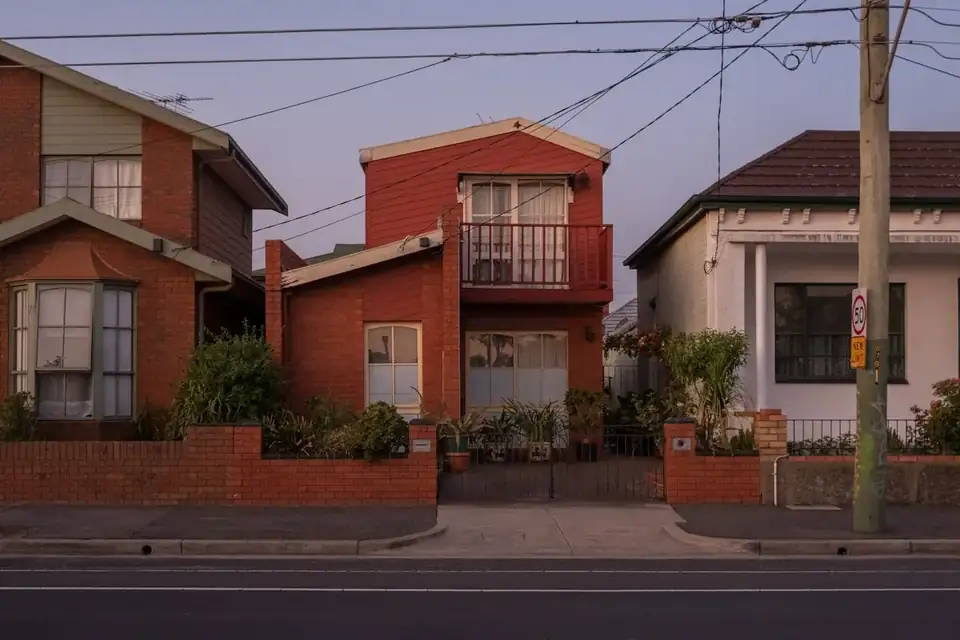
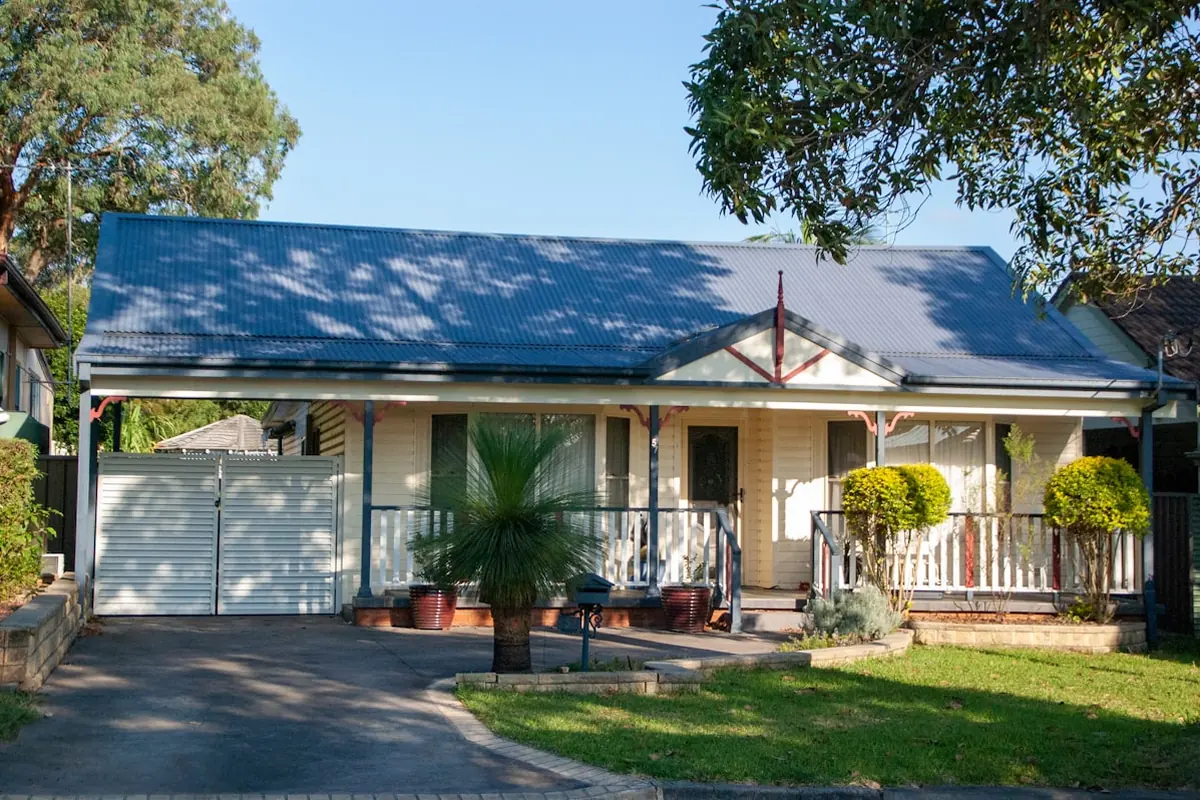
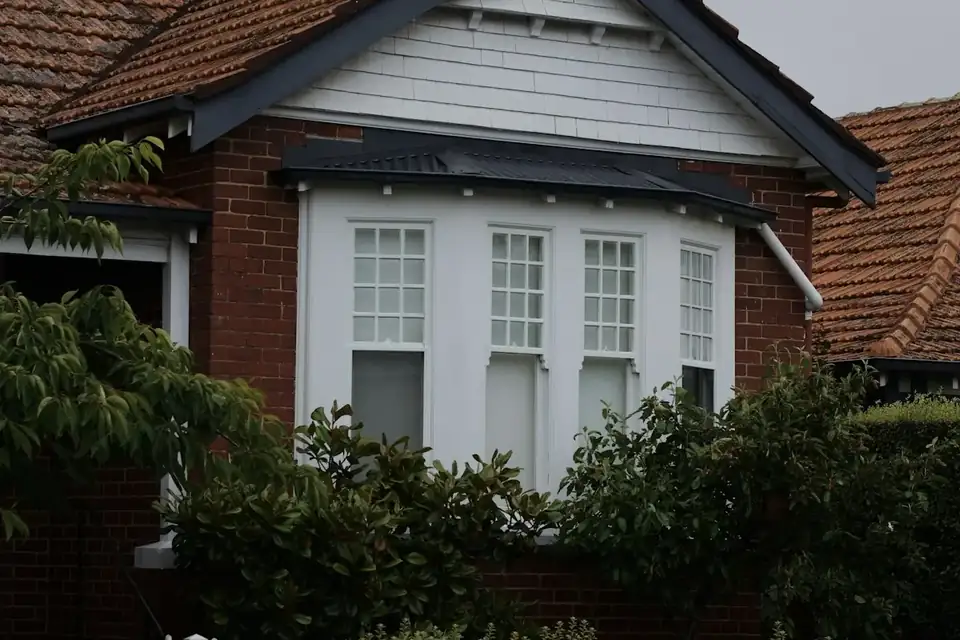
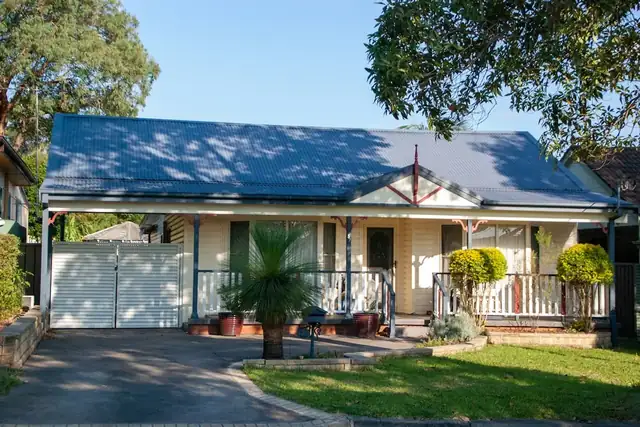
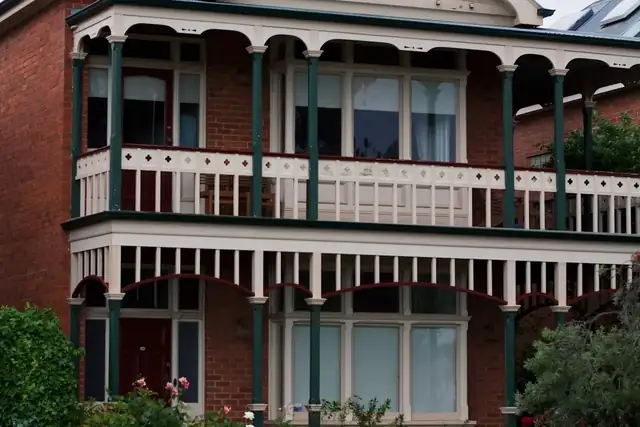
Most homes are separate houses, with some townhouses and semis and a small share of apartments. Around Argyle Street and the St John’s Church precinct, character homes bring building reports and sometimes heritage controls into the file.
Towards the Nepean River and on the rural edges, land size and zoning can move a property from standard residential to rural-residential in a lender’s eyes, and low-lying land can raise flood questions for valuers and insurers.
Land-size rules differ between lenders, so a Camden block is weighed against the settings of lenders such as ANZ, Westpac, Macquarie, ING and Resimac before an offer is made.
Example scenario (illustrative, not a real client): a family moving from Campbelltown want an older weatherboard house on a larger block on the river side of town. The land is bigger than a standard suburban lot, and part of it sits on low ground.
Lenders differ on the land size they treat as residential and on how a valuer’s flood comments affect the loan, so checking policy before an offer narrows the field to lenders that may consider this block with the deposit the family has.