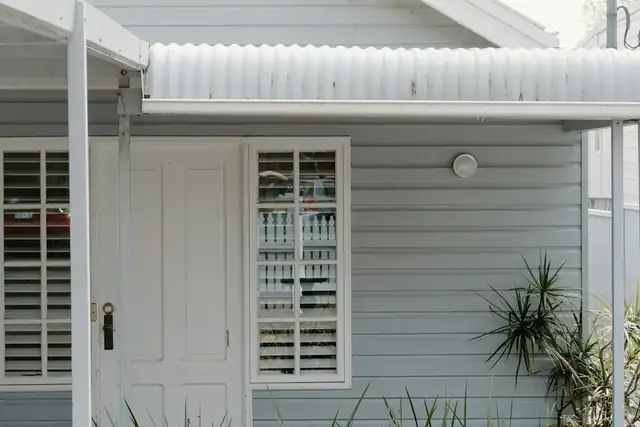






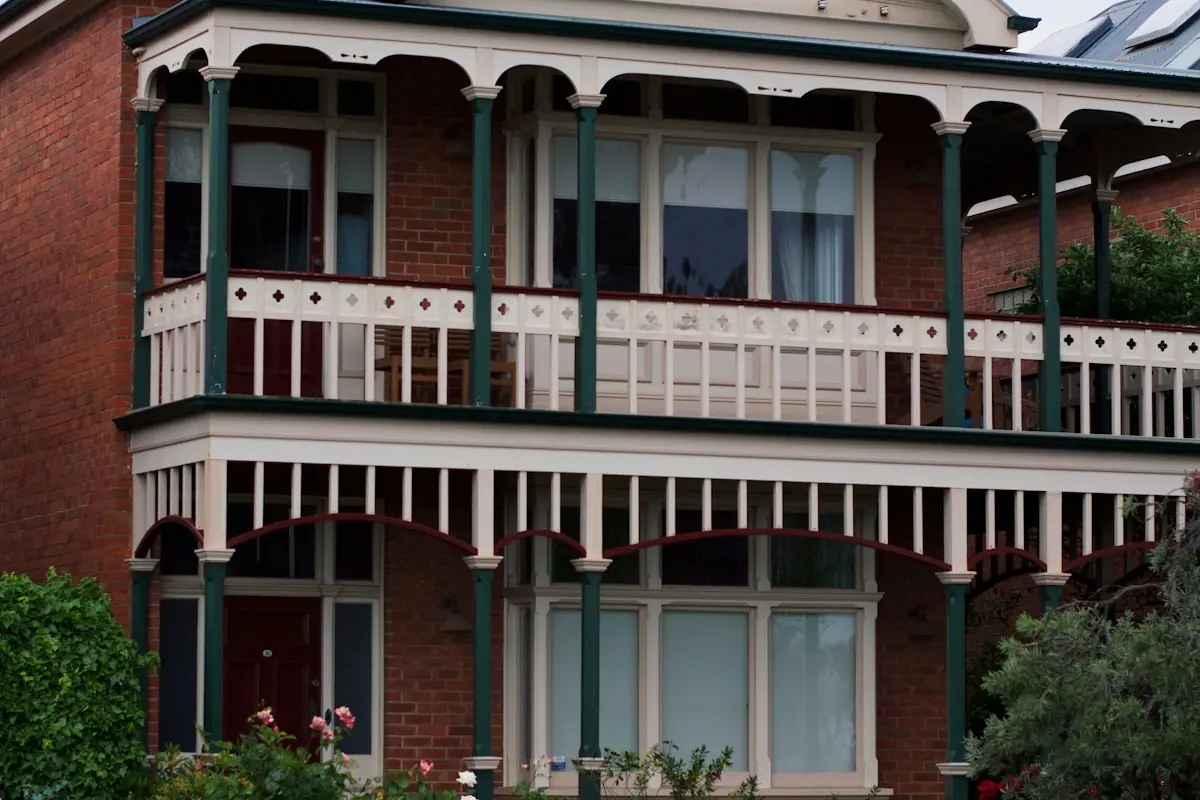

Chiswick wharf and the bayside blocks
Chiswick has no railway station. Its own public transport link is the ferry: Chiswick wharf, close to the small group of shops on Blackwall Point Road, is served by Parramatta River ferry services, and buses run from the suburb towards the city.
The wharf and the river setting are part of what draws tenants and owner occupiers to Chiswick units, but a valuer still works from recent sales, and in a suburb this small there are not many of them. A few trades in one complex can shape the next valuation there.
- Most Chiswick homes are apartments, from older walk-up blocks to larger complexes built in more recent decades, with only a small number of houses.
- For a Chiswick unit, Links sets the building’s size, levies and records against a panel covering ANZ, Westpac, Macquarie, ING and Resimac, before applying.
Read the full detail
Most Chiswick homes are apartments, from older walk-up blocks to larger complexes built in more recent decades, with only a small number of houses. That makes the strata records central to almost every loan.
The levy notice enters serviceability, the sinking fund and defect history shape how the building is read, and in a larger complex the number of units can bring lender exposure limits into play. Units with a water outlook can also be valued quite differently from others in the same block.
For a Chiswick unit, Links sets the building’s size, levies and records against a panel covering ANZ, Westpac, Macquarie, ING and Resimac, before applying.
Example scenario (illustrative, not a real client): an investor is eyeing a two-bedroom unit close to Chiswick wharf in a complex where lifts and shared gardens keep the levies high, with few recent sales in the building.
The levies reduce borrowing capacity, and a cautious valuation could leave a gap to cover at settlement. Comparing how lenders count rent and levies, and allowing for a conservative valuation before exchange, keeps the purchase within what the numbers support.