
Links Property Finance · Home loans for first home buyers: First Home Buyer Learning Centre
Thirteen steps from the first question to the keys.


Buying your first home: where do you start?
With your borrowing power and deposit, before you look at homes. The learning centre arranges the site’s guides, calculators and checklists into thirteen steps, from what you can afford through pre-approval, offers and exchange to settlement day.
Read more
Work through it in order or jump to the step you are at.
Part of the first home buyer loans guide.

Recent Links clients, including first home buyers
-
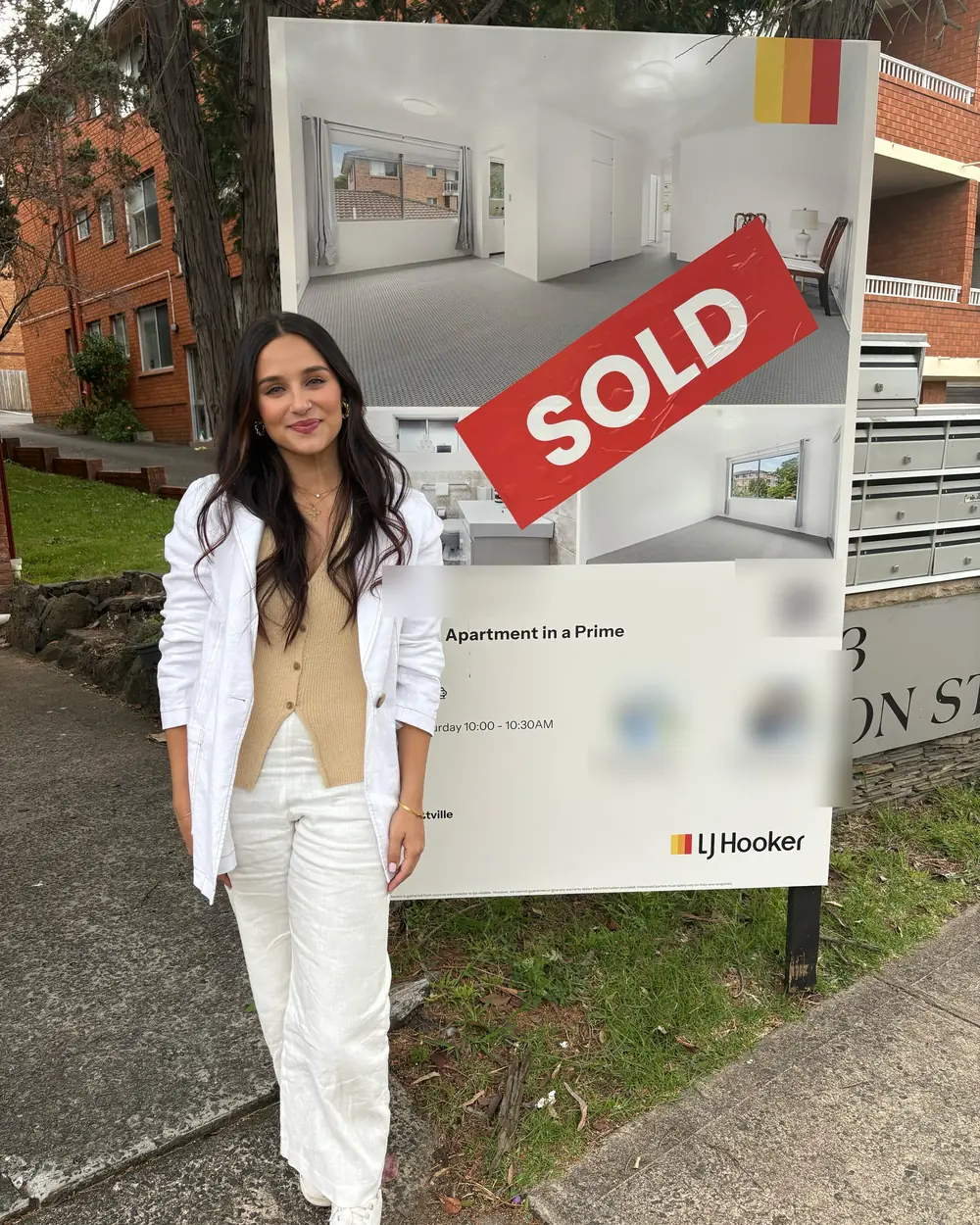
Sold. Her first home. Deposit, scheme and lender, sorted. -
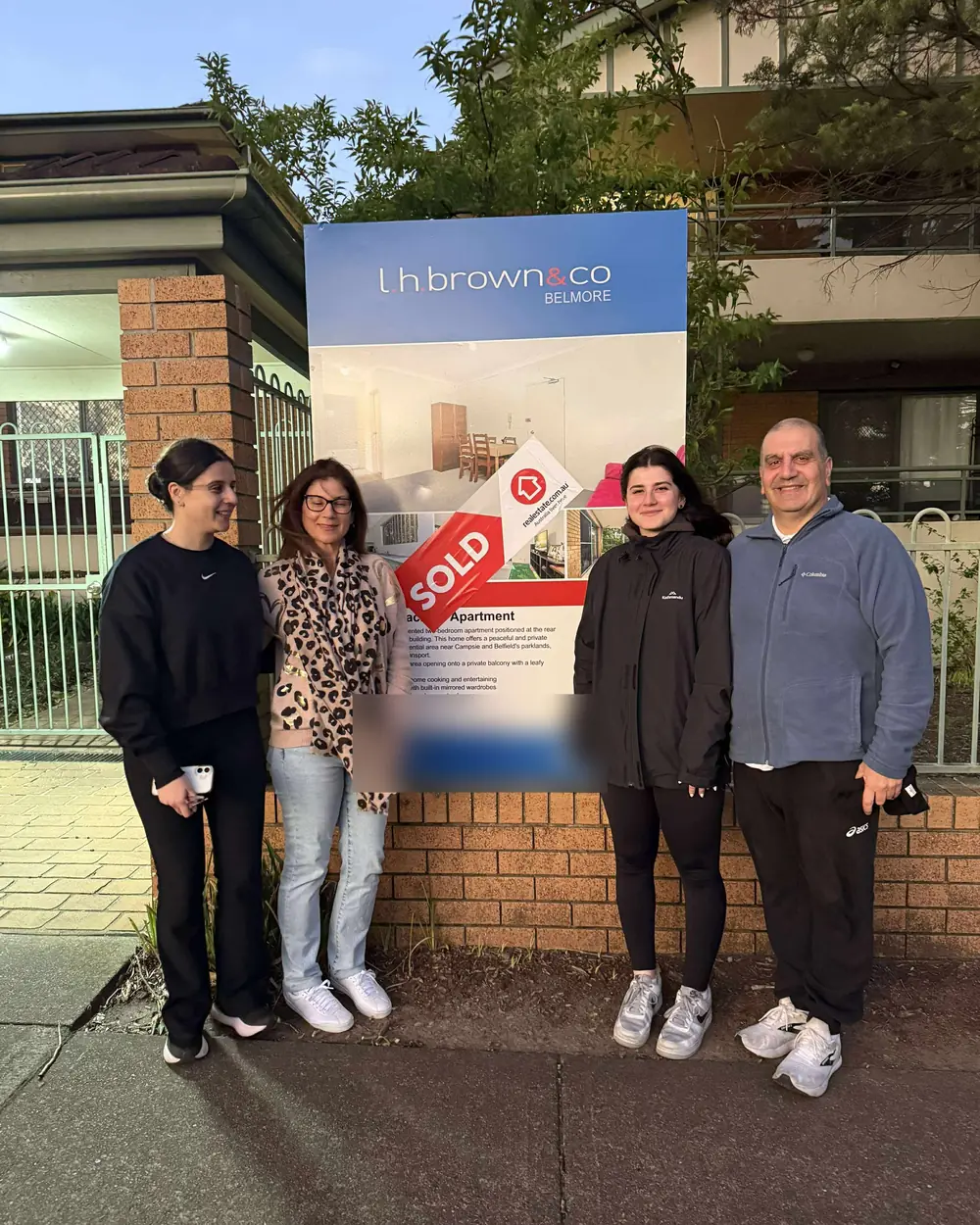
The whole family turned up. A parents’ guarantee, done properly. -
Next one
Yours could be the next one.
One short call tells you what you can borrow and what to do first.
Book my free call


What could a 5% deposit get you?
What could a 5% deposit get you?
No LMI: an estimated $22,800 premium avoided (a broad guide; real premiums vary by lender and loan).
Stamp duty: $0 for eligible NSW first home buyers (saves $30,187).
Indicative only. The deposit excludes stamp duty, legal and inspection costs, and a participating lender, not this calculator, confirms 5% Deposit Scheme eligibility.
Confirm your numbers.
Charles at Links Property Finance made buying our first home so much easier than we expected. As first home buyers, we had a lot of questions around borrowing capacity, our deposit and the different government schemes available to us. Charles explained everything clearly, compared different lenders and kept us updated throughout the whole process. He was always easy to reach and made sure we understood what was happening from pre approval right through to getting our home loan approved. We would definitely recommend Links Property Finance to anyone looking for a mortgage broker, especially first home buyers who want someone to guide them through the process.
Charles went above and beyond to help us secure our home loan. He worked hard to find the best option for us and kept us updated throughout the whole process. His knowledge of the lending market was impressive and he made everything straightforward.
I found Charles and Links Property Finance very prompt and professional to deal with. Made it all so easy.
Before you look
Four questions that set your price range and therefore everything else.
- Stage one: what is possible
- 1. How much can I afford?Start with the arithmetic rather than the listings. Borrowing power calculator for the range, then a real assessment for a number you can offer on.
- 2. How much deposit do I need?Five, ten or twenty per cent all change the loan and the insurance. Deposit calculator, and genuine savings if yours arrived as a lump sum.
- 3. What government support applies to me?Four schemes, different bodies, criteria that do not line up. Every NSW scheme in one place.
- 4. What will the whole thing cost?Duty, legals, inspections and moving all land within weeks. Full cost of buying, then what owning it costs after.
- Stage two: getting finance ready
- 5. How do lenders decide what I can borrow?Assessment rates, expense floors and how your income is read. How lenders read your income, and what moves the number.
- 6. Getting pre-approvalVerified, not an online estimate. The checklist and how pre-approval works.
- 7. Assembling your documentsPayslips, statements, identification and the deposit trail. Document centre, plus the gift letter template if family is helping.
- Stage three: finding and buying
- 8. Finding a property that financesStudios under 50sqm, company title and off-the-plan all carry lender restrictions. Small apartments, company title, off the plan.
- 9. Making an offerWhat to ask before you commit, and how to set a ceiling calmly. Questions before making an offer.

- 10. Bidding at auctionUnconditional means the finance must be settled first. Pre-approval and a worked auction scenario.
- Stage four: contract to keys
- 11. Contract and valuationWhere a low valuation becomes your problem, and what to do about it. When a valuation lands low.
- 12. Formal approval and loan documentsConditions, verification and keeping your finances steady until settlement. The full checklist.
- 13. Settlement, and the month afterFirst repayment, insurance, offset setup and the review rhythm. What happens after settlement.
Nothing here is gated and there is no sign-up. If you would rather have the whole thing as a document, the free First Home Buyer Guide covers the same ground as a PDF.
Everything referenced above
Download the free First Home Buyer Guide
A free guide to the deposit, the schemes, the costs and the steps between offer and keys.

Free · No obligation
Send me the guide
Your details stay private. No spam, unsubscribe any time. Privacy Policy
First home buyer questions
Where should a first home buyer start?
With your borrowing position, not with listings. Knowing the realistic price range, the deposit you need at that price and the cash required on top changes which suburbs and property types are worth looking at.
Looking first and financing second is how people fall in love with something they cannot fund.
How much deposit do I need in Sydney?
Often 5 per cent, if you qualify for the 5% Deposit Scheme. Twenty per cent avoids lenders mortgage insurance without a scheme, and a guarantor can remove the deposit gap entirely.
The right answer depends on your income, the property and which of the government schemes you qualify for.
Is pre-approval worth getting before I look?
Yes: it gives you a defensible price ceiling and makes an offer credible. It is a lender’s conditional view, not a guarantee, and it expires, so timing it well matters more than getting it early.
Do I pay anything to use a broker?
Not for standard home loans at Links. Brokers are paid by the lender when a loan settles, and the amount is set out in writing for you before your application goes in.
How long does the whole process take?
Commonly two to four months from pre-approval to keys. The part you control is the documents: applications that stall usually stall on paperwork.
Still have a question? Our first home buyer FAQ brings the most common ones together in one place.


Get advice on first home buyer learning centre
Thirty minutes with Charles usually resolves whichever step you are on. Free, no credit check, no obligation.
Prefer a callback? Charles calls back within one business day. No documents needed yet.

General information only, not credit or financial advice. Government scheme criteria and lender policies differ and change over time; your eligibility and position are confirmed in a full assessment.